
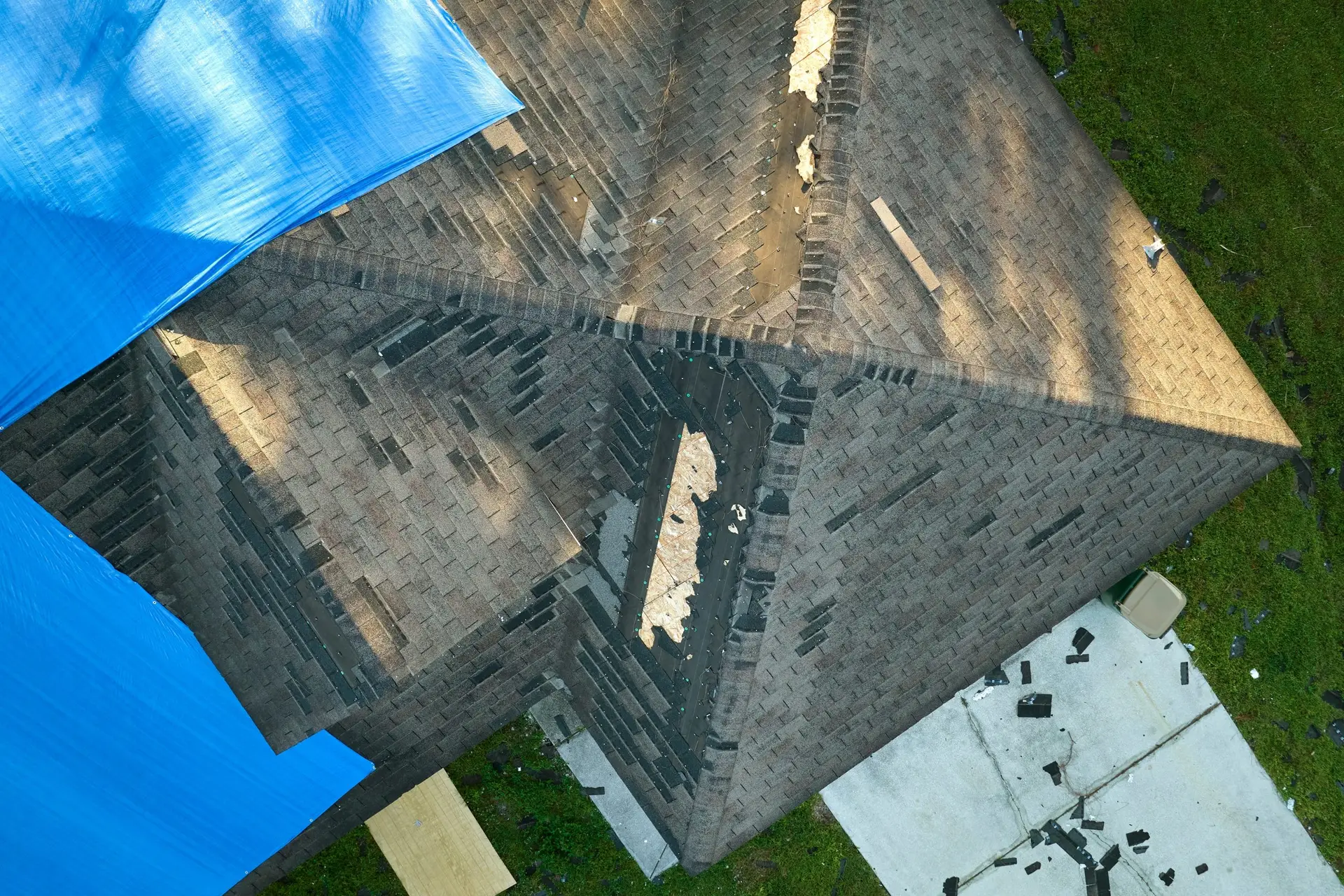
We see it every summer in Alberta. The sky turns a dark shade of green, the wind picks up, and suddenly, golf-ball-sized ice starts raining down on our homes. Calgary has earned its spot in “Hail Alley” for a reason. Over the last decade, the frequency and severity of these storms have shifted how we think about home maintenance. Our team at YYC Asbestos Removal & Renovation has watched as traditional building materials struggle to keep up with these changing weather patterns. Protecting your property is no longer just about having a roof over your head; it is about choosing materials that can withstand the brutal force of nature.
The Evolution of Hail Storms in Calgary
In the past, a major hail event felt like a once-in-a-decade occurrence. Today, we expect at least one significant storm every single year. These storms are not just becoming more frequent; they are becoming more expensive. Statistics show that Alberta leads the country in insured losses due to hail damage. When these storms hit, they do not just dent cars. They shatter siding, crack shingles, and compromise the structural integrity of residential buildings.
Because of this trend, the construction industry has pivoted. We now see a massive shift toward impact-resistant materials. These are products specifically engineered to bounce back from heavy hits. At YYC Asbestos Removal & Renovation, we believe that understanding these trends is the first step in making a smart investment for your home. By upgrading now, you avoid the headache of emergency repairs during the peak of storm season.
Why Standard Shingles No Longer Cut It
Most older homes in Calgary use standard organic or fiberglass asphalt shingles. While these are affordable, they often become brittle over time. When a hailstone hits a brittle shingle, it knocks the protective granules loose or cracks the matting underneath. This damage is often invisible from the ground, but it leads to leaks and rot within just a few months.
Impact-resistant (IR) shingles are rated on a scale from Class 1 to Class 4. A Class 4 rating is the gold standard for Calgary homes. These shingles undergo rigorous testing where steel balls are dropped on them to simulate hail. They are designed to remain intact even under extreme pressure. When our professional technicians perform a roofing inspection after a storm, the difference between standard and IR shingles is night and day. Homeowners who have made the switch often find that their roofs look brand new even after a heavy storm.
The Hidden Connection Between Water Damage and Mold
Hail damage often goes beyond the surface. When shingles or siding fail, water finds its way into your attic and walls. Because hail storms are usually followed by warm, humid weather, this creates the perfect breeding ground for fungi. You might not notice a small leak immediately, but moisture trapped behind your walls can lead to serious health concerns for your family.
If you suspect that a recent storm has allowed water to enter your home, it is vital to act fast. Our experts recommend professional mold testing to ensure that your indoor air quality remains safe. Prevention is always cheaper than remediation. By upgrading to impact-resistant siding and roofing, you create a much stronger seal against the elements, significantly reducing the risk of moisture-related issues down the road.
Modern Siding Upgrades for Maximum Protection
Vinyl siding was the standard for many years, but it often shatters like glass when hit by large hail. This leaves your home’s plywood sheathing exposed to the rain. Modern alternatives like fibre cement or specially treated metal siding offer much better protection. Fibre cement is particularly popular because it is durable, fire-resistant, and can mimic the look of wood.
When we work on renovations at YYC Asbestos Removal & Renovation, we often suggest these upgrades to provide long-term peace of mind. Not only do these materials hold up better against ice, but they also improve the energy efficiency of your home. A well-protected home stays cooler in the summer and warmer in the winter, saving you money on utility bills while keeping you safe from the next big storm.
Financial Benefits of Impact-Resistant Materials
Many homeowners hesitate to upgrade because of the initial cost. However, the long-term financial benefits are substantial. First, many insurance companies in Alberta offer discounts on premiums for homes with Class 4 impact-resistant roofs. Over several years, these savings can cover a large portion of the upgrade cost.
Second, the resale value of your home increases. In a market like Calgary, savvy buyers look for homes that are “hail-ready.” Knowing that the roof and siding will not need replacing after the next storm is a major selling point. Most importantly, you save on the cost of deductibles. If your home survives three storms without needing a claim, you have saved thousands of dollars in out-of-pocket insurance costs.
Choosing the Right Partner for Your Upgrades
Upgrading your home is a big decision. It requires a team that understands local building codes and the specific challenges of the Alberta climate. Our professional technicians have years of experience helping homeowners navigate the aftermath of storms and prepare for the future. We take pride in offering solutions that are both functional and beautiful.
Whether you are dealing with an older home that needs a full exterior overhaul or you want to be proactive before the next summer season, we are here to help. We focus on high-quality craftsmanship and materials that last. By choosing impact-resistant upgrades, you are not just fixing a house; you are protecting your biggest investment. Our team at YYC Asbestos Removal & Renovation is ready to help you build a more resilient home today.
Frequently Asked Questions
What is the difference between Class 3 and Class 4 shingles? Class 3 shingles can withstand a drop from a 1.75-inch steel ball, while Class 4 shingles can withstand a 2-inch steel ball. In Calgary, Class 4 is highly recommended because our hail often exceeds the size of the testing parameters for lower classes.
Will impact-resistant siding prevent all damage? While no material is completely “hail-proof” against extreme events like grapefruit-sized hail, impact-resistant siding is much less likely to crack or puncture than standard vinyl. It usually results in cosmetic dents rather than structural failure.
Does insurance cover the cost of upgrading to better materials? Standard insurance usually covers the cost to replace your roof with “like-kind and quality.” This means they pay for what you had. However, many homeowners choose to pay the difference out of pocket to upgrade to impact-resistant materials to prevent future claims.
How do I know if my current roof is impact-resistant? You can often check the underside of a spare shingle in your garage for a stamp or look at your original home purchase documents. If you are unsure, our team can perform an inspection to identify the material and its current condition.
How long do impact-resistant roofs usually last? Under normal conditions, these roofs can last 30 to 50 years. Their ability to shed UV rays and resist cracking means they age much slower than traditional organic shingles, providing better value over time.

