
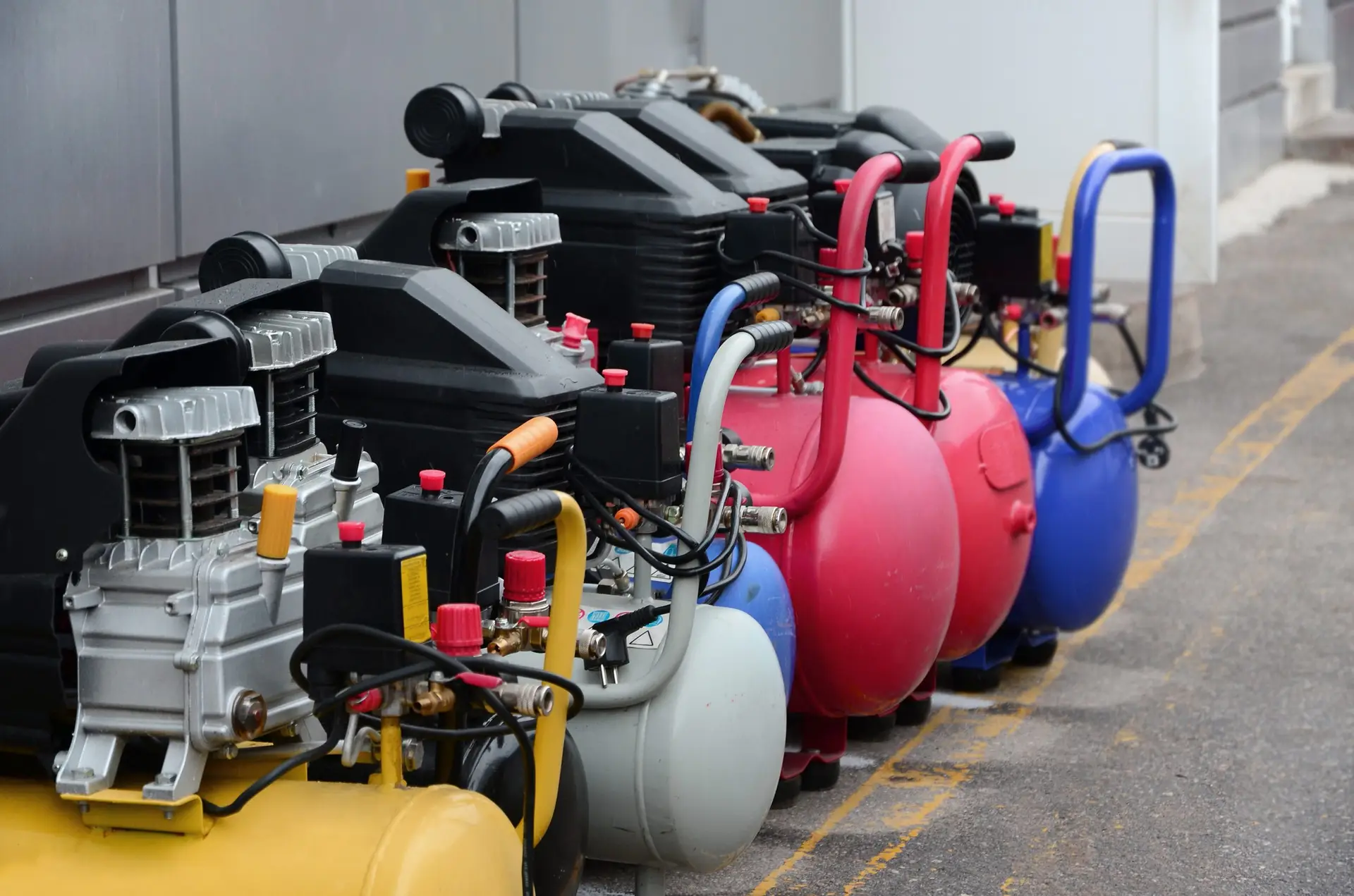
Air separation systems play an important role in many industrial environments. They help remove oil, moisture, and contaminants from compressed air so equipment can operate reliably. However, even a well-designed system can lose efficiency when certain mistakes occur during installation, maintenance, or operation.
Air Compressors Canada works with facilities that rely on clean and stable compressed air every day. In many cases, performance issues are not caused by the equipment itself but by small oversights that gradually reduce separation efficiency. Understanding these common mistakes helps businesses protect both equipment and production quality.
Poor System Sizing
One of the most common mistakes is installing a separation system that does not match the capacity of the compressed air system. When separators are too small for the airflow volume, they struggle to remove contaminants effectively.
As a result, oil and moisture can move through the system and reach tools, valves, and pneumatic equipment. This contamination may lead to corrosion, reduced performance, and frequent maintenance.
Facilities that operate multiple compressors or expand production often overlook this problem. However, reviewing system capacity and choosing the correct separation solution can prevent these issues. Properly designed compressed air systems allow separators to operate within their intended range and maintain consistent efficiency.
Ignoring Proper Installation Conditions
Air separation equipment is sensitive to installation conditions. If separators are installed incorrectly, their ability to remove contaminants can decrease significantly.
For instance, improper piping angles or poor drainage can allow moisture to accumulate inside the system. In addition, installing equipment too close to vibration sources may affect internal components and separation performance.
Another common issue occurs when airflow direction is ignored. Some separation systems require specific orientation to function correctly. If air flows through the unit improperly, the separation process becomes less effective.
Therefore, careful installation planning is essential. When systems are installed according to recommended guidelines, separators can remove contaminants consistently and protect downstream equipment.
Neglecting Regular Maintenance
Even high quality air separation equipment requires regular maintenance. Filters, drains, and internal components gradually collect contaminants and must be serviced over time.
However, many facilities postpone maintenance until problems appear. This approach often leads to reduced efficiency long before visible issues develop.
Clogged filters can restrict airflow and increase pressure drop within the system. Consequently, compressors must work harder to maintain output, which increases energy consumption. Meanwhile, separators may no longer capture oil and moisture effectively.
Routine inspection helps prevent these problems. Scheduled maintenance ensures that filters remain clean, drains operate correctly, and separation components continue functioning at their designed efficiency.
Overlooking Air Quality Requirements
Different industries require different levels of compressed air purity. For example, manufacturing facilities using pneumatic tools may tolerate small amounts of contamination. However, industries such as food processing, pharmaceuticals, or electronics require extremely clean air.
Problems occur when facilities use separation equipment that does not meet their air quality needs. In these situations, contaminants may still pass through the system even though the equipment appears to function normally.
Understanding air purity standards is essential when selecting separation solutions. Specialized air separation systems are designed to remove oil, moisture, and particulates at specific efficiency levels. Choosing the correct system ensures that compressed air meets operational and industry requirements.
Allowing Excess Moisture in the System
Moisture is one of the biggest challenges in compressed air systems. Warm compressed air naturally carries water vapor, which condenses as the air cools.
If drying and separation processes are not managed properly, water can accumulate in pipelines, filters, and storage tanks. This moisture interferes with separation performance and allows contaminants to move deeper into the system.
Furthermore, water buildup can damage valves and pneumatic tools while promoting corrosion inside piping networks. Over time, this contamination reduces overall system reliability.
Proper drainage, effective dryers, and correctly placed separators help control moisture levels. When these components work together, air separation efficiency improves significantly.
Failing to Monitor System Performance
Another common mistake involves ignoring system monitoring. Many facilities assume that once separation equipment is installed, it will continue performing without oversight.
However, compressed air systems constantly change due to production demands, environmental conditions, and equipment wear. These changes can affect separation efficiency.
Monitoring pressure drop, airflow rates, and moisture levels allows technicians to detect issues early. For instance, an increasing pressure drop across filters often indicates contamination buildup.
Regular monitoring provides valuable insight into system health. When adjustments are made promptly, separators can continue operating efficiently and protect the entire compressed air network.
FAQ
What does an air separation system do?
An air separation system removes contaminants such as oil, moisture, and particles from compressed air. This process helps protect tools, valves, and pneumatic equipment while maintaining air quality required for industrial applications.
Why does air separation efficiency decrease over time?
Efficiency may decrease due to clogged filters, poor maintenance, incorrect installation, or system changes such as increased airflow demand. Regular inspections and proper maintenance help maintain optimal performance.
How often should air separation equipment be serviced?
Service intervals depend on system usage and environmental conditions. However, most systems benefit from routine inspections and filter replacement at scheduled intervals to prevent contamination buildup.
Can moisture damage compressed air equipment?
Yes, excess moisture can cause corrosion in pipelines, damage pneumatic tools, and interfere with valves and actuators. Moisture also reduces the effectiveness of air separation components.
How can businesses improve air separation efficiency?
Facilities can improve efficiency by selecting properly sized equipment, ensuring correct installation, maintaining filters and drains, controlling moisture levels, and monitoring system performance regularly.
You can read more about our services here: Alberta Business Beat, Your Local Biz, Post Of The Day, Canada Biz Portal, The Canada Best, Calgary Best, The Daily Local.

