
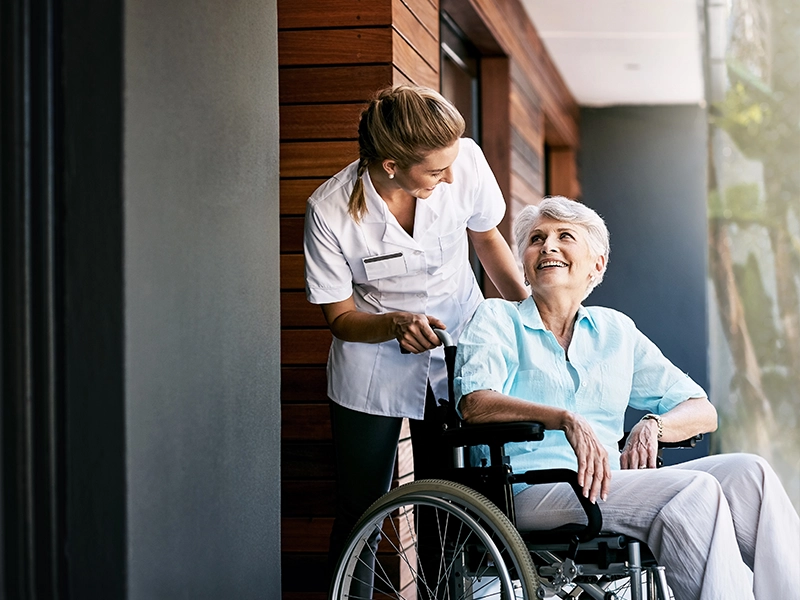
Caring for a loved one with dementia brings daily questions, emotional moments, and changing needs. Therefore, families often look for support that keeps seniors safe while preserving comfort and dignity. Dementia and memory care at home allows older adults to stay in familiar surroundings, which supports emotional stability and routine. Gena Care focuses on providing thoughtful, structured support that adapts as memory conditions progress. As a result, families feel more confident managing care without removing loved ones from their home environment.
Understanding Dementia and Memory Changes
Dementia affects memory, thinking, behavior, and the ability to perform everyday tasks. Consequently, seniors may struggle with names, schedules, or recognizing familiar spaces. These changes often appear gradually, which can confuse families at first. However, early support helps slow decline and reduces daily stress. Home-based care focuses on understanding personal habits, preferences, and routines, which helps seniors feel more secure.
Memory loss also affects emotions. Therefore, seniors may feel frustrated, anxious, or withdrawn when tasks become difficult. A calm and patient care approach supports emotional well-being and reduces agitation. In other words, memory care involves both practical help and emotional reassurance.
Why Home-Based Dementia Care Matters
Remaining at home offers stability that memory care facilities sometimes cannot match. Familiar furniture, photos, and daily routines support recognition and comfort. As a result, seniors experience fewer episodes of confusion and distress. Home care also allows families to stay closely involved in daily decisions and routines.
Moreover, one-on-one support ensures attention stays focused on the individual. Caregivers adjust communication styles, activities, and pacing based on daily needs. Consequently, seniors receive care that feels personal rather than institutional.
Personalized Dementia Care Plans
No two people experience dementia in the same way. Therefore, effective memory care begins with a personalized plan. Gena Care creates care strategies that reflect medical needs, personality, and family goals. These plans evolve over time as memory conditions change.
Daily Routine Support
Consistent routines reduce anxiety and confusion. For instance, caregivers support morning hygiene, meal schedules, and bedtime habits. As a result, seniors feel more grounded throughout the day. Simple structure also reduces resistance to care tasks.
Medication Reminders and Monitoring
Memory loss often leads to missed doses or double dosing. Therefore, caregivers manage medication schedules carefully and observe for side effects. This oversight improves safety and supports overall health management at home.
Nutrition and Meal Assistance
Dementia can affect appetite, taste, and the ability to prepare meals. Consequently, caregivers assist with meal planning, preparation, and encouragement. Balanced nutrition supports energy levels, mood, and cognitive function.
Safety-Focused Home Care
Safety becomes a growing concern as dementia progresses. Seniors may forget to turn off appliances, wander, or misjudge physical abilities. Therefore, home care includes proactive safety monitoring and guidance.
Caregivers watch for fall risks, support safe movement, and redirect unsafe behaviors calmly. In addition, they help maintain a secure environment without creating fear or restriction. This balance preserves independence while reducing risks.
Emotional Support and Companionship
Loneliness and confusion often increase with memory loss. Therefore, companionship plays a central role in dementia care. Caregivers engage seniors in conversation, familiar activities, and gentle exercises that stimulate memory.
For example, looking through photo albums, listening to familiar music, or discussing past experiences encourages connection. As a result, seniors feel valued and understood rather than isolated.
Supporting Families Through Dementia Care
Dementia affects the entire family, not just the individual. Therefore, home care also supports caregivers and loved ones. Gena Care provides guidance on communication strategies, behavior changes, and daily care routines. This support helps families feel prepared rather than overwhelmed.
In addition, respite care allows family caregivers to rest and recharge. Consequently, families maintain their own health while continuing to provide loving support.
Managing Behavioral Changes with Care
Behavioral changes such as agitation, restlessness, or mood swings often appear during dementia progression. However, these behaviors usually reflect unmet needs rather than intentional actions. Trained caregivers recognize triggers and respond calmly.
For instance, caregivers may redirect attention, adjust routines, or provide reassurance during stressful moments. As a result, challenging behaviors decrease without confrontation or distress.
Dementia Care as Conditions Progress
Memory conditions evolve over time, which requires flexible care. Early stages may focus on reminders and companionship, while later stages require hands-on assistance. Therefore, home care adapts gradually rather than abruptly.
This continuity helps seniors adjust more easily to changing support levels. Moreover, familiar caregivers build trust over time, which reduces fear and resistance to care.
Coordinating with Healthcare Providers
Effective dementia care often involves coordination with doctors, therapists, and specialists. Therefore, caregivers communicate changes in behavior, appetite, or mobility to families and healthcare providers. This communication supports timely adjustments to care plans.
Home care also helps families track patterns and progress, which improves medical appointments and decision-making.
Maintaining Dignity and Independence
Above all, dementia care should protect dignity. Home-based support encourages seniors to participate in tasks as much as possible. For example, caregivers guide rather than take over activities whenever safe. As a result, seniors retain a sense of purpose and self-worth.
Respectful communication, patience, and empathy shape every interaction. This approach builds trust and comfort throughout the care journey.
Choosing Trusted Home Care Support
Families searching for Seniors Home Care Services Calgary often want reliability, compassion, and experience. Gena Care offers structured dementia and memory care that focuses on safety, emotional support, and family involvement. To learn more about available services, visit Seniors Home Care Services Calgary.
When families feel ready to discuss care options or ask questions, they can reach out through Contact Us. Early conversations help families plan with clarity and confidence.
Frequently Asked Questions
What is dementia and memory care at home
Dementia and memory care at home provides daily support for seniors with memory loss while they remain in familiar surroundings. Care includes safety monitoring, routines, and emotional support.
When should families consider home memory care
Families should consider home memory care when seniors show increasing forgetfulness, safety risks, or difficulty managing daily tasks independently.
How does home care help with dementia behaviors
Home care helps by identifying triggers, maintaining routines, and responding calmly to confusion or agitation, which reduces stress and behavioral challenges.
Can dementia care plans change over time
Yes, care plans adjust as dementia progresses. Support increases gradually to match changing physical, emotional, and cognitive needs.
Does home dementia care support family caregivers
Home dementia care supports families by offering guidance, respite care, and reassurance, which helps reduce burnout and emotional strain.
Meta description
Dementia and memory care at home helps seniors stay safe, comfortable, and supported in familiar surroundings with compassionate home care guidance.
Dementia and Memory Care at Home
Caring for a loved one with dementia brings daily questions, emotional moments, and changing needs. Therefore, families often look for support that keeps seniors safe while preserving comfort and dignity. Dementia and memory care at home allows older adults to stay in familiar surroundings, which supports emotional stability and routine. Gena Care focuses on providing thoughtful, structured support that adapts as memory conditions progress. As a result, families feel more confident managing care without removing loved ones from their home environment.
Understanding Dementia and Memory Changes
Dementia affects memory, thinking, behavior, and the ability to perform everyday tasks. Consequently, seniors may struggle with names, schedules, or recognizing familiar spaces. These changes often appear gradually, which can confuse families at first. However, early support helps slow decline and reduces daily stress. Home-based care focuses on understanding personal habits, preferences, and routines, which helps seniors feel more secure.
Memory loss also affects emotions. Therefore, seniors may feel frustrated, anxious, or withdrawn when tasks become difficult. A calm and patient care approach supports emotional well-being and reduces agitation. In other words, memory care involves both practical help and emotional reassurance.
Why Home-Based Dementia Care Matters
Remaining at home offers stability that memory care facilities sometimes cannot match. Familiar furniture, photos, and daily routines support recognition and comfort. As a result, seniors experience fewer episodes of confusion and distress. Home care also allows families to stay closely involved in daily decisions and routines.
Moreover, one-on-one support ensures attention stays focused on the individual. Caregivers adjust communication styles, activities, and pacing based on daily needs. Consequently, seniors receive care that feels personal rather than institutional.
Personalized Dementia Care Plans
No two people experience dementia in the same way. Therefore, effective memory care begins with a personalized plan. Gena Care creates care strategies that reflect medical needs, personality, and family goals. These plans evolve over time as memory conditions change.
Daily Routine Support
Consistent routines reduce anxiety and confusion. For instance, caregivers support morning hygiene, meal schedules, and bedtime habits. As a result, seniors feel more grounded throughout the day. Simple structure also reduces resistance to care tasks.
Medication Reminders and Monitoring
Memory loss often leads to missed doses or double dosing. Therefore, caregivers manage medication schedules carefully and observe for side effects. This oversight improves safety and supports overall health management at home.
Nutrition and Meal Assistance
Dementia can affect appetite, taste, and the ability to prepare meals. Consequently, caregivers assist with meal planning, preparation, and encouragement. Balanced nutrition supports energy levels, mood, and cognitive function.
Safety-Focused Home Care
Safety becomes a growing concern as dementia progresses. Seniors may forget to turn off appliances, wander, or misjudge physical abilities. Therefore, home care includes proactive safety monitoring and guidance.
Caregivers watch for fall risks, support safe movement, and redirect unsafe behaviors calmly. In addition, they help maintain a secure environment without creating fear or restriction. This balance preserves independence while reducing risks.
Emotional Support and Companionship
Loneliness and confusion often increase with memory loss. Therefore, companionship plays a central role in dementia care. Caregivers engage seniors in conversation, familiar activities, and gentle exercises that stimulate memory.
For example, looking through photo albums, listening to familiar music, or discussing past experiences encourages connection. As a result, seniors feel valued and understood rather than isolated.
Supporting Families Through Dementia Care
Dementia affects the entire family, not just the individual. Therefore, home care also supports caregivers and loved ones. Gena Care provides guidance on communication strategies, behavior changes, and daily care routines. This support helps families feel prepared rather than overwhelmed.
In addition, respite care allows family caregivers to rest and recharge. Consequently, families maintain their own health while continuing to provide loving support.
Managing Behavioral Changes with Care
Behavioral changes such as agitation, restlessness, or mood swings often appear during dementia progression. However, these behaviors usually reflect unmet needs rather than intentional actions. Trained caregivers recognize triggers and respond calmly.
For instance, caregivers may redirect attention, adjust routines, or provide reassurance during stressful moments. As a result, challenging behaviors decrease without confrontation or distress.
Dementia Care as Conditions Progress
Memory conditions evolve over time, which requires flexible care. Early stages may focus on reminders and companionship, while later stages require hands-on assistance. Therefore, home care adapts gradually rather than abruptly.
This continuity helps seniors adjust more easily to changing support levels. Moreover, familiar caregivers build trust over time, which reduces fear and resistance to care.
Coordinating with Healthcare Providers
Effective dementia care often involves coordination with doctors, therapists, and specialists. Therefore, caregivers communicate changes in behavior, appetite, or mobility to families and healthcare providers. This communication supports timely adjustments to care plans.
Home care also helps families track patterns and progress, which improves medical appointments and decision-making.
Maintaining Dignity and Independence
Above all, dementia care should protect dignity. Home-based support encourages seniors to participate in tasks as much as possible. For example, caregivers guide rather than take over activities whenever safe. As a result, seniors retain a sense of purpose and self-worth.
Respectful communication, patience, and empathy shape every interaction. This approach builds trust and comfort throughout the care journey.
Choosing Trusted Home Care Support
Families searching for Seniors Home Care Services Calgary often want reliability, compassion, and experience. Gena Care offers structured dementia and memory care that focuses on safety, emotional support, and family involvement. To learn more about available services, visit Seniors Home Care Services Calgary.
When families feel ready to discuss care options or ask questions, they can reach out through Contact Us. Early conversations help families plan with clarity and confidence.
Frequently Asked Questions
What is dementia and memory care at home
Dementia and memory care at home provides daily support for seniors with memory loss while they remain in familiar surroundings. Care includes safety monitoring, routines, and emotional support.
When should families consider home memory care
Families should consider home memory care when seniors show increasing forgetfulness, safety risks, or difficulty managing daily tasks independently.
How does home care help with dementia behaviors
Home care helps by identifying triggers, maintaining routines, and responding calmly to confusion or agitation, which reduces stress and behavioral challenges.
Can dementia care plans change over time
Yes, care plans adjust as dementia progresses. Support increases gradually to match changing physical, emotional, and cognitive needs.
Does home dementia care support family caregivers
Home dementia care supports families by offering guidance, respite care, and reassurance, which helps reduce burnout and emotional strain.
Meta description
Dementia and memory care at home helps seniors stay safe, comfortable, and supported in familiar surroundings with compassionate home care guidance.
Top of Form
We often focus heavily on physical health when we think about aging. We track blood pressure, manage medications, and ensure mobility aids are in place. However, emotional well-being plays an equally critical role in a senior’s overall quality of life. Loneliness acts as a silent struggle for many older adults, yet it significantly impacts both mental and physical health. At Gena Care, we believe that true care goes beyond basic daily tasks. We prioritize the human connection that fuels the spirit.
Understanding the Need for Connection
Human beings crave social interaction by nature. We thrive on conversation, shared experiences, and the feeling that someone values our presence. Unfortunately, aging often brings life changes that reduce these opportunities. Retirement, the loss of a spouse, or limited mobility can shrink a senior’s social circle rapidly. Consequently, feelings of isolation begin to take root.
Isolation does not just make someone feel sad; it actively harms the body and mind. Research consistently shows that prolonged loneliness carries health risks comparable to smoking or obesity. Therefore, combating isolation requires a proactive approach. We must prioritize social engagement just as we prioritize proper nutrition or exercise.
The Physical Impact of Emotional Support
Emotional distress often manifests physically. When a senior feels lonely or undervalued, their stress levels rise. Chronic stress triggers inflammation in the body, which weakens the immune system and increases the risk of heart disease. Conversely, positive social interactions release oxytocin and dopamine. These “feel-good” hormones lower stress and promote relaxation.
Having a companion to share a laugh with or simply sit beside reduces anxiety significantly. A calm mind supports a healthy body. Seniors who maintain strong social ties tend to have lower blood pressure and recover faster from illnesses. They also tend to sleep better. By addressing emotional needs, we directly support physical longevity.
Boosting Cognitive Function Through Conversation
Your brain acts like a muscle; it needs exercise to stay strong. Social interaction provides one of the best workouts for the mind. Engaging in conversation requires listening, processing information, and formulating a response. This mental juggling act keeps neural pathways active and healthy.
Regular socialization helps delay the onset of dementia and slows cognitive decline. A caregiver who engages a senior in storytelling, games, or discussions about current events stimulates the brain. These activities preserve memory and sharp thinking skills. At Gena Care, our caregivers understand the value of a good chat. We see every interaction as an opportunity to spark joy and keep the mind agile.
The Role of Professional Caregivers
Family members often try their best to provide companionship. However, work, children, and distance can limit the time they have available. This reality often leads to guilt for the family and continued loneliness for the senior. Professional caregivers bridge this gap effectively. They provide a consistent presence that seniors can rely on.
A professional caregiver offers more than just supervision. They become a trusted friend. They learn the senior’s preferences, favorite stories, and hobbies. This relationship builds trust and a sense of security. Knowing that someone will arrive at a specific time to spend the day brings structure and anticipation to a senior’s routine.
Why Routine Matters for Emotional Health
Uncertainty causes anxiety. For seniors who may feel a loss of control over their aging bodies, a predictable routine offers comfort. A dedicated companion ensures that the day has a rhythm. They help wake the senior up with a smile, share meals, and engage in planned activities.
This structure gives seniors something to look forward to each day. It eliminates the long, empty hours that often lead to depressive thoughts. Furthermore, a caregiver helps seniors maintain their autonomy. With a companion by their side, seniors can continue to visit the park, go to the library, or shop for groceries. These outings foster a sense of independence and normalcy.
Breaking the Cycle of Depression
Depression affects a large number of older adults, yet many cases go undiagnosed. Symptoms like lethargy or loss of appetite often get dismissed as “just aging.” A companion serves as a first line of defense. Because they spend significant time with the senior, they notice subtle changes in mood or behavior immediately.
Early detection allows for faster intervention. Moreover, the mere presence of a compassionate listener alleviates symptoms of mild depression. Sharing worries or fears with a non-judgmental companion lightens the emotional load. Our team trains specifically to offer empathy and active listening. We validate feelings and provide the encouragement needed to navigate difficult days.
Integrating Care into Daily Life
Finding the right support system requires careful consideration. You want a team that values the person behind the patient. We tailor our approach to fit the unique personality and history of every individual we serve.
For families looking for Seniors Home Care Services Calgary, Gena Care offers a comprehensive solution. We combine practical assistance with deep emotional support. Our caregivers assist with housekeeping and meal prep, but they also sit down to look at photo albums. They help with grooming, but they also compliment the senior’s appearance to boost self-esteem. We integrate companionship into every task we perform.
Encouraging Hobbies and Interests
Giving up hobbies often signals a decline in emotional well-being. A senior might stop gardening because their back hurts or stop baking because they have no one to cook for. A companion reignites these passions. A caregiver can dig the holes in the garden while the senior plants the seeds. They can chop the vegetables while the senior seasons the soup.
participating in beloved activities restores a sense of purpose. It reminds seniors that they still possess skills and talents. This sense of accomplishment boosts confidence and happiness. We actively encourage our clients to revisit old hobbies or even try new ones. Whether it is knitting, painting, or solving puzzles, doing things together makes the activity more enjoyable.
Peace of Mind for Families
The benefits of companionship extend to the entire family. Adult children often worry constantly about their aging parents. They wonder if Mom is lonely or if Dad ate dinner. Knowing that a compassionate professional is there provides immense relief.
You can focus on being a son or daughter again rather than a case manager. You can enjoy your visits without the pressure of completing a checklist of chores. You know that we cover the daily emotional and physical needs. This balance strengthens family relationships and reduces caregiver burnout.
Choosing Gena Care
We select our caregivers based on their heart for service. Skills can be taught, but empathy is innate. We look for individuals who truly enjoy the company of older adults. We match caregivers with clients based on personality and interests to ensure a natural connection.
We understand that inviting someone into your home requires trust. We honor that trust by maintaining high standards of professionalism and kindness. Our goal remains simple: to make every day better for the seniors we serve. We want them to feel seen, heard, and valued.
If you believe your loved one could benefit from dedicated companionship and professional support, we invite you to start a conversation with us. We can assess your specific situation and create a plan that enhances emotional well-being. Please contact us to discuss how we can bring joy and comfort to your family.
Frequently Asked Questions
How does companionship differ from medical care?
Medical care focuses on clinical needs like wound dressing or medication administration. Companionship focuses on emotional support, social interaction, and daily living assistance. While distinct, they often work best together to support the whole person.
Can a companion really help with memory loss?
Yes. consistent social interaction and mental stimulation can slow the progression of memory loss. Caregivers use specific activities and conversation techniques to keep the brain active and engaged.
Do you provide services for seniors with mobility issues?
Absolutely. Our caregivers assist with mobility to ensure seniors can move safely around their homes or go on outings. We adapt activities to fit the physical capabilities of each individual.
How do you match a caregiver with a senior?
We look at the senior’s personality, interests, and needs. We then select a caregiver who shares similar interests or has a compatible temperament. We want the relationship to feel like a genuine friendship.
What happens if the regular caregiver is sick?
We ensure continuity of care. If a primary caregiver becomes ill, we provide a qualified substitute so that your loved one never goes without support.
Is companionship care only for seniors who live alone?
No. Even seniors living with family members benefit from companionship. It gives family caregivers a necessary break and provides the senior with a fresh social outlet.

