
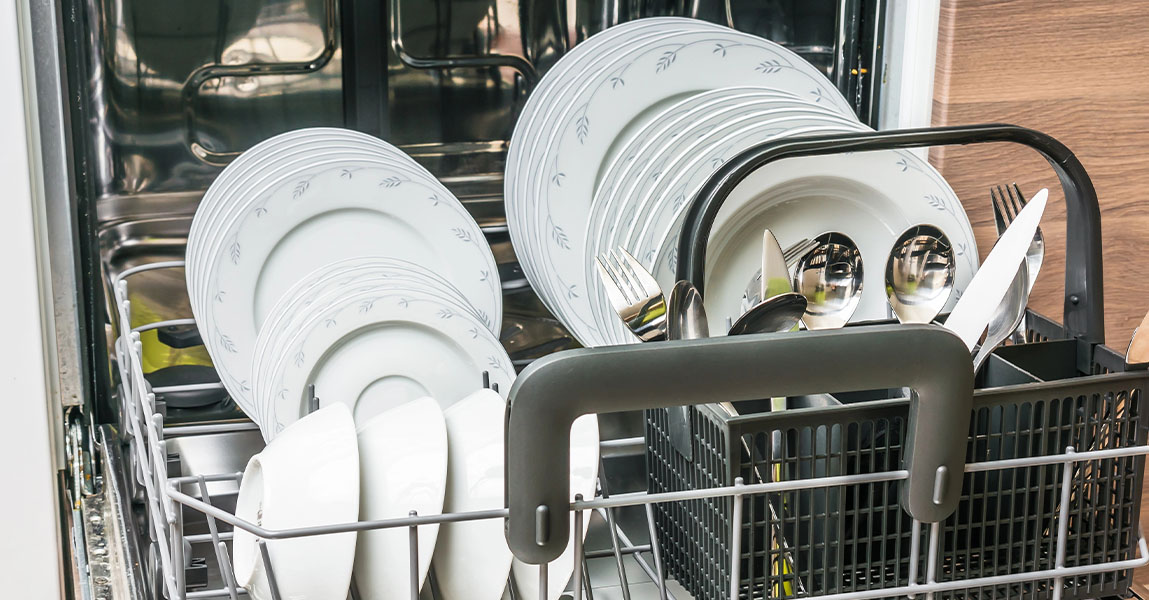
When your dishwasher stops cleaning properly, it can turn every meal into a hassle. You open the door expecting spotless dishes but find cloudy glasses, bits of food, and greasy residue instead. It’s frustrating because dishwashers are meant to make life easier, not add extra work. Before assuming the machine is broken, it’s worth checking a few things that could be affecting its performance. Many of these issues can be resolved at home with simple maintenance or cleaning steps.
Check the Filter and Spray Arms
Food debris often builds up in the dishwasher’s filter, especially if it hasn’t been cleaned in a while. When the filter clogs, water cannot circulate effectively, leaving food particles on your dishes. To fix this, remove the filter from the bottom of the tub and rinse it thoroughly under warm running water. If it’s greasy or covered with grime, use a soft brush and mild detergent to scrub it clean.
Next, inspect the spray arms. These are responsible for distributing water throughout the dishwasher, and even small blockages can limit their reach. Use a toothpick or a small brush to clear any holes that look blocked. A mixture of warm water and vinegar can help dissolve buildup. Reattach the spray arms securely, making sure they move freely. This step alone can make a big difference in how clean your dishes come out.
Load the Dishwasher Correctly
Overloading the dishwasher or stacking items improperly can prevent water and detergent from reaching every surface. Place larger items like pots and pans on the bottom rack and smaller dishes on top. Cups and bowls should face downward so that water can drain easily. Avoid nesting dishes together or covering the spray arms with oversized items.
It also helps to leave a bit of space between each dish. The water jets need room to circulate, and even a small gap improves washing performance. If you often find your dishes still dirty after a cycle, try running the machine half full to see if water coverage improves.
Clean the Interior Regularly
A dishwasher cleans dishes, but it also needs cleaning itself. Over time, grease, soap residue, and minerals can collect inside. To keep it working efficiently, run a cleaning cycle once a month. You can do this by placing a cup of white vinegar in the top rack and running a hot cycle without any dishes inside. The vinegar helps remove odors and dissolve buildup.
For extra cleaning power, sprinkle a bit of baking soda on the bottom of the dishwasher and run another short hot cycle. This combination removes grime and refreshes the interior. Pay attention to the edges of the door and the rubber gasket as well, as these areas can trap residue and mold.
Check the Water Temperature
Dishwashers need hot water to clean effectively. Ideally, the temperature should be around 120 degrees Fahrenheit (about 49 degrees Celsius). If your water heater is set too low, the detergent won’t dissolve properly, and grease may stay on dishes.
To test this, run your kitchen sink until the water feels hot, then fill a cup and check the temperature with a thermometer. If it’s below the recommended range, adjust your water heater settings. Running the hot water tap before starting a cycle also helps ensure the dishwasher begins with warm water instead of cold.
Use the Right Detergent and Rinse Aid
Not all detergents perform the same, and using the wrong kind can lead to residue or cloudy glassware. Choose a detergent formulated for your water type—some work better in hard water, while others are made for soft water conditions. Powder, liquid, and pod forms each have their strengths, but the key is using the right amount. Too much detergent can leave streaks, while too little won’t clean properly.
A rinse aid helps dishes dry faster and prevents spots. Many people skip it, but it plays a big role in achieving that sparkling finish. If your dishwasher has a built-in rinse aid dispenser, refill it every few weeks. If you live in an area with hard water, a rinse aid is even more important.
Inspect the Drain and Hose
If dirty water remains in the bottom of your dishwasher after a cycle, the drain may be clogged. Bits of food or soap residue can block the hose or the drain pump. Start by checking the drain area inside the machine for visible debris. If that looks clear, inspect the hose that connects to the sink drain or garbage disposal.
Sometimes, the issue lies outside the dishwasher itself. A clogged garbage disposal or sink drain can prevent water from exiting the dishwasher properly. Running the disposal before starting a cycle can help prevent backflow. If the hose looks kinked or damaged, straighten or replace it to allow better drainage.
Examine the Inlet Valve and Float Switch
Water supply issues can also cause poor cleaning. The inlet valve controls how much water enters the dishwasher at the start of each cycle. If it’s blocked or faulty, the machine won’t get enough water to wash dishes thoroughly. Listen for the sound of water filling the tub when you start a cycle. If it’s unusually quiet or you see very little water inside, the valve might need attention.
The float switch, usually located at the bottom of the tub, ensures the machine doesn’t overfill. If it gets stuck in the raised position, it may prevent water from entering altogether. Gently move it up and down to check if it’s free. Cleaning around it can solve the problem in many cases.
Check for Hard Water Build-up
Hard water can cause mineral deposits that interfere with cleaning and leave cloudy spots on glassware. If you notice a white film or chalky residue, limescale may be the culprit. Using a dishwasher cleaner formulated for hard water can help remove buildup. Installing a water softener system or using a rinse aid designed for hard water can also reduce future deposits.
Vinegar rinses can help temporarily, but long-term solutions usually involve adjusting water treatment or detergent choices. If your dishes always feel gritty despite regular cleaning, this step is worth looking into.
Run Hot, Long Cycles
Many modern dishwashers have energy-saving or quick-wash settings that use less water and shorter cycles. While these modes save time, they may not clean heavily soiled dishes effectively. Running a full-length, high-temperature cycle now and then ensures a deep clean.
If you often use eco settings, alternate them with a standard or heavy cycle to flush out any hidden residue. This keeps your dishwasher running efficiently and prevents unpleasant smells from developing.
When to Call a Professional
If you’ve checked filters, spray arms, and water temperature but still face the same problem, there might be a deeper issue. Problems with the motor, heating element, or control board often require professional help. Attempting to fix electrical or mechanical parts without proper tools can be risky.
When that time comes, it’s worth reaching out for expert help. You can find reliable appliance repair in Calgary to handle more complex issues safely and efficiently. Trained technicians can identify faults that may not be visible and restore your dishwasher’s performance quickly.
If you’re unsure what’s wrong or you’ve already tried several fixes, it’s time to contact us for an inspection. A professional evaluation can save you money in the long run by preventing further damage and extending the life of your appliance.
Extra Tip: Keep Air Circulating After Each Cycle
One simple trick many people overlook is leaving the dishwasher door slightly open after a cycle. This allows moisture to escape, preventing mold, mildew, and musty smells. The residual heat helps air-dry the interior naturally. Doing this regularly keeps your dishwasher smelling fresh and prevents rubber seals from deteriorating due to trapped moisture.
FAQ
Why are my dishes cloudy even after cleaning?
Cloudy dishes often result from hard water mineral deposits or using too much detergent. Try reducing the amount of detergent and adding a rinse aid to improve results.
Can I use vinegar as a regular cleaner?
Yes, but use it in moderation. Running an empty cycle with a cup of vinegar once a month keeps the interior clean and odor-free. Avoid mixing vinegar with bleach or harsh chemicals.
Why do I still find food particles on dishes?
This usually means the filter or spray arms are clogged. Clean them thoroughly and make sure water pressure inside the dishwasher is strong enough to reach all dishes.
Should I rinse dishes before putting them in the dishwasher?
Scraping off large bits of food is enough. Modern dishwashers are designed to handle light residue, and pre-rinsing too much can actually trick sensors into using shorter cycles.
What if the dishwasher smells bad?
A foul smell usually comes from trapped food or grease. Clean the filter, door gasket, and drain area. Running a hot vinegar or baking soda cycle will help eliminate odors.
By paying attention to these maintenance steps, you can keep your dishwasher in good shape for years. Regular cleaning, proper loading, and occasional checks for buildup prevent most common issues. And when a professional touch is needed, knowing where to turn makes the process much easier.

