
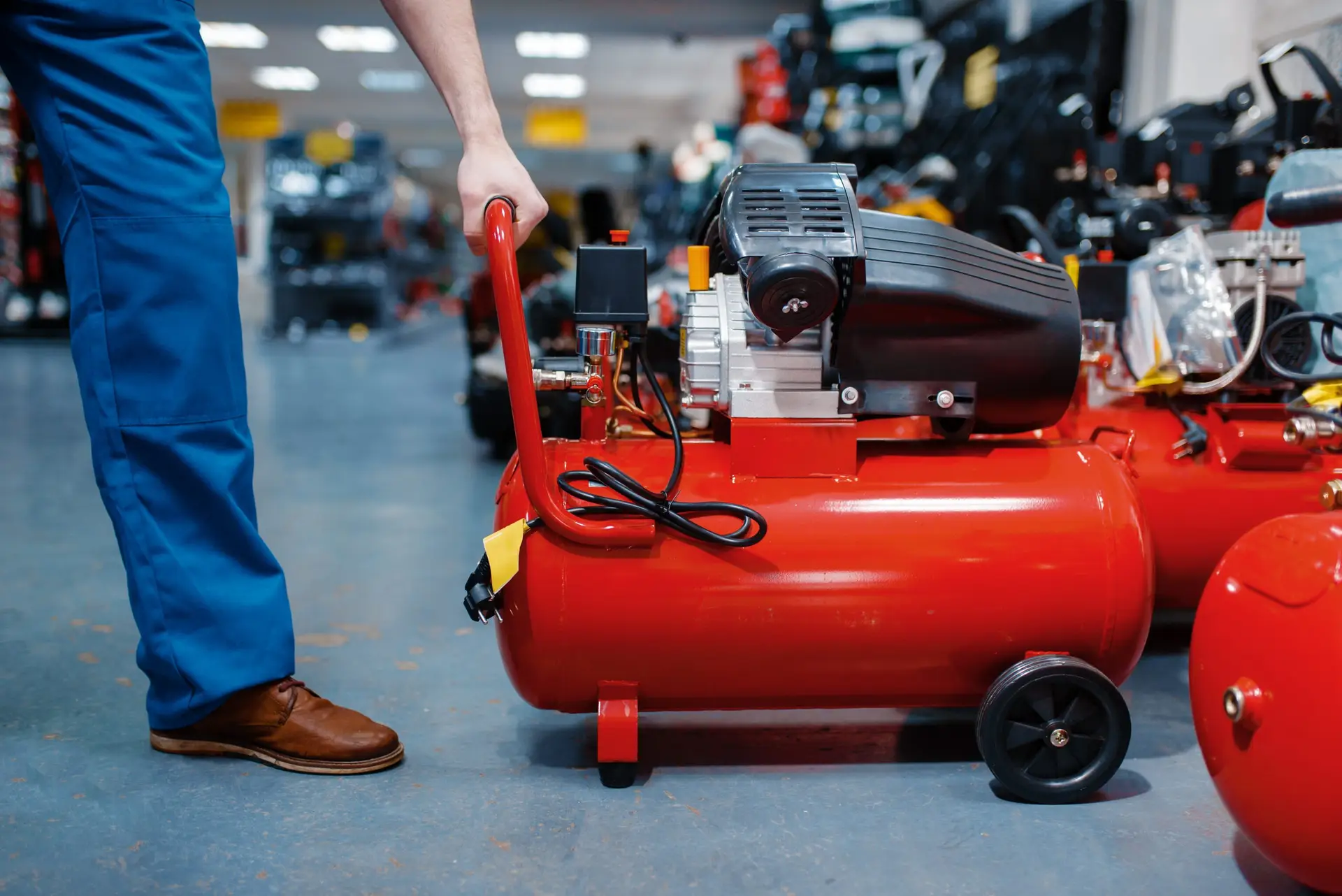
Compressed air systems power many tools and machines across workshops, manufacturing plants, and industrial environments. However, the air inside these systems is rarely clean when it leaves the compressor. Moisture, oil aerosols, dust, and microscopic particles can travel through the system and slowly damage equipment. Therefore, proper filtration becomes one of the most important parts of maintaining reliable compressed air systems.
CFM Air Equipment has worked with compressed air technology for decades, and the company understands how critical filtration is for system protection. Without proper filtration, contaminants travel through piping and directly reach sensitive equipment. As a result, tools wear faster, valves malfunction, and machines lose efficiency over time.
Why Contaminants Exist Inside Compressed Air Systems
Air from the environment always contains particles and humidity. When compressors draw air into the system, they also pull in dust, water vapor, and other airborne contaminants. However, compression intensifies these impurities. Pressure and heat concentrate moisture and particles, allowing them to move easily through pipelines.
In addition, compressors themselves may introduce oil aerosols and microscopic debris during operation. These contaminants mix with the air stream and travel toward downstream equipment. Consequently, sensitive components such as pneumatic tools, control valves, and automation systems become exposed to damaging particles.
A properly designed filtration system prevents this contamination from spreading throughout the air network. Many industrial facilities review filtration solutions when designing new systems or upgrading existing ones. For example, professionals exploring compressed air equipment solutions often focus on filtration as a first step in protecting their investment.
The Role of Filtration in Protecting Pneumatic Tools
Pneumatic tools depend on clean air to operate smoothly and consistently. Small internal components, seals, and bearings must move freely for the tool to function correctly. However, contaminants carried by compressed air can interfere with this precision.
Dust and solid particles can scratch internal surfaces and accelerate wear. Meanwhile, moisture may cause corrosion or interfere with lubrication inside the tool. As a result, tools begin to lose power, require frequent maintenance, or fail prematurely.
Filtration removes these damaging elements before they reach the tool. High quality filters capture particles, separate water droplets, and reduce oil contamination. Consequently, tools receive cleaner air and maintain reliable performance for longer periods.
Proper filtration also reduces downtime in production environments. Instead of replacing tools frequently, facilities maintain consistent operation with fewer interruptions.
How Filtration Protects Valves and Control Systems
Valves and pneumatic control systems depend on precise air flow and accurate pressure regulation. Even small contaminants can interfere with these mechanisms. Therefore, filtration plays a major role in maintaining stable operation.
Particles may block valve passages or damage sealing surfaces. Moisture can cause sticking, corrosion, or freezing in cold environments. In addition, oil contamination may affect sensors and control components within automated systems.
Effective filtration protects these sensitive parts by removing impurities before the air reaches the valve assembly. Multi stage filtration systems often combine particle filters, coalescing filters, and moisture separators. As a result, the air reaching valves becomes significantly cleaner and safer for long term use.
In many facilities, engineers test filtration upgrades through temporary equipment setups. For instance, businesses sometimes use compressed air equipment rentals to evaluate filtration performance before installing permanent systems.
Machine Reliability and Long Term Equipment Protection
Industrial machines that rely on compressed air often operate continuously for many hours each day. Over time, contaminants in the air stream can gradually damage internal components. However, filtration prevents many of these problems before they start.
Clean compressed air reduces corrosion, minimizes wear on seals, and protects delicate moving parts. Consequently, machines maintain consistent performance and require fewer repairs. Maintenance teams also benefit because filtration lowers the frequency of unexpected failures.
Filtration systems also improve energy efficiency. When air pathways remain clean and unobstructed, machines operate more smoothly and require less effort to maintain pressure and flow. Therefore, facilities can reduce energy consumption while extending the lifespan of their equipment.
CFM Air Equipment supports industries by helping them select filtration systems that match their air quality requirements. Each application may require different filtration levels depending on the equipment involved and the sensitivity of the processes being powered.
Building a Reliable Compressed Air Filtration System
Designing an effective filtration system involves more than installing a single filter. Instead, engineers typically build a layered approach that removes contaminants at multiple stages. This strategy ensures the air becomes progressively cleaner as it moves through the system.
The first stage usually removes large particles and condensed water. After that, finer filters capture smaller particles and oil aerosols. In addition, dryers and separators may remove excess moisture from the air supply.
Proper placement of these components is also essential. Filters must be positioned at strategic points in the compressed air network to prevent contamination from spreading downstream. Meanwhile, regular maintenance ensures filters remain effective and do not become clogged.
When filtration systems are designed correctly, they quietly protect the entire compressed air infrastructure. Tools operate smoothly, valves respond accurately, and machines continue working without unnecessary wear.
FAQs
Why is filtration important in compressed air systems?
Filtration removes dust, moisture, oil aerosols, and other contaminants from compressed air. Without filtration, these particles travel through the system and damage tools, valves, and machinery. Clean air improves equipment reliability and reduces maintenance costs.
What contaminants are usually found in compressed air?
Compressed air commonly contains water vapor, solid particles, oil aerosols, and airborne debris. These contaminants originate from the surrounding environment and from compressor operation itself.
Can poor filtration damage pneumatic tools?
Yes. Dirty compressed air can cause internal wear, corrosion, and lubrication problems inside pneumatic tools. Over time, this leads to reduced performance, higher maintenance needs, and premature tool failure.
How often should compressed air filters be replaced?
Filter replacement depends on system usage and environmental conditions. However, many industrial facilities inspect filters regularly and replace them according to manufacturer recommendations to maintain air quality.
Does filtration improve energy efficiency in compressed air systems?
Yes. Clean air helps machines operate smoothly and reduces internal resistance caused by contamination. As a result, compressed air systems often run more efficiently when filtration is properly maintained.
You can read more about our services here: Alberta Business Beat, Your Local Biz, Post Of The Day, Canada Biz Portal, The Canada Best, Calgary Best, The Daily Local.

