
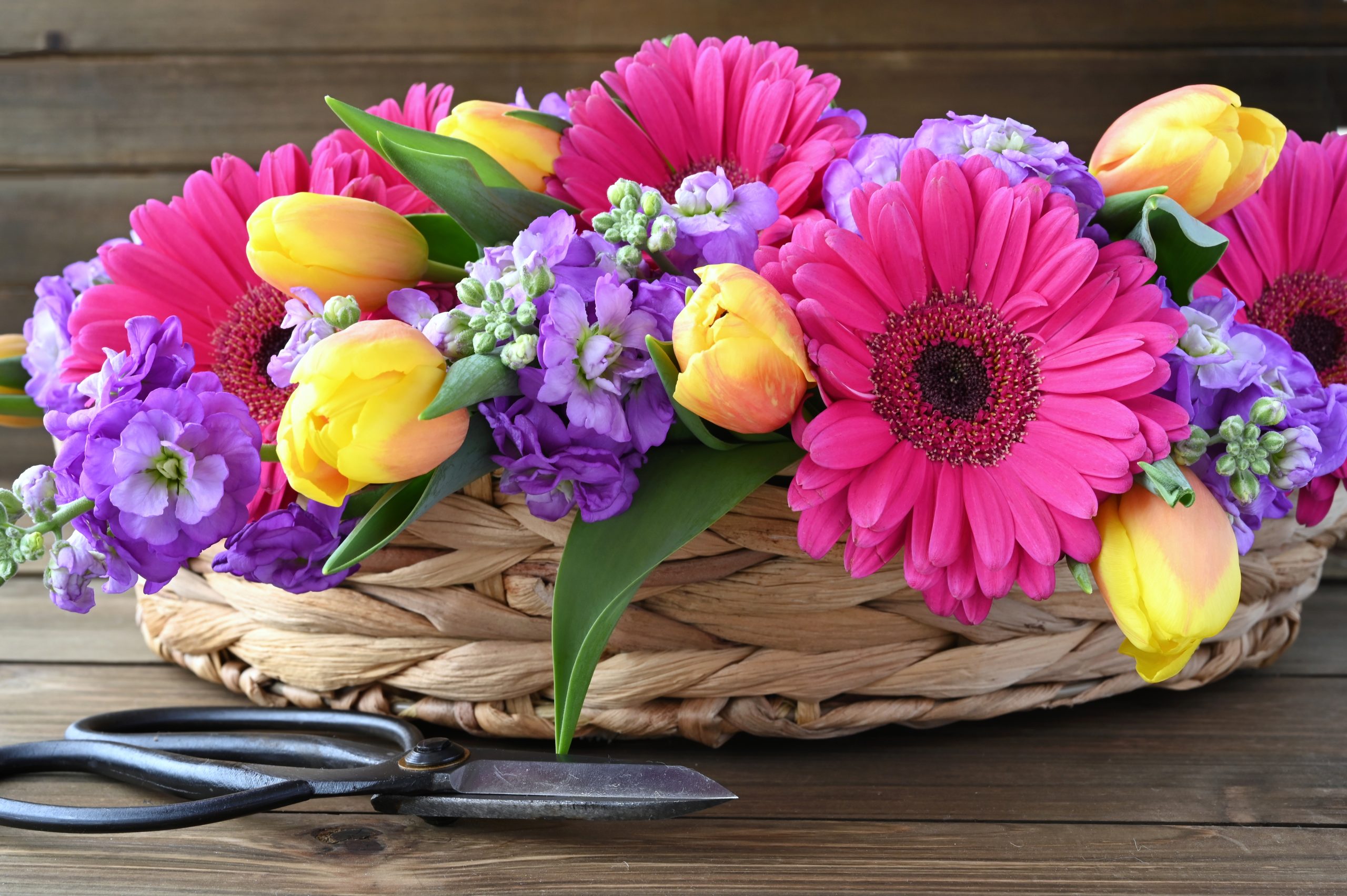
Flowers can lift the mood of an entire room, but their beauty fades quickly without the right care. Whether we buy them for ourselves or receive them as a gift, most of us want them to last more than just a few days. With some simple steps, it is possible to keep flowers fresh and blooming much longer. The key lies in understanding how they continue to live after being cut and what we can do at home to support that process.
Start with Clean Tools and a Fresh Vase
Every flower arrangement starts with a clean foundation. Before placing flowers in water, wash the vase thoroughly with warm, soapy water. Rinse it well to remove any traces of detergent. Bacteria and residue from previous arrangements are one of the main reasons fresh flowers wilt early. A clean vase ensures that the stems stay healthy and can draw water freely.
When cutting the stems, always use sharp scissors or a floral knife. Dull blades can crush the stems and block water absorption. After trimming, place the flowers in water immediately to prevent air from entering the stem ends, which can form air pockets that limit hydration.
Trim the Stems the Right Way
Cutting stems properly can make a big difference. We recommend cutting each stem about one inch from the bottom at a 45-degree angle. The angled cut increases the surface area for water uptake and keeps the stem from sitting flat at the bottom of the vase. This simple adjustment helps flowers stay hydrated longer.
For woody stems like roses, lilacs, or hydrangeas, it helps to split the ends slightly or crush them gently with a mallet. This allows them to absorb water more efficiently. Always re-trim stems every two to three days before changing the water.
Use the Right Water Temperature
Room-temperature water works best for most flowers, but there are exceptions. Cold water slows down metabolism, which can be helpful for hardy flowers such as tulips or chrysanthemums. Warm water, around 37–40°C, works better for roses or flowers with tight buds, as it helps them open faster.
Avoid using hot water, as it can damage delicate petals and leaves. A good rule is to fill the vase halfway with lukewarm water, then let it sit for a few minutes before adding the flowers.
Add Flower Food or Make Your Own
Most bouquets come with a small packet of flower food. This mix typically contains sugar, acid, and antibacterial agents that nourish flowers and reduce bacterial growth. Follow the instructions carefully and mix the packet fully before adding the flowers.
If no packet is available, we can make a homemade version. Combine one teaspoon of sugar, one teaspoon of white vinegar, and a few drops of bleach in a quart of water. The sugar feeds the blooms, vinegar keeps the pH low for better hydration, and bleach prevents bacteria from multiplying. Replace this mixture every couple of days to keep it fresh.
Change the Water Regularly
Fresh, clean water is essential. Every two days, remove the flowers, empty the vase, and rinse it thoroughly. Cut the stems again and refill the vase with fresh water and flower food or the homemade mix. Avoid topping off the water without cleaning the vase, as that encourages bacterial buildup.
While changing the water, remove any fallen leaves or petals that may be floating inside. These decompose quickly and can contaminate the water. Keeping the vase spotless is one of the easiest ways to extend the life of fresh flowers.
Remove Leaves Below the Water Line
Leaves submerged in water decay fast, creating bacteria that shorten the life of flowers. Strip all leaves that would sit below the water line. This not only prevents rot but also helps the flowers channel more energy toward the blooms.
Keeping stems clean improves airflow between flowers and helps them stay upright. If a bouquet looks crowded, remove a few stems to give the arrangement breathing room.
Keep Flowers Away from Heat and Sunlight
Even though sunlight nourishes plants, it shortens the lifespan of cut flowers. Once separated from the root system, direct sunlight accelerates dehydration. Keep vases away from heat sources like radiators, stoves, or computers.
Drafts from air conditioners or open windows can also harm flowers. A stable temperature around 20°C is ideal. Placing flowers in a cool, shaded spot can extend their freshness by several days.
Separate Ethylene-Producing Fruits
Many people unknowingly store flowers near fruit bowls. Fruits like apples, bananas, and pears release ethylene gas, which speeds up the ripening of nearby produce—and the wilting of flowers. Keep the vase in a separate location, away from any fruit, to avoid early aging.
Even a small amount of ethylene can cause flowers to droop and lose petals prematurely. This is one of the lesser-known tips that can significantly affect longevity.
Support with Proper Hydration at Night
One simple trick to help flowers recover is placing the vase in the refrigerator overnight. Cooler temperatures slow down respiration and water loss, similar to how florists preserve flowers before arranging them. If a fridge is not available, move the arrangement to a cooler room at night.
This nightly routine can extend freshness by several days, especially in warmer months. Always return the flowers to room temperature slowly in the morning to avoid shock.
Choose the Right Vase Size and Shape
The shape and size of a vase influence how long flowers last. Crowded stems limit airflow and encourage mold growth. Choose a vase that gives each stem enough space to stand freely.
Tall, narrow vases work best for long-stemmed flowers like roses or lilies, while wider vases suit mixed arrangements. If stems slide to one side, add a grid of transparent tape across the vase opening to help keep them upright and evenly spaced.
Refresh the Arrangement
Flowers mature at different rates. To keep an arrangement looking lively, remove wilted or dead blooms daily. This prevents them from releasing gases or bacteria that affect the others.
When removing old flowers, trim the remaining ones and refill the water. By refreshing the display regularly, we keep the arrangement looking healthy and extend its overall life.
Handle Delicate Blooms with Care
Some flowers, like orchids, tulips, and poppies, need gentler handling than sturdier ones. Avoid touching the petals too much, as natural oils from our hands can damage them. Use the stems for support instead.
Tulips continue to grow even after being cut, often bending toward light. Rotate the vase every day so they maintain a balanced shape. Poppies and orchids prefer slightly cooler water and minimal disturbance.
Understand Each Flower Type
Different flowers have different needs. Roses prefer deeper water, while gerbera daisies benefit from shallow water that is changed daily. Hydrangeas can absorb water through their petals, so misting them helps. Lilies produce pollen that can stain both petals and surfaces, so removing the stamens early can prevent mess and prolong their life.
When arranging multiple species together, group those with similar requirements. This makes care easier and keeps the bouquet balanced for longer.
Store Spares Correctly
If we receive more flowers than fit in one vase, keep the extras wrapped loosely in damp paper towels and store them in the fridge. This prevents them from drying out before use.
Before transferring them into water later, cut the stems again and let them adjust to room temperature for about 30 minutes. This refreshes their internal hydration and helps them bloom fully when added to the main arrangement.
Know When to Refresh Your Arrangement
Even with the best care, no flower lasts forever. But we can stretch their beauty by reviving the arrangement at the right time. After five to seven days, remove all flowers, wash the vase, trim each stem, and refill with new water and nutrients.
If some stems look weak but others remain firm, cut the healthy ones shorter and transfer them into smaller vases or jars. This gives them a new life and allows us to enjoy them for a few more days in a different corner of the house.
Support Local Expertise
Sometimes we need help identifying which flowers thrive best in our environment or how to maintain them year-round. Visiting a florist in Calgary can provide valuable guidance about seasonal blooms, local humidity, and care routines suited to Calgary’s climate. Local professionals can also suggest varieties that naturally last longer or require less maintenance indoors.
Their insight helps us make smarter choices, whether we are preparing a table centerpiece or arranging flowers as gifts.
When to Seek Professional Help
If flowers wilt unusually fast despite proper care, the problem could be related to water quality or hidden bacteria in the stems. In that case, it might help to speak directly with a professional florist. For personalized advice or specific flower care recommendations, you can always contact us for assistance. Our experience with different flower types and environmental conditions in Calgary allows us to help troubleshoot common issues and find practical solutions.
FAQ
How often should I change the water in my vase?
Change it every two days. This keeps the stems clean, prevents bacteria, and maintains hydration.
Can I use tap water for flowers?
Yes, but let it sit for a few minutes to reach room temperature. If your tap water is heavily chlorinated, mix in a little filtered or bottled water.
Why do my flowers droop after one day?
This usually happens because the stems are blocked. Re-cut them under water and replace the vase water completely.
Do crushed aspirin or coins help flowers last longer?
These old tricks do not help much. Focus instead on clean water, fresh cuts, and the right temperature.
Should I mist my flowers?
Misting helps flowers like orchids and hydrangeas, which absorb moisture through petals. Do it lightly once a day without soaking them.
Keeping flowers fresh at home does not require professional tools—just consistency, cleanliness, and a little attention to detail. By understanding how flowers breathe, drink, and react to their surroundings, we can enjoy their color and fragrance much longer.

