
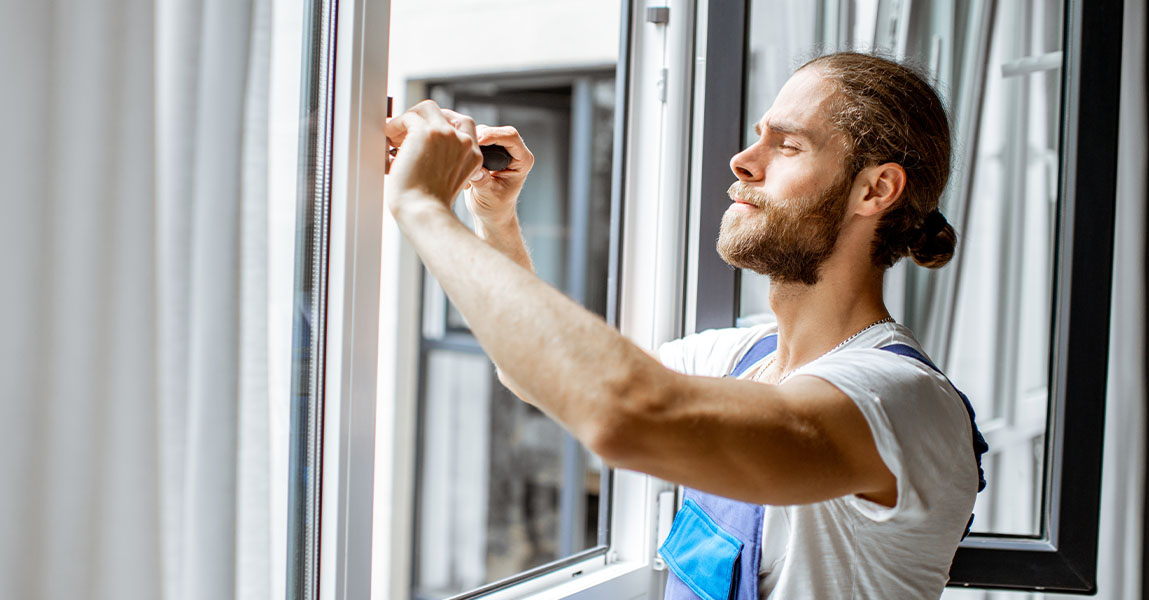
Replacing windows can greatly improve comfort, energy efficiency, and overall value. But before installation begins, a few careful steps make the process smoother for everyone involved. Preparing your home properly ensures safety, protects your belongings, and helps the installers work efficiently.
Below we’ll go through practical steps to get ready for your window replacement, from clearing the area to managing the small details that people often overlook.
Clear the Work Area
Before any installation begins, make sure the work zones are open and accessible. Move furniture, plants, and decorations away from the windows. Clear at least three to four feet of space around each area where a window will be replaced. This allows the installers to move their tools safely and set up ladders or equipment without risk of damage.
For upper floors, consider removing any breakable items from nearby shelves or walls. Window installation involves vibration and movement that can cause items to fall. Even sturdy furniture may shift slightly as old frames are removed, so take a few minutes to secure or remove anything delicate.
If you have outdoor furniture or planters near the exterior walls, move them to a safe distance as well. This makes it easier for the installation team to access your home’s exterior and reduces the chance of accidental scratches or dents.
Protect Your Floors and Walls
Window replacement can generate a fair amount of dust, debris, and foot traffic. Before work starts, lay down protective coverings on flooring near the work areas. Old sheets, canvas drop cloths, or plastic sheeting work well. You can also ask your installation team what kind of floor protection they use.
It’s also smart to remove curtains, blinds, and any window treatments. Keep hardware like rods and hooks in labeled bags for easy reinstallation later. For rooms with freshly painted walls, consider adding painter’s tape around window trim to prevent scuffs or tool marks.
During winter projects, installers may keep windows open for short periods, so plan for a temporary temperature drop. Close doors to rooms not being worked on to keep the rest of your home warmer.
Secure Pets and Children
Window installation involves loud noises, sharp tools, and constant movement in and out of your home. For safety, keep pets and small children away from the work areas.
If possible, set up a temporary play area or close off one section of the house. The installers will need to open doors frequently to move materials, and even a brief distraction can create a hazard.
For anxious pets, consider scheduling the installation on a day when you can take them out or leave them with a friend. Reducing stress for your pets helps the installers focus on the work and keeps everyone calm.
Plan for Access and Communication
Installers will need access to your home’s interior and exterior throughout the project. Make sure walkways, driveways, and gates are open and clear of vehicles. If your property has locked gates or security systems, disable or adjust them before the team arrives.
Before the project day, talk with your installer about where they can park and set up. Good communication helps prevent confusion and saves time once the crew begins working.
If you work from home, be prepared for some noise. You may want to plan virtual meetings for times outside the installation window or choose a quiet location away from the work area.
For anyone living in a condominium or multi-unit building, check with the property management or homeowners’ association in advance. Some require notice or permits for exterior work.
Double Check Measurements and Access Points
Most window projects start with professional measurements, but if you’ve made changes since your consultation—such as adding trim, replacing siding, or installing security bars—let your installer know right away. Even small differences can affect how the new frames fit.
Before the crew arrives, unlock all windows and doors leading to the areas being worked on. If there are any rooms that are hard to reach or require special instructions, communicate those in advance.
It’s also helpful to mark any problem areas, such as windows with water damage or rot. Bringing them to the team’s attention early ensures proper treatment during installation.
Manage Dust and Clean-up
Replacing windows can produce sawdust, old paint flakes, and debris. While professionals take precautions, you can make cleanup easier by covering furniture with plastic sheets or lightweight blankets.
If anyone in your household has allergies or respiratory issues, you may want to run an air purifier during and after the work. You can also close off vents in the work area to prevent dust from circulating through your HVAC system.
After the installation, vacuum around the windowsills and baseboards to catch remaining debris. Wipe down the glass with a soft, lint-free cloth once everything is complete. Avoid using strong cleaning solutions for a few days to allow caulking and sealant to cure fully.
Coordinate Installation Timing
Weather plays a role in how smoothly your window replacement goes. In Calgary, temperatures can shift quickly, and wind or snow may slow outdoor work. Check the forecast ahead of time with your installer and confirm that conditions look good for the scheduled day.
If the project takes more than one day, ask about the sequence of rooms. Knowing which areas will be done first helps you plan where to stay and how to keep your home functional during the process.
It’s common for installers to start early in the morning to maximize daylight. Have the workspace ready before they arrive so the day starts efficiently.
Verify Energy Efficiency Options
Before installation begins, review your new windows’ energy features. Check for low-emissivity coatings, gas fills, and insulation details that fit your home’s climate needs. In Calgary’s cold winters and warm summers, windows with high energy ratings make a noticeable difference in comfort and utility costs.
Understanding these features ahead of time helps you know what to expect after installation. Once the project is done, you can test for drafts by holding a candle or incense stick near the frames to see if the flame flickers.
You can read more about window replacement in Calgary to understand how different materials and techniques impact long-term performance.
Prepare for Final Inspection
After installation, a proper inspection ensures everything operates smoothly. Open and close each window to confirm the fit. Check the locks and seals. Look for even caulking lines and clean finishes around the trim.
Make sure that drainage holes are open and not blocked by debris. These small details prevent water buildup and extend the lifespan of your windows.
If you notice any issues, mention them before the crew leaves. It’s easier to address adjustments on the same day rather than scheduling a return visit.
Maintain Access for Future Service
Even after installation, occasional maintenance helps keep your windows performing well. Keep the installation paperwork and warranty information in one place. Note the type of glass and frame material so future repairs or cleaning products match correctly.
Wipe window tracks and frames regularly to prevent dust buildup. Inspect the seals each season for cracks or gaps. In Calgary’s variable weather, expansion and contraction can affect caulking over time, so minor touch-ups may be needed every few years.
If you ever need professional assistance later on, it’s easy to contact us for follow-up service or inspection.
Extra Tip: Plan for Waste Disposal
One detail many homeowners forget is waste management. Old windows, glass, and construction debris can accumulate quickly. Ask in advance whether the installers handle disposal or if you should arrange it yourself.
If you prefer to recycle materials, check with local waste facilities. Some Calgary recycling centers accept clean glass or metal frames. Organizing this before the project saves time and prevents clutter afterward.
FAQ
1. How long does window replacement usually take?
Most installations take one to two days, depending on the number of windows and weather conditions. Large or complex projects may take longer, but professionals work to minimize disruption.
2. Do I need to stay home during installation?
It’s best if someone is home, at least during the first part of the day. The installers may need access to interior rooms and to confirm details or preferences.
3. Will replacing windows damage my walls or siding?
A proper installation should not cause damage. Experienced installers remove old frames carefully and repair any small areas affected during the process.
4. How do I clean new windows after installation?
Use mild soap and water with a soft cloth. Avoid harsh chemicals for the first week, since sealants and finishes need time to set.
5. Can window replacement improve energy bills immediately?
Yes, you’ll likely notice a difference within the first month. New windows with proper sealing reduce heat loss in winter and keep interiors cooler in summer, lowering overall energy costs.

