
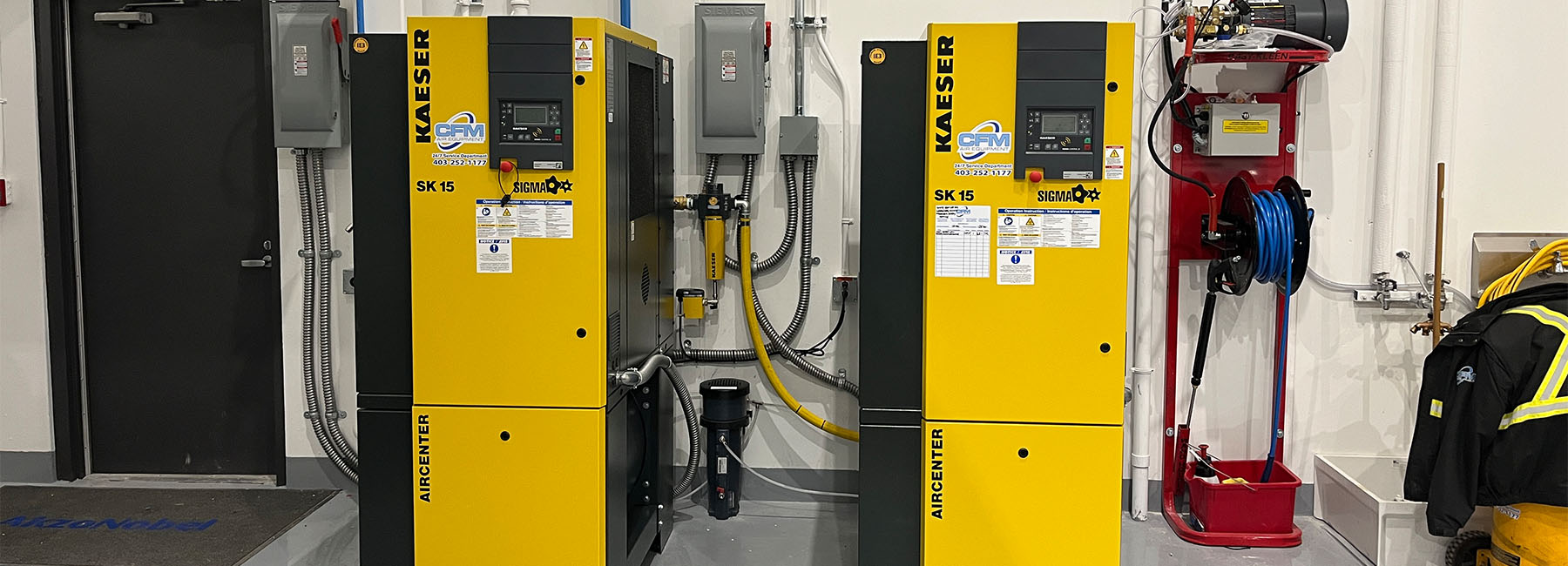
A well-maintained compressed air system can make a huge difference in industrial operations. When air leaks go unnoticed, energy use climbs and performance drops. We deal with compressed air systems daily, and one truth remains clear—small leaks cause big costs. Reducing leaks and improving efficiency starts with practical habits and a clear understanding of how air behaves in your setup.
Understanding Where Air Leaks Begin
Air leaks usually start in places where pressure meets movement. Fittings, valves, hoses, and joints often loosen over time. Even a tiny gap can lead to a steady stream of lost air. We often see leaks in flexible lines, couplings, and thread sealants that dry out or crack under vibration. Since compressed air is invisible, leaks can stay hidden until the energy bill reveals them.
To prevent this, it helps to schedule visual and ultrasonic inspections regularly. While soapy water works for small systems, ultrasonic detectors find leaks you cannot see or hear. Once identified, tagging and logging each leak helps track repairs and prevents repeat issues. Every recorded fix increases the efficiency of your compressed air network.
Why Small Leaks Cost More Than You Think
A single small leak wastes more energy than many operators realize. A 1/8-inch leak in a 100 psi system can cost hundreds of dollars per year in lost air. Multiply that by several leaks, and you start losing thousands in wasted power. Compressed air is one of the most expensive utilities to produce, so even minor inefficiencies affect the bottom line.
Moreover, air leaks cause your compressor to run longer to maintain pressure. This extra work increases wear on bearings, seals, and motors. The result is shorter equipment life and more frequent maintenance. Reducing leaks not only cuts costs but also protects your assets. We can think of it as recovering power that you already paid to generate.
The Role of Pressure Settings in System Efficiency
Many facilities operate at higher pressures than needed. Each extra psi adds roughly one percent more energy consumption. By lowering system pressure slightly, you can reduce leak rates and energy costs without harming production. The key is to set pressure only as high as the most demanding tool or process requires.
To manage this correctly, divide your air system into pressure zones. Sensitive tools might need higher levels, but general areas often run fine with less. Using a master controller or flow regulator keeps balance across zones. It also prevents overloading the compressor and reduces the strain that creates new leaks.
You can find a complete guide to optimizing compressed air systems on our page about industrial air compression solutions. It explains how proper design and regulation reduce unnecessary air loss and extend compressor life.
How Maintenance Improves Air Tightness
Preventive maintenance is the simplest way to keep your air system efficient. We often remind operators that leaks grow slowly, but neglect makes them multiply. Replacing old hoses, cleaning filters, and tightening fittings keep your network stable. Every inspection should check gauges, drain traps, and quick connects.
It also helps to test pressure drops along major lines. A sudden loss indicates a restriction or leak nearby. Over time, oil and debris can weaken seals and pipe threads, so regular cleaning prevents buildup. Using quality fittings and sealing materials during installation also plays a big role in long-term efficiency.
Upgrading System Design for Long-Term Efficiency
Sometimes, the best way to fix leak problems is by improving layout and component quality. Piping material choice affects both flow and leak risk. Aluminum and stainless steel systems hold pressure better than old iron or plastic lines. They also resist corrosion, which keeps joints tighter for longer periods.
When upgrading, consider installing loop systems instead of single-feed lines. A loop design maintains balanced pressure and limits the effect of a single leak. Flexible drops with shutoff valves allow isolation of problem areas without shutting down production. These upgrades may seem costly initially but usually pay back quickly in energy savings.
The Importance of Monitoring and Measurement
You cannot manage what you do not measure. Adding flow meters, pressure sensors, and energy monitors gives real insight into how efficiently your system performs. These tools highlight when leaks occur or when demand changes unexpectedly. Regular data reviews help adjust schedules, plan maintenance, and identify equipment running inefficiently.
Data also shows trends over time. For example, if pressure drops faster after shift changes, you might have leaks forming during idle periods. Modern monitoring systems can send alerts when performance dips below target ranges. The information helps make smart decisions before inefficiencies turn into expensive repairs.
Training Staff to Recognize Air Loss
Human attention remains one of the strongest defenses against energy loss. Training technicians and operators to spot signs of air leaks builds awareness across the facility. Hissing noises, excessive compressor cycling, or drops in tool performance should never be ignored. A quick report and follow-up inspection can prevent a small problem from becoming a major waste.
Encourage staff to treat compressed air like any other costly resource. When everyone understands its value, the whole system benefits. Posting simple visual guides near work areas can remind teams what to look for. Rewarding teams for reporting leaks also helps maintain accountability.
The Connection Between Air Quality and Efficiency
Dirty or moist air increases wear and energy loss across the system. Contaminants clog filters and create back pressure, forcing compressors to work harder. A clean, dry air stream flows faster and seals better, reducing leak potential. Regular filter replacement, dryer maintenance, and condensate management play vital roles here.
Monitoring dew points helps ensure air quality stays within target ranges. High humidity can cause corrosion inside pipes, leading to cracks and leaks over time. By keeping the air dry and clean, you lower stress on the system and maintain consistent performance.
Why Periodic System Audits Matter
Even with maintenance and monitoring, air systems drift from their ideal state. Production changes, added tools, or aging components alter pressure demands. That is why periodic system audits provide value far beyond leak detection. They assess efficiency as a whole—measuring output, losses, and usage patterns.
An air audit identifies whether compressors are correctly sized or if distribution lines need balancing. It also reveals hidden energy drains that do not show up in daily checks. After an audit, you can prioritize upgrades or repairs for maximum savings. Many facilities see significant returns within months after implementing audit findings.
Making Energy Efficiency a Habit
Reducing leaks and improving performance is not a one-time task. It requires steady attention and teamwork. Documenting every fix, maintaining logs, and reviewing energy data build a culture of efficiency. Over time, these habits compound into lasting benefits—lower costs, fewer breakdowns, and longer compressor life.
When we make efficiency a shared goal, it changes how people treat equipment. Operators take more care with hoses, fittings, and valves. Maintenance teams act faster, and management sees measurable energy savings. Once efficiency becomes habit, your system stays healthy for years.
When to Seek Professional Support
There are times when leak reduction requires outside expertise. For instance, if your facility runs multiple compressors or advanced controls, professional analysis ensures proper balance. Specialists use instruments that measure air flow, load profiles, and leak rates more accurately than manual checks.
Bringing in experts every few years verifies that your strategy still fits your plant’s size and load demand. It also helps prevent hidden issues like undersized piping or faulty regulators. If you are considering system optimization, you can contact us to learn more about planning reliable inspections and efficiency checks.
FAQs
1. How often should we check for air leaks in a compressed air system?
A visual check every month and a full ultrasonic test every six months is a good rule. High-use systems may need quarterly inspections.
2. What are the easiest places to find leaks?
Most leaks appear around couplings, hoses, valves, and thread connections. Listen for hissing sounds or feel for escaping air during off hours.
3. Does lowering system pressure really save energy?
Yes. Every psi you reduce lowers energy use and leak rates. Even small reductions can cut annual costs without affecting productivity.
4. How can we calculate the cost of a leak?
Use the formula based on leak diameter, pressure, and run hours. Most manufacturers provide calculators to estimate annual energy loss.
5. What materials help prevent leaks in new installations?
Choose aluminum or stainless steel piping, quality thread sealants, and proper fittings. These materials stay tight longer and resist corrosion.

