
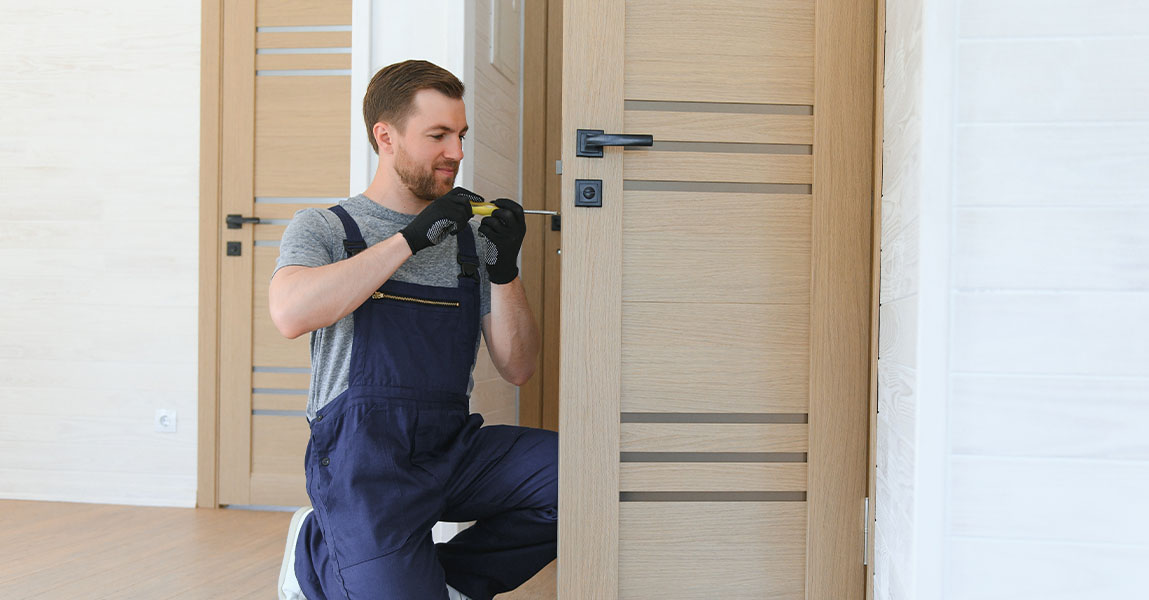
Ottawa residents cherish their city’s distinct seasons, but these extreme temperature swings and variable weather conditions pose a unique challenge for home maintenance, particularly for residential security. Your home’s locks are mechanical marvels, yet they remain vulnerable to the relentless forces of nature. Understanding how Ottawa’s notorious cold, snow, humidity, and heat impact your locks is the crucial first step toward ensuring the security and proper functioning of your entry points.
The Deep Freeze Winter Presents
Winter is arguably the most demanding season for any mechanical system outdoors. When temperatures plummet far below freezing, the materials in your locks contract, creating immense stress. Metal shrinkage is a significant factor; the pins, springs, and cylinder components within a lock slightly pull away from each other. This contraction changes the precise tolerances required for the key to turn smoothly.
Furthermore, moisture infiltration is a common problem. Condensation, rain, or melted snow can seep into the lock cylinder during milder periods. As the temperature drops, this water freezes. Ice buildup acts like a solid obstruction, preventing the internal mechanisms from moving. You insert your key, but the tumblers remain frozen in place, refusing to budge. Many homeowners attempt to force the key, which often results in a broken key stuck in the lock—a costly and frustrating emergency. To proactively safeguard your home, you must maintain your locks regularly, especially before the first major freeze.
The Challenge of Summer Heat and Humidity
While winter is the obvious culprit, Ottawa’s hot and humid summers present their own set of challenges for your locks. Thermal expansion is the opposite of winter’s contraction. Heat causes the lock’s metal components to expand slightly. This expansion tightens the internal tolerances. A key that worked perfectly in the spring might feel stiff or sticky on a sweltering July afternoon because the components are now pressed closer together.
More significantly, high humidity accelerates corrosion and rust. Moisture in the air reacts with the metals inside the lock. Over time, rust develops on the delicate springs and pin segments. This corrosive buildup adds friction, making the lock feel sluggish and gritty. Homeowners who neglect their locks over the summer find the internal corrosion has permanently damaged the smoothness of the mechanism. You should always use a dry, graphite-based lubricant during the spring and summer to repel moisture and keep components gliding freely.
Understanding Seasonal Transition Effects
The periods of freezing rain, thaw cycles, and rapid temperature changes—often experienced in early spring and late fall—are arguably the most destructive. A lock can be warm and wet in the afternoon, only to freeze solid overnight. This constant state of wetting and refreezing exacerbates the problems of both contraction and moisture infiltration.
The transition from a warm, damp environment to a cold, dry one, or vice-versa, can create a “gummy” residue inside the lock when mixed with improper lubricants. Using oil-based lubricants is a common mistake; they attract and trap dirt, dust, and water, leading to a sludge that locks up the pins. When searching for reliable professionals who understand these local climate impacts, choose a qualified Residential Locksmith Ottawa who can perform seasonal maintenance checks. This preventive approach is far cheaper than emergency repairs.
Maintenance Strategies for Ottawa Homeowners
Effective lock performance in Ottawa requires a year-round, proactive maintenance schedule. You should follow these essential steps to ensure the longevity and reliability of your home security.
Lubrication is Key
Never use WD-40 or similar oil-based sprays in your lock cylinders. These products offer temporary relief but ultimately worsen the problem by attracting debris. Instead, you need a high-quality graphite powder or a Teflon-based liquid lubricant. Apply a small amount directly into the keyway and insert the key several times to distribute the lubricant throughout the cylinder. Perform this twice a year: once before the onset of winter and again in the spring.
Weatherproofing the Hardware
Focus on the exterior components of your lock. Loose strike plates or latch mechanisms misaligned due to seasonal wood expansion and contraction can prevent the bolt from extending fully. Tighten all exposed screws on the deadbolt and doorknob hardware. Consider adding a silicone or rubber lock cover to your main entry deadbolt. These simple covers act as a shield, directly preventing snow, rain, and ice from entering the keyway.
Addressing Frozen Locks Safely
If you encounter a frozen lock, never use excessive force on the key. You risk breaking the key or, worse, damaging the cylinder irreparably. Instead, you can use a small amount of commercially available lock de-icer, or, more safely, gently heat the key with a lighter before inserting it. The residual heat on the metal key often melts the thin layer of ice blocking the pins. For persistent issues or broken keys, you must call a professional locksmith. For immediate assistance with lock repairs and replacements, you can reach out for service.
When to Call a Professional Locksmith
While regular maintenance helps, locks are subject to wear and tear. If your key consistently sticks, if you struggle to turn the deadbolt, or if the lock makes a grinding noise, the internal components have likely suffered weather-related damage or excessive wear. Continuing to use a faulty lock compromises your security. A professional locksmith offers vital services, including:
- Lock Re-Keying Adjusting the internal pins to work with a new key, often repairing internal damage in the process.
- Weather-Resistant Upgrades Installing locks rated for extreme conditions, which often feature better protective finishes and materials.
- Door Realignment Adjusting the door frame or strike plate, which often shifts due to ground freeze and thaw cycles, causing misalignment.
For expert advice on securing your property against Ottawa’s specific climate challenges, and to explore high-quality weather-resistant lock solutions, you can find a local specialist at A qualified professional ensures your security remains robust year-round. Don’t wait until a lockout or security breach occurs; take proactive steps today to protect your home. Contact a dependable locksmith for maintenance or service appointments:
Frequently Asked Questions
What causes my lock to feel sticky in the summer
High temperatures cause the metal components of the lock to expand, slightly decreasing the space between the pins and the cylinder walls. High humidity also introduces moisture, leading to the formation of light rust or corrosion on the internal parts, which increases friction and creates a sticky, sluggish feeling when you insert and turn the key.
Can I use cooking oil to lubricate a stiff lock
No, you should strictly avoid using cooking oil, motor oil, or products like WD-40 inside your lock cylinder. These oil-based lubricants are temporary fixes that quickly attract and trap dust, dirt, and debris. Over time, this debris mixes with the oil to form a thick, sticky sludge that permanently gums up the lock mechanisms and makes the problem significantly worse. Always use a dry lubricant like graphite powder or a silicone/Teflon-based spray.
How do I safely unfreeze a frozen lock without damaging it
The safest and most recommended method is to gently heat your key with a cigarette lighter or a match for a few seconds before inserting it into the lock. The heat transfers from the key to the metal components, melting the thin layer of ice blocking the pins. Alternatively, you can use specialized lock de-icer spray, but you must ensure it does not contain water. Never attempt to pour hot water directly onto the lock, as it will likely refreeze and worsen the problem.
Should I cover my exterior locks during the winter
Yes, you absolutely should consider covering your exterior locks, especially those on main entry doors. Use a small, magnetized, or adhesive-backed rubber or plastic lock cover designed specifically for keyways. These covers prevent snow, freezing rain, and condensation from entering the lock cylinder, which is the primary cause of freezing and internal corrosion.
How often should I perform maintenance on my home locks in Ottawa
Given Ottawa’s extreme seasonal variations, you should perform full lock maintenance, including cleaning and proper lubrication, at least twice a year. The ideal times are in the late fall, before the first major freeze sets in, and again in the late spring, after the final frost. Consistent bi-annual maintenance is the best defense against weather-related failure.
My deadbolt is hard to turn even after lubrication what is the likely problem
If proper lubrication does not fix the issue, the likely problem is door misalignment, which is common due to seasonal shifts in the door frame or foundation caused by ground freezing and thawing. When the door and frame shift, the deadbolt latch no longer aligns perfectly with the strike plate hole. This misalignment causes the bolt to rub against the plate, making the mechanism hard to turn. A locksmith must adjust or relocate the strike plate to restore smooth operation.
Does extreme cold reduce my lock’s security
Extreme cold does not inherently make the lock easier to pick or break by a burglar, but it does make the lock more vulnerable to damage from improper use. A frozen lock can lead a homeowner to break a key off inside the cylinder, rendering the door unopenable and requiring a locksmith for an emergency repair. The primary security risk comes from neglecting maintenance, which causes the lock to fail when you most need it.
How Weather Changes in Ottawa Affect Home Lock Performance
Ottawa residents cherish their city’s distinct seasons, but these extreme temperature swings and variable weather conditions pose a unique challenge for home maintenance, particularly for residential security. Your home’s locks are mechanical marvels, yet they remain vulnerable to the relentless forces of nature. Understanding how Ottawa’s notorious cold, snow, humidity, and heat impact your locks is the crucial first step toward ensuring the security and proper functioning of your entry points.
The Deep Freeze Winter Presents
Winter is arguably the most demanding season for any mechanical system outdoors. When temperatures plummet far below freezing, the materials in your locks contract, creating immense stress. Metal shrinkage is a significant factor; the pins, springs, and cylinder components within a lock slightly pull away from each other. This contraction changes the precise tolerances required for the key to turn smoothly.
Furthermore, moisture infiltration is a common problem. Condensation, rain, or melted snow can seep into the lock cylinder during milder periods. As the temperature drops, this water freezes. Ice buildup acts like a solid obstruction, preventing the internal mechanisms from moving. You insert your key, but the tumblers remain frozen in place, refusing to budge. Many homeowners attempt to force the key, which often results in a broken key stuck in the lock—a costly and frustrating emergency. To proactively safeguard your home, you must maintain your locks regularly, especially before the first major freeze.
The Challenge of Summer Heat and Humidity
While winter is the obvious culprit, Ottawa’s hot and humid summers present their own set of challenges for your locks. Thermal expansion is the opposite of winter’s contraction. Heat causes the lock’s metal components to expand slightly. This expansion tightens the internal tolerances. A key that worked perfectly in the spring might feel stiff or sticky on a sweltering July afternoon because the components are now pressed closer together.
More significantly, high humidity accelerates corrosion and rust. Moisture in the air reacts with the metals inside the lock. Over time, rust develops on the delicate springs and pin segments. This corrosive buildup adds friction, making the lock feel sluggish and gritty. Homeowners who neglect their locks over the summer find the internal corrosion has permanently damaged the smoothness of the mechanism. You should always use a dry, graphite-based lubricant during the spring and summer to repel moisture and keep components gliding freely.
Understanding Seasonal Transition Effects
The periods of freezing rain, thaw cycles, and rapid temperature changes—often experienced in early spring and late fall—are arguably the most destructive. A lock can be warm and wet in the afternoon, only to freeze solid overnight. This constant state of wetting and refreezing exacerbates the problems of both contraction and moisture infiltration.
The transition from a warm, damp environment to a cold, dry one, or vice-versa, can create a “gummy” residue inside the lock when mixed with improper lubricants. Using oil-based lubricants is a common mistake; they attract and trap dirt, dust, and water, leading to a sludge that locks up the pins. When searching for reliable professionals who understand these local climate impacts, choose a qualified Residential Locksmith Ottawa who can perform seasonal maintenance checks. This preventive approach is far cheaper than emergency repairs.
Maintenance Strategies for Ottawa Homeowners
Effective lock performance in Ottawa requires a year-round, proactive maintenance schedule. You should follow these essential steps to ensure the longevity and reliability of your home security.
Lubrication is Key
Never use WD-40 or similar oil-based sprays in your lock cylinders. These products offer temporary relief but ultimately worsen the problem by attracting debris. Instead, you need a high-quality graphite powder or a Teflon-based liquid lubricant. Apply a small amount directly into the keyway and insert the key several times to distribute the lubricant throughout the cylinder. Perform this twice a year: once before the onset of winter and again in the spring.
Weatherproofing the Hardware
Focus on the exterior components of your lock. Loose strike plates or latch mechanisms misaligned due to seasonal wood expansion and contraction can prevent the bolt from extending fully. Tighten all exposed screws on the deadbolt and doorknob hardware. Consider adding a silicone or rubber lock cover to your main entry deadbolt. These simple covers act as a shield, directly preventing snow, rain, and ice from entering the keyway.
Addressing Frozen Locks Safely
If you encounter a frozen lock, never use excessive force on the key. You risk breaking the key or, worse, damaging the cylinder irreparably. Instead, you can use a small amount of commercially available lock de-icer, or, more safely, gently heat the key with a lighter before inserting it. The residual heat on the metal key often melts the thin layer of ice blocking the pins. For persistent issues or broken keys, you must call a professional locksmith. For immediate assistance with lock repairs and replacements, you can reach out for service.
When to Call a Professional Locksmith
While regular maintenance helps, locks are subject to wear and tear. If your key consistently sticks, if you struggle to turn the deadbolt, or if the lock makes a grinding noise, the internal components have likely suffered weather-related damage or excessive wear. Continuing to use a faulty lock compromises your security. A professional locksmith offers vital services, including:
- Lock Re-Keying Adjusting the internal pins to work with a new key, often repairing internal damage in the process.
- Weather-Resistant Upgrades Installing locks rated for extreme conditions, which often feature better protective finishes and materials.
- Door Realignment Adjusting the door frame or strike plate, which often shifts due to ground freeze and thaw cycles, causing misalignment.
For expert advice on securing your property against Ottawa’s specific climate challenges, and to explore high-quality weather-resistant lock solutions, you can find a local specialist at A qualified professional ensures your security remains robust year-round. Don’t wait until a lockout or security breach occurs; take proactive steps today to protect your home. Contact a dependable locksmith for maintenance or service appointments:
Frequently Asked Questions
What causes my lock to feel sticky in the summer
High temperatures cause the metal components of the lock to expand, slightly decreasing the space between the pins and the cylinder walls. High humidity also introduces moisture, leading to the formation of light rust or corrosion on the internal parts, which increases friction and creates a sticky, sluggish feeling when you insert and turn the key.
Can I use cooking oil to lubricate a stiff lock
No, you should strictly avoid using cooking oil, motor oil, or products like WD-40 inside your lock cylinder. These oil-based lubricants are temporary fixes that quickly attract and trap dust, dirt, and debris. Over time, this debris mixes with the oil to form a thick, sticky sludge that permanently gums up the lock mechanisms and makes the problem significantly worse. Always use a dry lubricant like graphite powder or a silicone/Teflon-based spray.
How do I safely unfreeze a frozen lock without damaging it
The safest and most recommended method is to gently heat your key with a cigarette lighter or a match for a few seconds before inserting it into the lock. The heat transfers from the key to the metal components, melting the thin layer of ice blocking the pins. Alternatively, you can use specialized lock de-icer spray, but you must ensure it does not contain water. Never attempt to pour hot water directly onto the lock, as it will likely refreeze and worsen the problem.
Should I cover my exterior locks during the winter
Yes, you absolutely should consider covering your exterior locks, especially those on main entry doors. Use a small, magnetized, or adhesive-backed rubber or plastic lock cover designed specifically for keyways. These covers prevent snow, freezing rain, and condensation from entering the lock cylinder, which is the primary cause of freezing and internal corrosion.
How often should I perform maintenance on my home locks in Ottawa
Given Ottawa’s extreme seasonal variations, you should perform full lock maintenance, including cleaning and proper lubrication, at least twice a year. The ideal times are in the late fall, before the first major freeze sets in, and again in the late spring, after the final frost. Consistent bi-annual maintenance is the best defense against weather-related failure.
My deadbolt is hard to turn even after lubrication what is the likely problem
If proper lubrication does not fix the issue, the likely problem is door misalignment, which is common due to seasonal shifts in the door frame or foundation caused by ground freezing and thawing. When the door and frame shift, the deadbolt latch no longer aligns perfectly with the strike plate hole. This misalignment causes the bolt to rub against the plate, making the mechanism hard to turn. A locksmith must adjust or relocate the strike plate to restore smooth operation.
Does extreme cold reduce my lock’s security
Extreme cold does not inherently make the lock easier to pick or break by a burglar, but it does make the lock more vulnerable to damage from improper use. A frozen lock can lead a homeowner to break a key off inside the cylinder, rendering the door unopenable and requiring a locksmith for an emergency repair. The primary security risk comes from neglecting maintenance, which causes the lock to fail when you most need it.
Stunning aerial scenes shape the way couples remember their celebration because they show everything from a higher and more emotional point of view. Therefore, Levi Weddings Wedding Photography and Videography focuses on creating moments that feel honest, natural, and full of movement from the sky. I guide couples through the entire experience so the day feels comfortable and enjoyable, and I highlight meaningful details that often go unnoticed on the ground. In addition, I help couples plan scenes that work well with lighting, location, and timing so every frame feels intentional and memorable.
Why Aerial Footage Makes a Wedding Day More Emotional
Aerial views bring a new layer of emotion because they show the full atmosphere of the venue, the landscape, and the people gathered to celebrate. For example, a ceremony that takes place near water looks even more beautiful when the drone rises above and reveals reflections, colors, and textures around the couple. I coordinate each movement carefully so the footage feels smooth and cinematic. However, I also make sure the drone stays discreet so it never interrupts the moment.
Couples enjoy these angles because they show how the entire day comes together. Likewise, aerial clips make a highlight film feel more dynamic and complete. Many couples who plan a Destination Wedding ask for wide shots of cliffs, beaches, mountains, or resorts because the scenery becomes a real character in their story. After that, I blend those wide scenes with close emotional shots to create a balanced film.
The First Look From Above
H1 moments matter, but a first look gains a magical feeling when viewed from above. I guide couples to choose a private and visually appealing spot so they enjoy the moment without distractions. Meanwhile, the drone lifts gently to reveal the surroundings while the couple sees each other for the first time. This angle helps couples feel the emotion again when they watch their film because it shows both the intimate connection and the large environment. Moreover, it gives the story a sense of calm and anticipation.
I work with natural light and choose angles that highlight shadows and colors so the final clip feels warm and soft. In other words, the footage becomes more than a simple record of the moment because it carries mood and depth. Couples often mention that this scene becomes one of their favorites in their final film.
Aerial Ceremony Details That Tell the Whole Story
The ceremony often carries the strongest emotions of the day, so aerial footage helps couples remember every part of it. I arrive early and study the location to plan flight paths that feel safe and smooth. Secondly, I look for trees, buildings, hills, or water features that can frame the couple beautifully. The ceremony entrance looks even more meaningful when captured from above because it shows guests turning, smiling, and reacting with excitement.
I move with intention so the shots feel natural and aligned with the moment. For instance, when the couple joins hands, an overhead angle shows the symmetry and balance of the scene. Similarly, a gentle pull-away shot at the end of the ceremony reveals the joy in the crowd along with the landscape behind the venue. These details help couples relive the moment with a deeper sense of connection.
Sunset Portraits That Feel Cinematic
Sunset offers the ideal time for romantic aerial portraits because the soft light adds warmth and color. I guide couples to locations that allow the drone to move freely without distractions. Consequently, the footage feels smooth and cinematic. Many couples enjoy slow-moving shots that circle around them because these clips make them feel like they stepped into a movie scene.
I adjust my approach based on the environment so the final result matches each couple’s style. For instance, wide mountains look best with sweeping forward motions, while beaches often feel more poetic with slow gliding scenes. Likewise, open fields allow room for creative angles that highlight movement in the dress, veil, or clothing as the wind shifts.
Reception Highlights From Above
Receptions look lively and memorable from overhead because they show dancing, lighting, and energy in a way ground cameras cannot. I position the drone carefully so it captures the color and movement of the celebration while staying safe and unobtrusive. As a result, couples receive footage that feels vibrant and full of life.
Aerial shots of the first dance look particularly beautiful because they show the couple surrounded by family and friends. Similarly, a circular overhead movement reveals the shape of the dance floor, the crowd reactions, and the lighting design. I also capture moments like group dancing, sparkler exits, or outdoor lounges so the final film includes every part of the celebration. For ongoing planning or questions, couples can reach out for personalized support.
Why Aerial Storytelling Matters to Couples
Couples choose aerial wedding films because they want a complete and meaningful record of their day. The footage becomes a visual story that combines landscapes, architecture, emotions, and movement into one flowing narrative. I approach every wedding with care so the story feels personal and unique. Furthermore, the angles help couples notice details they missed during the busy celebration.
Aerial storytelling also adds a layer of elegance because it blends wide environmental shots with close emotional moments. In the same vein, these clips help emphasize important transitions in the day such as moving from ceremony to reception or shifting from preparation to celebration. My goal is always to help couples see their wedding from a new perspective that feels honest and emotional.
Planning Aerial Shots With Couples
The planning process plays an important role in creating beautiful aerial moments. I discuss each couple’s vision early so the footage matches their style. For example, some couples prefer soft, romantic movements while others enjoy strong, sweeping cinematic angles. I also research flight rules, location restrictions, and weather conditions so the day goes smoothly.
I coordinate timelines with planners so the drone captures the key moments without interruptions. Meanwhile, I remain flexible because weddings often shift and change throughout the day. This approach helps couples stay relaxed while knowing that each important moment receives full attention. Likewise, thoughtful planning ensures that every aerial scene feels natural instead of staged.
How Aerial Footage Enhances the Final Film
A strong wedding film requires variety, rhythm, and emotional pacing. Aerial footage introduces new textures and layers that make the final story more engaging. I blend ground and aerial footage in a way that flows smoothly from one scene to another. Consequently, the film feels balanced and enjoyable from beginning to end.
Wide aerial scenes create visual breathing room, allowing couples to appreciate their surroundings before moving back to intimate close-ups. For instance, a sweeping coastal view can transition into a tight shot of the couple holding hands. Similarly, a slow overhead shot of the venue can lead into a moment inside the reception. These transitions help build a complete and emotional narrative.
FAQ
What locations work best for aerial wedding footage
Natural outdoor spaces, open fields, beaches, vineyards, and mountain areas give drones plenty of room to capture cinematic angles. I guide couples to choose spaces that allow light and movement to work together beautifully.
How early should couples plan aerial shots for their wedding
Early planning helps align timelines, weather considerations, and permit needs. I help couples choose the best times of day so every aerial moment looks polished and natural.
Does weather affect drone footage on the wedding day
Strong winds and rain can limit flight time, but flexible planning and backup options help maintain the flow of the day. I adapt quickly so couples still receive beautiful results.
Can aerial footage capture intimate moments without feeling disruptive
A gentle and controlled flying style keeps the experience calm and comfortable. The drone stays at a respectful distance so the moment feels authentic.
What makes aerial wedding films feel more emotional for couples
The combination of wide scenery and close storytelling adds depth and perspective. Couples enjoy seeing the beauty of their surroundings blended with the emotion of their day.

