
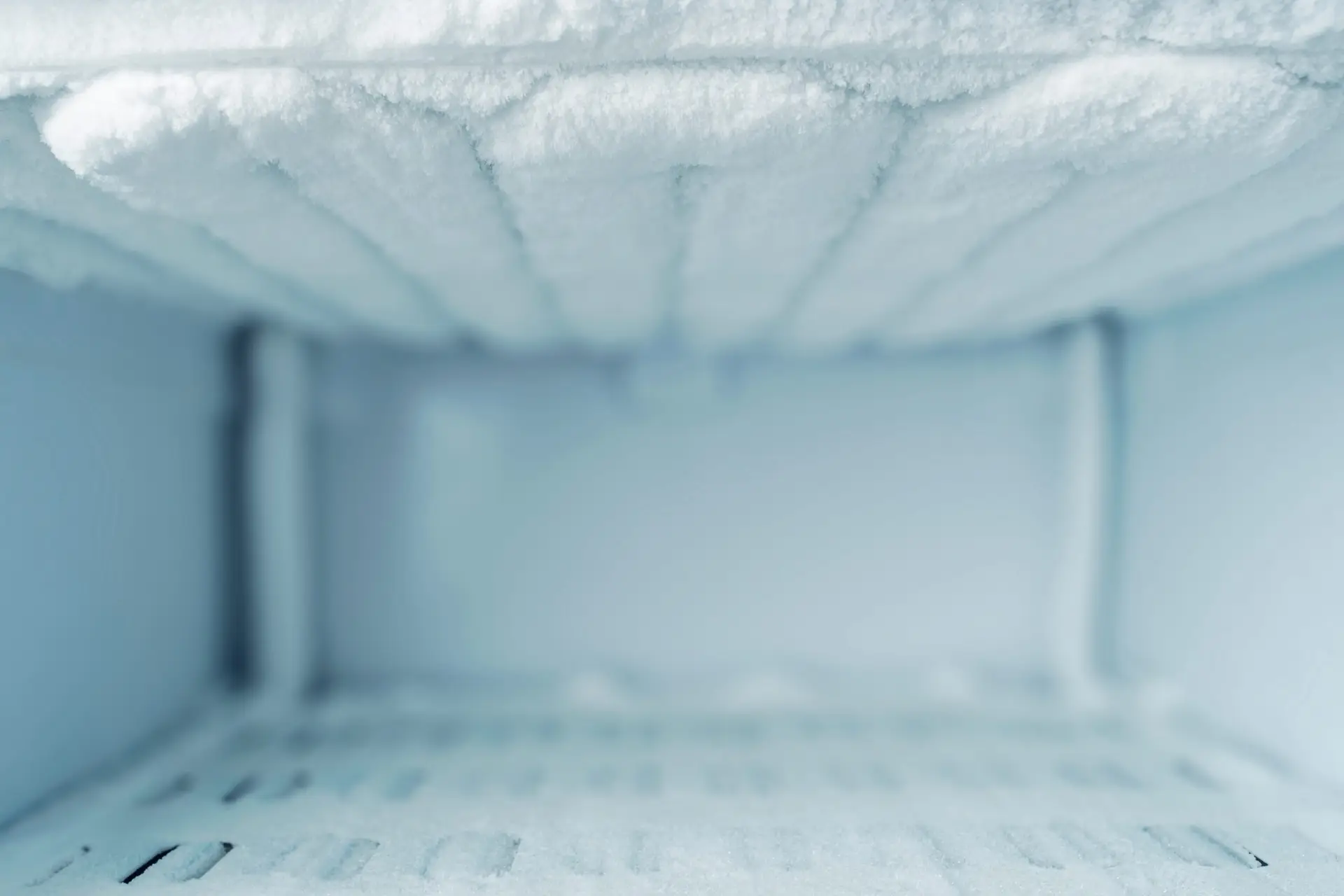
Freezers are built to keep food safe and stable, but over time many homeowners notice a growing frost problem inside. At first, it may look harmless. However, that thin layer of ice can slowly turn into thick buildup that affects performance. At JAY Appliance Repair, we often see how this issue starts small but quickly becomes frustrating.
In many cases, frost buildup is not just about cold air. Instead, it usually points to airflow problems, moisture entering the unit, or components that are no longer working properly. Therefore, understanding the cause early can help you avoid bigger repair issues later.
Why Frost Forms Inside a Freezer
Frost develops when warm, moist air enters the freezer and then freezes on contact with cold surfaces. This happens more often than people realize. For instance, opening the door frequently or leaving it slightly open allows humidity to enter and settle inside.
However, the freezer is designed to manage this moisture through a defrost system. When that system does not work properly, frost begins to collect. As a result, the buildup becomes thicker over time and starts affecting shelves, vents, and stored food.
Another common cause is damaged door seals. If the gasket is loose or cracked, warm air keeps leaking inside. Consequently, the freezer works harder while frost keeps forming without stopping.
The Hidden Problems Behind Frost Buildup
Frost may seem like a cosmetic issue, but it often signals deeper problems. Most importantly, it can block airflow inside the freezer. When vents are covered in ice, cold air cannot circulate properly. Therefore, some areas become too warm while others freeze excessively.
In addition, frost buildup puts extra strain on the appliance. The compressor runs longer to maintain temperature, which increases energy use. Over time, this can lead to wear on important parts.
We often guide customers through early signs during regular maintenance or when they reach out through appliance repair services. That is to say, catching these issues early helps prevent full system failure.
Defrost System Failures Explained
Modern freezers rely on automatic defrost systems to prevent ice buildup. This system includes heaters, timers, and sensors that work together. However, when one of these parts fails, frost starts to accumulate.
For example, a faulty defrost heater cannot melt ice during the cycle. As a result, layers of frost keep growing behind panels and around coils. Similarly, a broken defrost timer may stop the cycle from starting at all.
In some cases, sensors fail to detect temperature changes. Consequently, the system never activates when needed. This is why frost problems often require professional diagnosis instead of simple cleaning.
Everyday Habits That Make Frost Worse
Sometimes the issue is not mechanical but related to daily use. Small habits can slowly increase frost buildup without being noticed. For instance, placing hot food directly inside the freezer adds extra moisture. That moisture quickly turns into ice.
Likewise, keeping the door open for too long allows humid air to enter. Over time, this repeated exposure leads to noticeable frost layers. In the same vein, overloading the freezer can block vents and reduce airflow.
Another overlooked habit is ignoring minor frost early on. What starts as a thin layer can turn into a thick sheet of ice. Therefore, regular checks help keep the freezer working efficiently.
When Frost Starts Affecting Performance
As frost builds up, the freezer’s performance begins to drop. First, you may notice uneven cooling. Some items stay frozen while others soften slightly. However, the problem does not stop there.
Eventually, drawers may become difficult to open due to ice buildup. In addition, the freezer may produce unusual noises as airflow becomes restricted. These signs often indicate that the issue has progressed beyond simple maintenance.
At this stage, it is best to explore solutions like freezer repair in Edmonton before more damage occurs. Above all, acting early reduces the risk of costly part replacements.
Simple Ways to Prevent Frost Problems
Preventing frost buildup is easier than dealing with major repairs later. Firstly, always ensure the freezer door closes tightly. Checking the gasket regularly can stop air leaks before they start.
Secondly, allow food to cool before placing it inside. This reduces the amount of moisture entering the unit. Moreover, organizing items properly helps maintain airflow and prevents blockages.
It is also helpful to clean the freezer periodically. Removing small frost layers early keeps them from turning into larger problems. In addition, keeping vents clear ensures consistent temperature throughout the unit.
Why Professional Help Makes a Difference
While some frost issues can be managed at home, others require expert attention. Diagnosing defrost system failures or internal airflow problems is not always simple. Therefore, professional inspection becomes important when frost keeps returning.
At JAY Appliance Repair, we handle these issues by identifying the root cause instead of just removing ice. That is to say, proper repair ensures the problem does not come back again.
Most importantly, timely service protects the lifespan of your freezer and keeps food stored safely. As a result, you avoid both inconvenience and unnecessary expenses.
FAQs
What causes frost to build up quickly in a freezer
Frost builds up quickly when warm air enters the freezer or when the defrost system is not working. Frequent door openings, damaged seals, or placing hot food inside can all speed up the process.
Is frost inside a freezer normal
A small amount of frost can be normal. However, thick or recurring buildup usually means there is a problem with airflow, seals, or the defrost system that needs attention.
Can I fix freezer frost myself
You can remove frost by defrosting the freezer and checking door seals. However, if the frost returns quickly, the issue may involve internal components that require professional repair.
How often should I defrost my freezer
Manual defrosting depends on usage, but it is generally recommended when frost reaches about a quarter inch thick. Regular checks help prevent heavy buildup.
Does frost affect food quality
Yes, excessive frost can affect food by causing freezer burn and uneven temperatures. Over time, this can reduce food quality and lead to waste.
You can read more about our services here: Alberta Business Beat, Your Local Biz, Post Of The Day, Canada Biz Portal, The Canada Best, Calgary Best, The Daily Local.

