
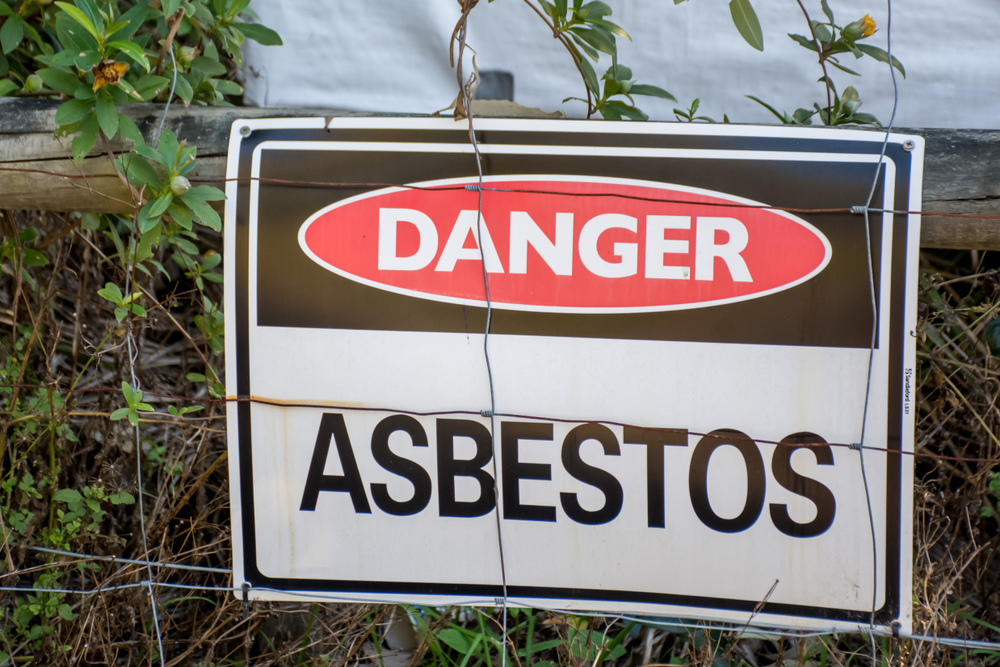
Asbestos abatement is a complex and carefully regulated process that protects building occupants, workers, and the environment from exposure to harmful asbestos fibers. Whether it’s an old home, office, or industrial property, asbestos removal requires a methodical approach that follows safety standards from start to finish. Here we walk through each step of the process clearly, so you know what to expect if asbestos is found in your building.
Understanding What Asbestos Abatement Means
Asbestos abatement refers to the process of identifying, containing, and safely removing asbestos-containing materials (ACMs). These materials were commonly used in older buildings for insulation, fireproofing, and sound absorption. The danger lies in the fibers that can become airborne when disturbed. Once inhaled, these fibers may lead to serious respiratory diseases.
We always begin by confirming whether asbestos is actually present. Not every old material contains asbestos, and testing is essential before starting any renovation or demolition work. When asbestos is confirmed, we plan the abatement according to the size of the area, the type of material, and how easily fibers could become airborne.
For professional asbestos removal in Calgary, it is essential to follow provincial safety standards, including proper containment and disposal procedures.
Step 1: Initial Inspection and Assessment
Every project begins with a detailed site inspection. Certified inspectors examine the building to locate potential asbestos-containing materials. Common areas include pipe insulation, ceiling tiles, floor tiles, drywall compound, and older siding.
Samples are collected carefully and sent to a certified laboratory for analysis. This step ensures the removal process is based on evidence rather than assumption. Once the results are confirmed, the findings are documented in a report outlining where asbestos is located, its condition, and the best way to manage it.
A professional assessment also determines whether abatement, encapsulation, or enclosure is the most practical solution. Not all asbestos must be removed; if the material is intact and not disturbed, it may sometimes be safer to leave it in place under controlled monitoring.
Step 2: Preparing the Work Area
Preparation is one of the most critical stages of asbestos abatement. It ensures that the fibers do not spread beyond the designated work area. We begin by sealing off the space using plastic sheeting and negative air pressure machines that prevent airborne fibers from escaping.
All heating, ventilation, and air conditioning systems are turned off or sealed to stop contamination from traveling through ducts. Warning signs are placed around the area to alert anyone nearby. Workers wear protective suits, gloves, and respirators, ensuring no fibers come in contact with their skin or lungs.
Decontamination units are set up outside the work zone, allowing workers to safely remove protective gear and shower before leaving the area. Every step of preparation aims to contain asbestos completely before removal begins.
Step 3: Removal or Encapsulation of Asbestos
Once containment is secure, the actual abatement begins. Depending on the condition and type of asbestos material, removal or encapsulation may be chosen.
Removal involves carefully wetting the asbestos-containing material to minimize fiber release. The dampened material is then gently scraped, cut, or detached using specialized tools. Every piece is double-bagged in labeled, leak-proof containers for proper disposal.
Encapsulation, on the other hand, means applying a sealant that binds asbestos fibers together. This option is often used for materials in good condition that would be difficult or unsafe to remove completely. The sealant prevents fibers from becoming airborne, reducing the risk of future exposure.
Every method used must comply with Alberta’s occupational health and safety regulations, which set strict rules for handling, labeling, and disposing of asbestos materials.
Step 4: Cleaning and Decontamination
After the asbestos materials are removed or sealed, cleaning begins. This phase is meticulous and time-consuming because even a small amount of leftover dust can pose health risks.
We use HEPA-filtered vacuums designed specifically for asbestos cleanup. These vacuums can capture microscopic fibers that regular vacuums would simply spread back into the air. The entire area, including walls, floors, and any nearby surfaces, is wiped down using wet cleaning methods.
Once visible dust and debris are cleared, air scrubbers continue to run to remove airborne particles. Every step is documented to show that the cleanup meets safety standards.
Decontamination areas are also cleaned, and protective gear is disposed of safely according to local environmental rules.
Step 5: Post-Abatement Air Testing
This step ensures that the air in the work zone is safe to breathe again. Air testing is conducted by an independent third-party laboratory to verify that asbestos fiber levels are below the allowable limit.
If any elevated readings are detected, additional cleaning and testing continue until the results meet regulatory standards. No area is reopened or approved for re-occupancy until it passes this verification process.
This final clearance is essential because it guarantees that the space is free of asbestos contamination and safe for normal use.
Step 6: Waste Disposal
Asbestos waste cannot be thrown away with regular garbage. It must be transported to a licensed disposal facility that handles hazardous materials.
We seal the asbestos waste in double-layered, labeled containers to prevent leaks. Transport is handled by certified carriers following provincial environmental regulations. Once delivered, the facility records the disposal to ensure traceability.
This documentation not only proves compliance but also protects property owners from liability in the future. Proper disposal is as important as removal because mishandling asbestos waste can harm communities and the environment.
Step 7: Final Report and Documentation
After all work and testing are completed, a comprehensive report is prepared. This document outlines the entire abatement process, including:
- The locations and quantities of asbestos removed
- Methods used for containment and disposal
- Air quality test results
- Disposal receipts and environmental compliance records
Property owners should keep this report permanently. It provides proof of safe asbestos removal, which can be valuable for insurance, real estate transactions, or future renovations.
How Homeowners Can Prepare for Asbestos Abatement
Before abatement begins, homeowners can take a few steps to make the process smoother. Removing personal belongings from the area helps prevent accidental contamination and gives workers clear access. It’s also best to plan temporary accommodation if the work involves large areas or essential spaces like kitchens or bathrooms.
If possible, discuss the schedule in advance. Knowing when to vacate and return helps minimize disruption and ensures the process stays on track. Open communication between the homeowner and the abatement team ensures safety and efficiency.
Common Challenges During Asbestos Removal
Even with careful planning, certain challenges can arise. In older properties, asbestos materials might be hidden behind walls or under multiple flooring layers. Unexpected discoveries can extend the timeline and cost, which is why thorough inspection matters so much.
Moisture or structural damage can also complicate removal because wet or deteriorated materials are harder to handle safely. In these situations, we may need to adjust containment areas or modify removal techniques.
A professional team will always reassess the situation on site and take the safest route. Transparency about findings and decisions builds trust and ensures that the property owner understands what’s being done at every stage.
Why Proper Asbestos Abatement Matters
Asbestos abatement is more than just a renovation step. It’s a health and safety process that prevents long-term risks. Inhaling asbestos fibers has no immediate symptoms, but diseases like mesothelioma or asbestosis can develop decades later.
Removing asbestos safely not only protects your household or employees today but also preserves the property’s value for the future. It also ensures compliance with local laws, avoiding fines or penalties that could result from unlicensed work.
When handled correctly, asbestos abatement gives peace of mind that the environment is clean, safe, and ready for any future upgrades or construction.
When to Call a Professional
You should never attempt to remove asbestos on your own. Even small mistakes can release fibers into the air and spread contamination. Professionals have the right equipment, training, and certifications to perform this work safely.
If you suspect that materials in your home contain asbestos, the safest step is to schedule a professional inspection. For trusted asbestos removal in Calgary, certified experts follow the full containment and clearance process from start to finish.
If you need assistance or have concerns about your property, you can always contact us to arrange a site assessment or ask questions about the process.
Practical Tips for Safer Asbestos Handling
Here are some insights that go beyond the basics:
- Avoid drilling or sanding unknown materials. Even minor activities like hanging shelves can release asbestos fibers if the material underneath contains asbestos.
- Keep records of every asbestos inspection. Having an up-to-date asbestos register helps prevent accidental disturbance during future maintenance.
- Ventilate only after clearance. Opening windows or using fans before the air test passes can spread residual fibers into clean areas.
- Plan ahead before renovations. Asbestos testing should always happen before demolition or remodeling begins, not after.
- Use only certified disposal bags. Regular garbage bags are not designed to contain asbestos fibers securely.
These small precautions make a big difference in reducing exposure risks during and after abatement.
FAQ
1. How long does asbestos abatement take?
The timeline depends on the size of the area and the type of materials involved. Small residential projects may take a few days, while larger buildings can take several weeks.
2. Is asbestos always dangerous?
Asbestos is only dangerous when its fibers become airborne. Intact materials that are not disturbed generally pose no immediate risk, but testing is the only way to be sure.
3. Can I stay in my house during abatement?
In most cases, you will need to leave temporarily while the work is being done. This ensures complete safety and prevents accidental exposure.
4. How much does asbestos removal cost?
Costs vary depending on the amount and location of asbestos. Factors like accessibility and testing requirements also affect the total. A professional inspection provides the most accurate estimate.
5. What happens after the removal is finished?
After cleanup and air testing, a final report is issued confirming that the area meets safety standards and is safe for re-occupancy. Keep this document for your records.

