
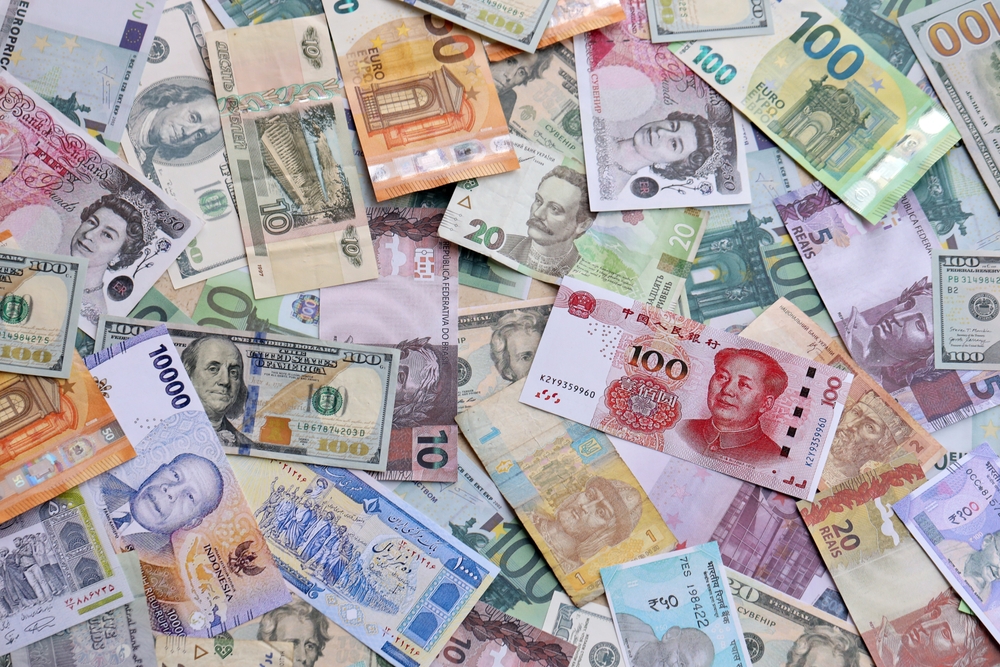
When we travel, send money abroad, or make international purchases, every small difference in exchange rates matters. Getting the most value on foreign currency is not just about finding the lowest rate once, it’s about understanding timing, fees, and habits that protect our money. With a bit of preparation and awareness, we can save more than most people realize.
Understand the Real Exchange Rate
Every currency exchange starts with a benchmark rate called the mid-market rate. This is the true value of one currency against another, and it changes every second. The problem is that most banks and money changers add a margin to this rate. That means if the actual market rate is 1.36, we might get 1.32 or 1.30, depending on the provider.
The first step toward getting better value is knowing what the real rate looks like before exchanging. Checking a trusted financial website or a real-time currency converter gives us a fair comparison. When we know the true rate, we can recognize when an offer is good or when it includes a large hidden markup.
Compare Providers Before Exchanging
Different services charge differently for the same transaction. Banks often charge higher service fees and offer less favorable rates, especially for small amounts. Independent exchange offices and licensed currency services usually provide more competitive options.
If we are looking for reliable currency exchange in Calgary, the key is to compare multiple rates before settling on one. Many providers list their daily rates online. Taking a few minutes to review and call ahead to confirm helps avoid surprises. Even a one percent improvement in the rate can make a noticeable difference when exchanging large sums for travel, tuition, or investments.
Avoid Airport and Hotel Exchanges
Airports and hotels are known for convenience but rarely for value. Their rates are often much worse than those of city exchange offices or dedicated forex providers. These locations profit from travelers who are short on time.
It is better to plan in advance and exchange currency before reaching the airport. If we must exchange there, we should limit it to a small amount—just enough for transportation or essentials—and wait to complete the larger exchange at a more favorable location.
Choose the Right Time to Exchange
Currency values move constantly due to global events, interest rate changes, and market sentiment. For frequent travelers or people who need foreign currency regularly, timing can make a big difference.
If we follow currency trends, we may notice seasonal or political factors that influence the rates. For example, the Canadian dollar may strengthen in months when oil prices rise, while certain holidays or financial reports can temporarily affect other currencies.
We cannot predict markets, but we can avoid poor timing. Exchanging gradually rather than all at once—known as dollar-cost averaging—reduces risk. This approach balances the highs and lows over time, leading to a fair average rate.
Watch Out for Hidden Fees
Exchange services sometimes advertise “no commission” or “zero fee” rates. However, costs can still be built into the exchange rate itself. A slightly worse rate can hide a service charge that looks invisible on paper.
We should always look at the final amount we will receive, not just the rate displayed. Asking for a full quote helps us compare options correctly. Some banks also charge additional international or administrative fees after the transaction, so confirming all costs upfront avoids unpleasant surprises later.
Use Local Currency When Abroad
When traveling, stores and ATMs abroad often offer to charge us in Canadian dollars rather than the local currency. This might sound simpler, but it usually leads to poor exchange rates. The process, called dynamic currency conversion, allows the foreign merchant’s payment processor to set the rate—and it is rarely favorable.
To avoid this, always choose to pay in the local currency of the country you are visiting. Our bank or card issuer will handle the conversion, and their rate is almost always better than the merchant’s.
Avoid Using Credit Cards with Foreign Transaction Fees
Many credit cards add a two to three percent fee on foreign transactions. It may not sound like much, but it adds up quickly on a long trip. If we travel often, choosing a credit card that waives these fees is worth it.
It is also wise to use credit cards only when necessary. Local cash payments often avoid extra conversion fees and are accepted in more places, especially small markets or taxis. Having local currency ready saves both time and money.
Monitor Exchange Rate Alerts
Online tools and mobile apps allow us to set exchange rate alerts. These alerts send notifications when a currency reaches a target rate. This simple habit lets us take advantage of favorable movements without checking constantly.
For example, if we know we will need US dollars next month, setting an alert for a better CAD to USD rate can help us act when the time is right. Many exchange services and banks offer this feature for free, and it’s a useful way to stay informed without effort.
Use a Trusted Local Service
Local providers who specialize in foreign currency often understand the community’s needs better than large institutions. They can guide us toward the best way to handle both small exchanges for travel and large ones for business or study.
Having a relationship with a local office also means faster service, consistent communication, and better flexibility. Providers familiar with regular clients sometimes offer better deals for repeat customers or large sums.
Combine Cash and Digital Transfers Wisely
Depending on our purpose, we can use a mix of cash exchange and online transfers. Cash is ideal for immediate use abroad, while digital transfers are better for payments, tuition, or supporting family overseas.
When using online services, we should check whether the provider uses mid-market rates or adds hidden margins. A transparent exchange platform will clearly show how much the recipient receives after fees. For local cash exchange, visiting an office with posted daily rates ensures transparency.
Understand Market Spreads
Every exchange rate has two prices: the buy rate and the sell rate. The difference between them is called the spread. A smaller spread means better value for both sides.
When comparing providers, the spread tells us how competitive the service really is. Some offices might advertise high rates but also maintain wide spreads that reduce the real value. Paying attention to this detail helps us select fair and consistent services over time.
Avoid Emotional or Last-Minute Decisions
Many people wait until the day before travel to buy foreign currency, when they have no choice but to accept whatever rate is available. Emotional decisions often lead to unnecessary losses.
We can plan ahead by exchanging in stages, following the market, and budgeting early. This habit turns a stressful task into a routine part of travel planning. The difference might seem small per transaction, but over years, it adds up to hundreds or even thousands of dollars saved.
Leverage Local Expertise
If we are unsure about timing or the right currency options, it helps to ask for guidance from a local expert who deals with exchanges daily. Many offices welcome questions and provide insights about current trends, regional factors, or short-term forecasts.
People who manage currency every day can often spot patterns the public overlooks. Asking simple questions about when to exchange or which denominations to take abroad can lead to smarter, safer travel.
When in Doubt, Ask Questions
Clear information prevents costly mistakes. Before making any transaction, we should confirm the rate, fees, denominations available, and what identification is required. Reliable exchange offices appreciate informed clients and are transparent with their answers.
If a service avoids answering direct questions about rates or fees, that is a sign to look elsewhere. Trust comes from clarity, and we should always feel comfortable asking questions before handing over money.
Stay Informed About Policy Changes
Governments sometimes adjust foreign exchange regulations, affecting how much currency we can carry or transfer abroad. Keeping track of these updates protects us from penalties or delays.
Before large exchanges or trips, checking official travel advisories or financial institution updates ensures compliance. It’s a small step that keeps everything smooth from start to finish.
Be Mindful of Safety
Carrying large amounts of cash always involves some risk. When exchanging significant sums, it’s better to do so in a secure environment and avoid sharing details publicly. Many services also allow advance booking or private appointments for large exchanges.
If we must carry cash, dividing it between a few secure spots, like a travel wallet and a hidden pouch, adds an extra layer of protection. Awareness and calm handling go a long way in keeping both money and peace of mind safe.
Use Seasonal Opportunities
Certain times of the year, such as after major holidays or during travel off-seasons, can bring small but useful advantages in exchange rates. Fewer travelers mean lower demand, which can occasionally lead to slightly better offers at local exchanges.
While not a major factor, paying attention to these patterns can help frequent travelers or business owners gain steady long-term value.
Ask for Better Rates for Larger Amounts
When exchanging a substantial amount, we can sometimes negotiate for a better rate. Many exchange offices offer tiered pricing, where higher amounts qualify for better rates automatically.
It never hurts to ask if a small improvement is possible when exchanging larger sums. A polite question can lead to meaningful savings, especially for tuition, investments, or property-related transactions.
Always Keep Proof of Exchange
Keeping receipts from every exchange helps track spending and rates for future reference. It also simplifies returns or conversions of leftover currency after travel.
Good recordkeeping gives us a clearer picture of how rates fluctuate and can improve future decisions. It also provides proof if authorities or banks request verification for larger sums.
Reach Out for Professional Guidance
If we are preparing for a major exchange or need personalized advice about timing or rate trends, it’s best to talk directly with a local expert. We can always contact us for questions or guidance before making any exchange. A quick conversation can prevent common mistakes and help us get the best value possible.
FAQ
1. How can I know if I am getting a fair exchange rate?
Compare the rate you are offered with the real-time mid-market rate from a financial website. If the difference is large, the markup is high.
2. Is it better to exchange money in Canada or abroad?
In most cases, exchanging in Canada before travel provides more control, better rates, and avoids poor airport exchanges.
3. How much cash should I take when traveling?
Carry only what you need for small purchases or emergencies. Use a mix of cash, card, and digital options for flexibility and safety.
4. Can I return unused foreign currency?
Yes, most exchange offices will buy back unused bills, but the buyback rate may differ slightly from the selling rate. Keep your receipt to make this process easier.
5. Why do rates change every day?
Currency values depend on international trade, economic data, and global events. These factors constantly shift supply and demand, changing rates daily.

