
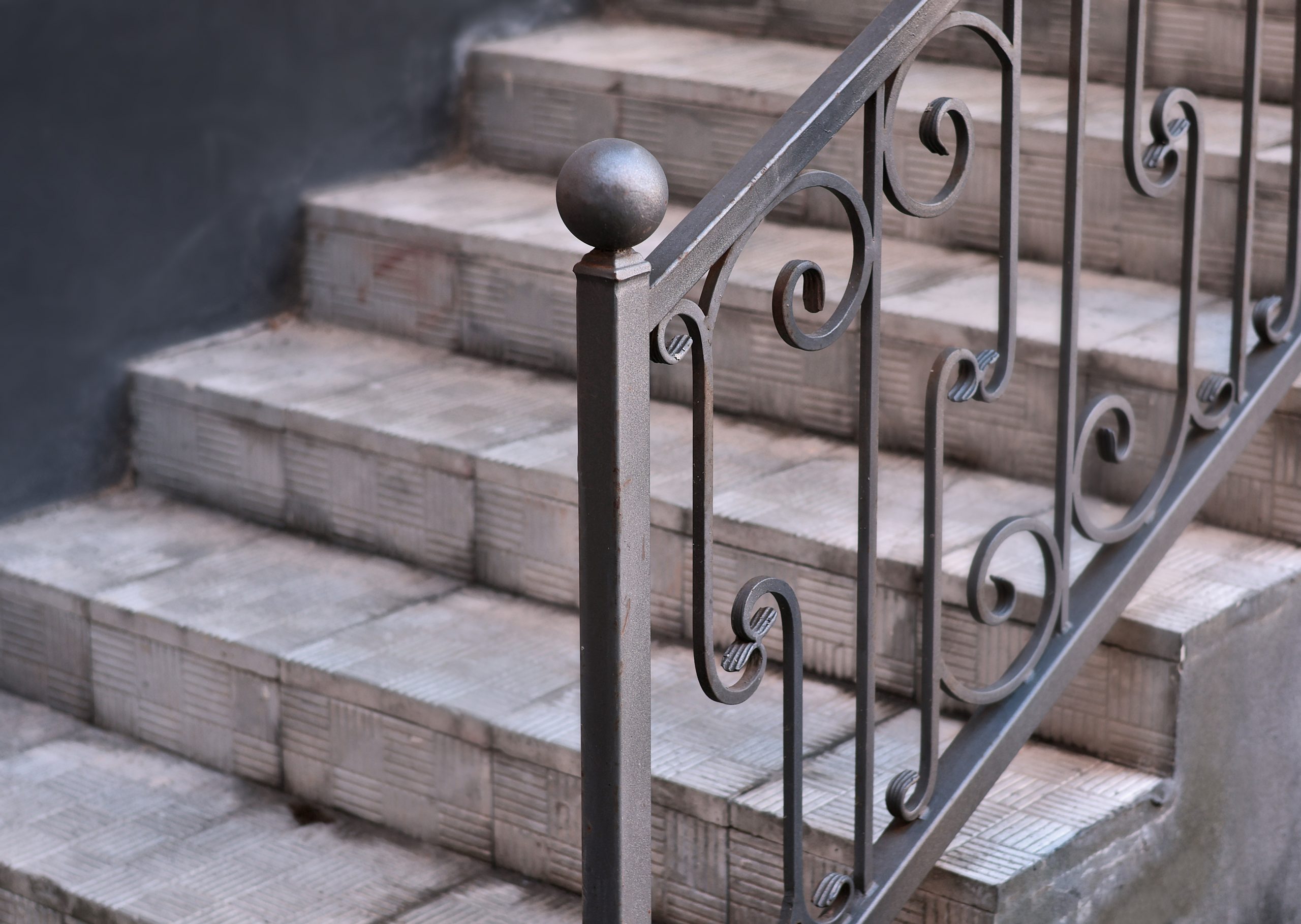
Every business that relies on metal parts, equipment, or structures eventually faces a choice between standard, off-the-shelf components and custom fabrication. Custom metal fabrication might sound complex, but in practice, it is a process designed to make operations smoother, products stronger, and results more reliable. Understanding how it helps and when it makes sense can help companies save money and time while getting better outcomes.
Understanding Custom Metal Fabrication
Custom metal fabrication involves designing and building metal components tailored specifically to a project’s requirements. Instead of adapting a standard product to fit an application, a custom-fabricated piece is built from the ground up to match what the job demands. It can involve cutting, welding, bending, forming, or assembling metals into structures or parts with specific properties.
For companies that depend on precision or have unique environmental or load conditions, this approach provides control over every element of the design and build. Custom fabrication allows for choosing the exact materials, thickness, coatings, and finishes that best suit the task.
Improved Durability and Strength
One of the strongest arguments for custom fabrication is long-term durability. When a component is made specifically for the conditions it will face, its lifespan increases significantly. In industries where equipment is exposed to vibration, moisture, or high temperatures, small differences in material selection or weld quality can make a major difference.
With custom fabrication, the fabricator chooses metals and techniques that prevent corrosion, resist fatigue, and handle repeated stress without warping. For example, stainless steel might be selected for chemical resistance, while aluminum might be used where weight matters most. Over time, stronger components mean fewer replacements and less downtime for repairs.
Enhanced Design Flexibility
Standard metal parts can limit creativity or efficiency. Custom fabrication eliminates those limits by allowing complete control over size, shape, and function. Engineers and designers can collaborate with fabricators early in the process to refine their ideas into workable solutions.
That flexibility supports innovation. It allows new designs that improve safety, performance, or efficiency without needing to fit into predefined dimensions. Whether building a new production line, developing a piece of industrial equipment, or creating a one-of-a-kind architectural element, custom fabrication ensures the design supports the function, not the other way around.
Cost Efficiency Over Time
At first glance, custom fabrication might seem more expensive than buying prefabricated parts. However, the real cost picture becomes clearer over time. Standard parts often require modifications, adapters, or multiple replacements. Custom pieces, designed for exact performance, reduce those issues.
Custom fabrication also minimizes waste. When materials are ordered and cut to precise specifications, there is less scrap, fewer offcuts, and a lower chance of error. That precision saves both time and raw materials, especially for large production runs.
In the long term, fewer repairs, longer part life, and better performance usually offset the higher upfront investment. Businesses often find that the total cost of ownership is much lower than when they rely on generic parts.
Better Fit and Compatibility
Equipment rarely operates in isolation. Machines, enclosures, and systems need components that fit together perfectly. A small misalignment can create vibration, leaks, or uneven wear. Custom fabrication eliminates those problems by producing parts that integrate seamlessly into existing systems.
By collaborating closely with designers and engineers, fabricators ensure that every dimension is verified before production. The result is a perfect fit that reduces installation time, eliminates rework, and improves safety.
That accuracy becomes especially valuable in complex systems where one adjustment can affect multiple connected parts. Precision fabrication avoids those chain reactions, allowing the entire system to function as designed.
Consistency and Quality Control
Consistency is a major advantage of working with a skilled fabrication team. Each piece goes through the same controlled process, ensuring uniformity across multiple components or batches. This consistency matters most when parts are used in systems that rely on exact tolerances.
Fabricators typically use advanced computer-aided design (CAD) and computer numerical control (CNC) equipment to maintain those standards. The result is repeatable precision that manual cutting or fitting cannot achieve. Every weld, bend, and hole is made to the same high level of accuracy.
For industries like manufacturing, construction, and energy, consistent quality translates directly into operational reliability. The fewer variations between components, the smoother the system performs.
Local Availability and Shorter Lead Times
Relying on imported or standard metal parts can create delays, especially when supply chains slow down. Custom fabrication within the region provides faster turnaround times. When companies order custom parts locally, communication is easier, changes can be made quickly, and shipping costs decrease.
Many businesses in Ontario already benefit from working with specialists who provide metal fabrication in Toronto. Local expertise means faster coordination, reduced delivery times, and reliable access to replacement parts or adjustments when needed. That level of responsiveness is difficult to achieve when ordering prefabricated parts from distant suppliers.
Tailored Finishes and Aesthetics
For businesses where appearance matters as much as function, custom fabrication offers control over finishing touches. Polishing, painting, powder coating, or anodizing can all be applied to create the desired texture or color while protecting the metal underneath.
Architectural projects often use custom finishes to match a brand’s visual identity or to blend seamlessly with other materials like glass or wood. In manufacturing, finishes can serve practical purposes such as reducing friction, improving heat resistance, or preventing corrosion.
The ability to customize appearance and function together makes this process valuable across industries, from retail fixtures to industrial machinery.
Easier Maintenance and Repairs
When parts are designed to match equipment exactly, maintaining them becomes simpler. Maintenance teams can easily identify components, access them quickly, and replace them with identical pieces when necessary. This predictability reduces downtime and helps maintain production schedules.
Custom designs can also include features that make cleaning or servicing easier, such as removable panels or reinforced connection points. Thinking about maintenance during the design stage is one of the key advantages of working with experienced fabricators. It saves time later when the equipment is in daily use.
Sustainable Material Use
Sustainability is becoming a priority in every industry, and metal fabrication can contribute to that goal. Custom fabrication helps minimize waste and encourages the reuse of scrap material. By tailoring each project to the exact requirements, there is less leftover metal and less energy wasted on unnecessary machining.
Additionally, many metals such as steel and aluminum can be recycled indefinitely without losing strength or quality. Choosing recycled metals or optimizing material use supports environmental goals while keeping costs competitive.
Improved Safety
Safety often depends on how well a part fits and performs under stress. Custom fabrication ensures that every element meets the specific safety requirements of the environment where it will be used. This includes selecting the right materials, reinforcing structural points, and designing for proper weight distribution and load-bearing capacity.
When custom fabrication is done properly, the result is safer equipment and fewer risks of mechanical failure. Workers operate with confidence knowing that every piece was built with their protection in mind.
Technological Integration
Modern fabrication goes beyond cutting and welding. It includes digital modeling, automation, and precision robotics. These technologies allow designers and fabricators to predict how materials will behave before production starts. Adjustments can be made digitally, reducing trial-and-error time.
This integration helps businesses upgrade systems and adapt to new technologies. For instance, when installing new automation equipment or integrating sensors, a custom bracket or frame can be designed specifically for the new system. That adaptability is key in industries that are moving toward smarter and more connected manufacturing environments.
Collaboration and Problem Solving
A lesser-known benefit of custom fabrication is the partnership it creates between businesses and fabricators. Instead of simply placing an order, companies work directly with experts who understand materials, processes, and potential design improvements.
That collaboration often leads to better solutions than the original concept. Experienced fabricators can identify ways to strengthen a design, simplify manufacturing, or lower costs without compromising quality. The process becomes a shared effort to produce the best result, not just a transaction.
How to Get the Most from Custom Fabrication
Businesses that want to make the most of custom fabrication can start by clearly defining their project goals. Understanding what matters most—whether it is cost, strength, weight, or speed—helps guide material and design choices.
Next, sharing detailed drawings or models allows fabricators to identify potential issues early. Good communication is essential. When both sides collaborate closely, the final result matches the intended design exactly.
Finally, it helps to work with professionals who can provide both design support and production capabilities. Those who specialize in metal fabrication can take a project from concept to completion efficiently, without the need to coordinate between multiple suppliers.
If your business is considering a project and needs expert advice or a detailed estimate, you can contact us to discuss your requirements with a professional team.
FAQ
What industries benefit most from custom metal fabrication?
Manufacturing, construction, energy, and transportation often rely on custom fabrication for specialized equipment and structural components. However, almost any business that needs durable, precise, or uniquely shaped metal parts can benefit.
Is custom fabrication only for large projects?
Not necessarily. Many small projects, such as custom brackets, signs, or enclosures, can be fabricated efficiently and affordably. The process scales to fit the scope of the project.
How long does custom fabrication take?
Timeframes vary depending on design complexity and material availability. Simple parts might be completed in days, while larger or more intricate builds may take several weeks.
What materials are commonly used in custom fabrication?
Steel, aluminum, and stainless steel are the most common. Each has specific advantages in terms of strength, corrosion resistance, and weight. The choice depends on how and where the final product will be used.
Can existing designs be modified during fabrication?
Yes. Fabricators often refine or adjust designs based on real-world conditions or performance requirements. That flexibility ensures the finished product meets both functional and practical needs.

