
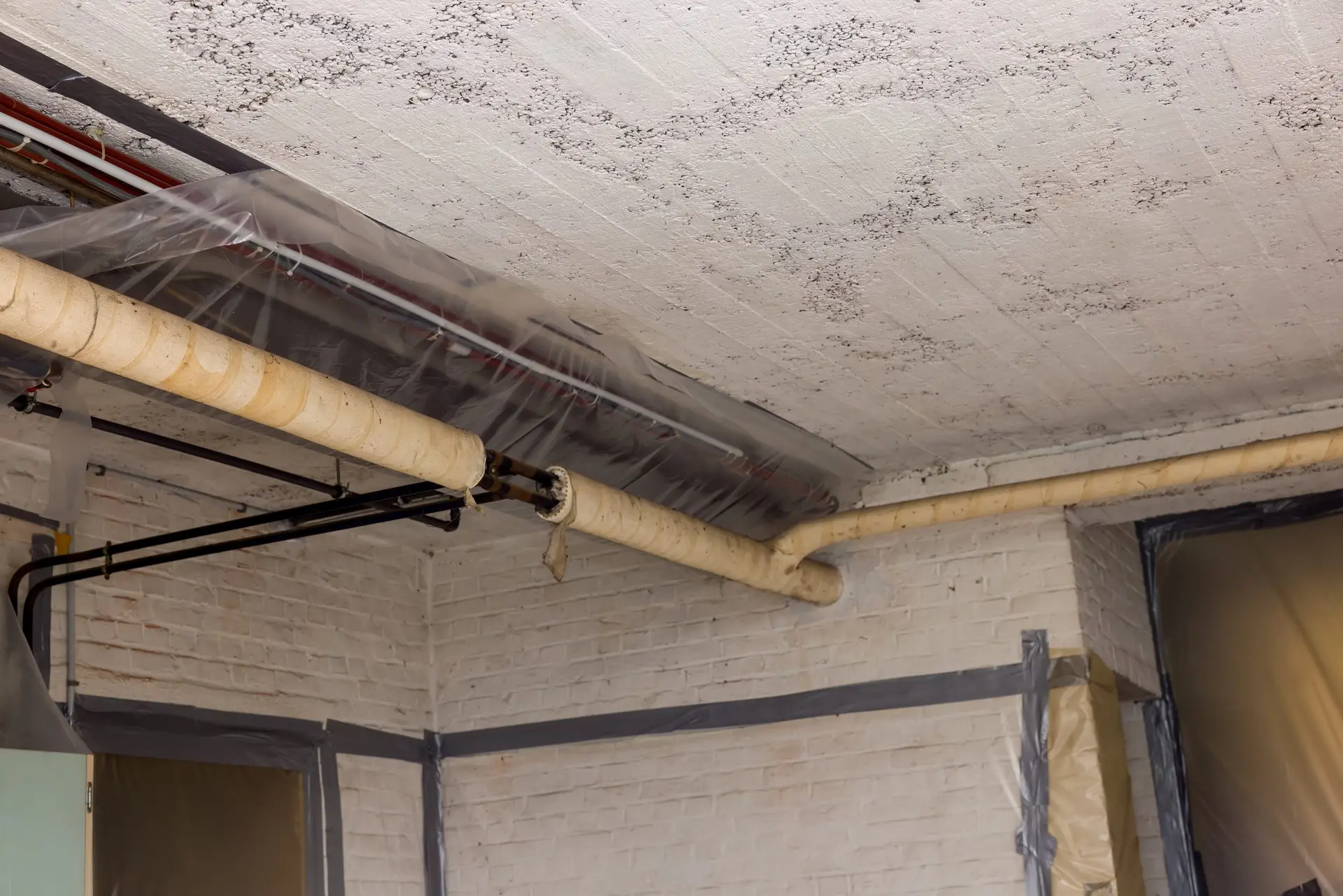
Many property owners believe their buildings are safe because everything looks clean and intact. However, hidden materials inside walls, ceilings, or flooring can tell a different story. A simple inspection or material sample sometimes reveals asbestos that has been sitting unnoticed for decades. Therefore, even buildings that appear well maintained can still contain hazardous materials.
Envirotech Abatement & Remediation has seen many cases where a routine inspection uncovered asbestos in places homeowners never expected. Most importantly, identifying the problem early allows the proper steps to be taken before the material becomes dangerous. Testing may seem like a small step, yet it often prevents major health and safety risks later.
Why Asbestos Often Remains Hidden for Years
Asbestos was widely used in construction materials for many decades. For example, insulation, ceiling tiles, drywall compounds, and flooring adhesives commonly contained asbestos fibers because the material was durable and heat resistant. However, these materials can remain hidden behind walls or under surfaces for many years.
In many cases, property owners only discover asbestos during renovations or repairs. Subsequently, a small test sample taken from a suspect material reveals the presence of asbestos fibers. Because the material may look completely normal, the discovery can surprise many homeowners.
Buildings constructed before the 1990s are especially likely to contain asbestos products. Therefore, testing becomes an important step before beginning renovation or demolition work. Envirotech Abatement & Remediation frequently assists homeowners who want to confirm whether their materials contain asbestos before starting a project.
How a Simple Asbestos Test Works
Testing for asbestos is usually straightforward and carefully controlled. First, specialists identify materials that may potentially contain asbestos. For instance, textured ceilings, pipe insulation, or older floor tiles are common locations where asbestos may be found.
Next, a small material sample is carefully collected using protective procedures. Consequently, the sample is sealed and sent to a certified laboratory where experts analyze the material under specialized equipment. Laboratory analysis determines whether asbestos fibers are present.
When asbestos is confirmed, the next step involves planning safe handling or removal. In many cases, professional teams recommend controlled removal or containment to eliminate potential exposure. Information about proper removal procedures can be found through services such as asbestos abatement Calgary, which explains how hazardous materials are safely handled during remediation projects.
The Risks of Ignoring Hidden Asbestos
Asbestos becomes dangerous when its fibers are disturbed and released into the air. For example, drilling, sanding, or removing old building materials can release microscopic fibers. These fibers may remain airborne and can be inhaled without being visible.
Long term exposure to asbestos fibers has been associated with serious health conditions. Therefore, preventing exposure is one of the most important reasons for early testing and identification. Even small renovation projects can disturb asbestos materials if they are not properly identified beforehand.
Ignoring potential asbestos materials may also complicate renovation projects. Contractors may stop work once suspicious materials are discovered. Subsequently, testing and remediation become necessary before construction can continue.
Envirotech Abatement & Remediation helps property owners avoid these disruptions by identifying hazards early and creating safe plans for remediation. In addition, guidance and inspection services are available through their professional resources at Envirotech Abatement & Remediation, where property owners can learn about safe environmental remediation practices.
When Property Owners Should Consider Testing
Many people assume asbestos testing is only necessary for large construction projects. However, testing is often recommended in several common situations. For instance, homeowners planning to remove old flooring, ceiling materials, or insulation should consider testing first.
Likewise, water damage or structural repairs sometimes expose hidden building materials. During these repairs, previously sealed materials may become visible. Therefore, testing helps determine whether those materials contain asbestos before work continues.
Another situation occurs when purchasing older properties. Buyers sometimes request environmental inspections before completing a purchase. This step helps identify potential hazards that could affect renovation plans or long term safety.
Envirotech Abatement & Remediation regularly performs inspections for residential and commercial buildings. Above all, these inspections help property owners make informed decisions before beginning repairs, renovations, or demolition.
What Happens After Asbestos Is Discovered
Discovering asbestos does not always mean the entire building must be removed or demolished. In many cases, the material can be safely managed through professional remediation techniques. The proper approach depends on the material condition and location.
For example, intact materials that remain sealed may sometimes be safely contained. However, materials that are damaged or likely to be disturbed during renovations often require removal. Therefore, professionals evaluate the situation before recommending the safest solution.
Envirotech Abatement & Remediation focuses on controlled removal methods that protect both occupants and surrounding areas. Specialized containment systems, air filtration equipment, and protective procedures are commonly used during the remediation process.
Most importantly, professional remediation ensures asbestos materials are handled according to safety standards. This approach protects property owners, construction workers, and building occupants from unnecessary exposure.
Why Early Testing Prevents Bigger Problems
A small sample test may seem insignificant at first. However, that simple step can reveal hidden hazards before they become serious health concerns. Therefore, testing provides peace of mind for homeowners and building managers.
Early detection also prevents costly construction delays. When asbestos is identified before renovations begin, remediation can be planned properly. Consequently, construction projects can proceed safely without unexpected interruptions.
Envirotech Abatement & Remediation believes that awareness and early action are key to maintaining healthy buildings. Simple testing procedures often provide the information needed to protect both property and people.
FAQs
How can I tell if my home contains asbestos?
It is often impossible to identify asbestos materials by appearance alone. Therefore, professional testing is required to confirm whether building materials contain asbestos fibers.
Is asbestos dangerous if it remains undisturbed?
Asbestos materials that remain sealed and undisturbed are generally considered lower risk. However, renovations or damage can release fibers into the air, which is why testing and monitoring are recommended.
What types of materials commonly contain asbestos?
Common materials include insulation, floor tiles, textured ceilings, pipe insulation, and drywall compounds used in older buildings constructed before the 1990s.
How long does asbestos testing usually take?
The sample collection process is quick, and laboratory results are often available within a few days. However, timelines may vary depending on the number of samples and testing requirements.
What should I do if asbestos is found in my building?
The safest step is to consult certified remediation specialists. Professionals can evaluate the situation and determine whether containment or removal is the best solution.
You can read more about our services here: Alberta Business Beat, Your Local Biz, Post Of The Day, Canada Biz Portal, The Canada Best, Calgary Best, The Daily Local.

