
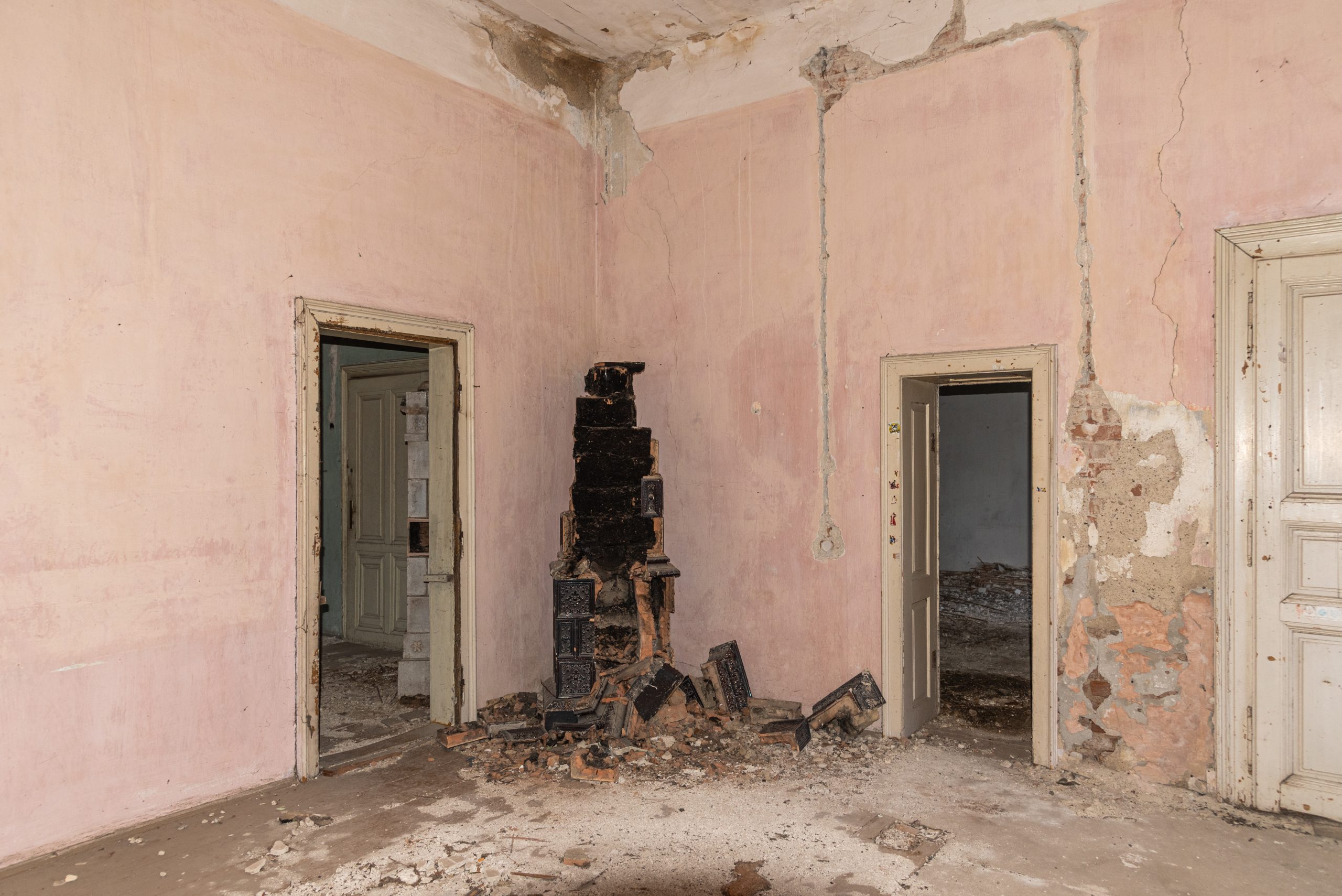
Home renovations often start with the goal of improving comfort, updating design, or repairing aging structures. However, older homes sometimes hide materials that can create serious health risks during construction. Lead paint is one of the most common hazards discovered once walls, doors, or trim begin to be removed. For decades it was widely used because of its durability and strong color coverage. Therefore, renovation work that disturbs these painted surfaces can release harmful dust into the air.
Many homeowners are surprised when the issue appears during demolition. As a result, sanding or removing painted surfaces may spread particles throughout the home before anyone realizes what has happened. This dust can travel into ventilation systems and nearby rooms. Consequently, residents may be exposed without knowing it.
Situations like this are where professionals such as YYC Asbestos Removal become important. Their experience helps homeowners identify hazardous materials safely and manage the situation before contamination spreads further through the property.
Why Lead Paint Becomes Dangerous During Renovation Work
Lead paint is not always dangerous when it remains intact. However, renovation activities such as cutting, sanding, or drilling can break the paint into tiny particles. These particles become airborne dust that can easily spread throughout a home. Consequently, rooms far from the renovation area may still be affected.
Once the dust settles, it can remain in the environment for long periods of time. For example, small particles can collect inside carpets, furniture, or ventilation ducts. Children and pets are especially vulnerable because they spend more time near floors where dust accumulates. Therefore, exposure may occur through inhalation or accidental ingestion.
Another concern is that symptoms of lead exposure often appear slowly. Homeowners may not realize that the renovation dust has created a health issue until much later. Because of this risk, inspections are often recommended before starting major remodeling work in older houses.
Professional assistance can help control the problem safely. Services such as hazardous material inspection and removal allow renovation work to continue only after potential contaminants are properly handled.
Where Lead Paint Is Commonly Found in Older Homes
Lead paint may exist in many parts of older houses, especially in homes built before modern safety regulations changed paint manufacturing. Window frames, doors, baseboards, and stair railings are common locations where older paint layers remain hidden under newer coatings.
These areas often experience frequent wear. As a result, paint may chip, crack, or peel over time. Renovation projects that involve replacing windows or repairing trim can expose the original layers beneath the surface. Similarly, sanding old surfaces for refinishing may release dust that had been sealed beneath later paint layers.
Walls and ceilings can also contain lead paint. During demolition, breaking drywall or plaster may expose painted surfaces that were never previously disturbed. In addition, built in cabinets and older wooden structures sometimes carry layers of paint applied decades ago.
When these materials appear during renovation work, it is important to stop and evaluate the situation. YYC Asbestos Removal frequently helps homeowners determine whether hazardous materials are present and what steps should be taken before construction continues.
Warning Signs That Lead Paint May Be Present
There are several signs that renovation work may have exposed lead paint. One of the most noticeable indicators is chalky residue left behind after sanding or scraping painted surfaces. This powder can spread easily and settle on nearby floors or furniture.
Another warning sign is paint that flakes into small scales. When these flakes break apart, they can release dust into the surrounding area. Renovation workers may also notice multiple layers of paint when cutting into trim or walls. Older paint layers often appear thicker and may contain materials used decades earlier.
Dust accumulation near the renovation area should also raise concern. If containment measures were not used during demolition, particles may travel through open doorways and air circulation systems. Consequently, dust may appear in rooms far from the construction zone.
Sometimes renovation work reveals more than one environmental issue. Moisture damage inside walls can lead to hidden mold growth, which may require professional removal. In those situations, services such as mold remediation in Calgary may also be necessary to restore safe indoor conditions.
Safe Methods for Removing Lead Paint During Renovations
Removing lead paint safely requires careful procedures and specialized equipment. The first step is usually isolating the work area to prevent contamination from spreading. Plastic barriers and sealed doorways help contain dust within the renovation zone.
Professionals also use tools designed to capture particles during cutting or sanding. These systems reduce the amount of dust released into the air. Workers often wear protective equipment to avoid breathing hazardous materials while the removal process is underway.
Wet removal techniques are commonly used when dealing with lead paint. By applying moisture to painted surfaces, dust is less likely to become airborne while scraping or removing the material. This method helps control contamination during the project.
After the paint has been removed, thorough cleaning is necessary. Specialized filtration equipment captures fine particles that ordinary cleaning tools may miss. Surfaces, floors, and surrounding areas must then be cleaned carefully to ensure that no residue remains.
These controlled procedures allow renovation projects to continue safely while protecting everyone living inside the home.
Preparing for Renovation in Older Properties
Planning ahead is one of the best ways to avoid hazards during home renovation. Houses built many decades ago often contain materials that require careful handling. Therefore, inspecting painted surfaces before demolition begins can prevent unexpected delays during construction.
Testing helps homeowners understand what materials exist beneath visible surfaces. Consequently, renovation teams can prepare appropriate containment methods and removal plans in advance. This preparation reduces the risk of dust spreading throughout the house during the project.
Communication between contractors and homeowners also plays an important role. Discussing potential risks before work begins helps ensure that everyone understands the safety procedures involved. Likewise, residents can make temporary adjustments if parts of the home need to be sealed during remediation work.
Renovation projects can transform older houses into safe and modern living spaces. However, hidden materials such as lead paint must be managed carefully. With professional support from YYC Asbestos Removal, homeowners can handle unexpected discoveries during renovations while keeping their indoor environment safe.
FAQs
How can homeowners know if their home contains lead paint
Homes built before modern paint regulations may contain lead paint beneath newer layers. Professional testing or inspection can confirm whether painted surfaces contain hazardous materials.
Is lead paint always dangerous in older homes
Lead paint is generally less dangerous when it remains intact. However, renovation activities that disturb the paint can release harmful dust into the environment.
What should be done if lead paint is discovered during renovation
Renovation work should stop until the material is evaluated by professionals. Safe removal or containment procedures can then be used before construction continues.
Can normal cleaning remove lead dust after construction
Regular cleaning methods may not remove all lead particles. Specialized filtration equipment and careful cleaning techniques are usually required to eliminate the dust.
Why should professionals handle lead paint removal
Professional remediation teams follow strict safety procedures and use specialized equipment. These methods reduce the risk of contamination and help protect residents during renovation work.
You can read more about our services here: Alberta Business Beat, Your Local Biz, Post Of The Day, Canada Biz Portal, The Canada Best, Calgary Best, The Daily Local.

