
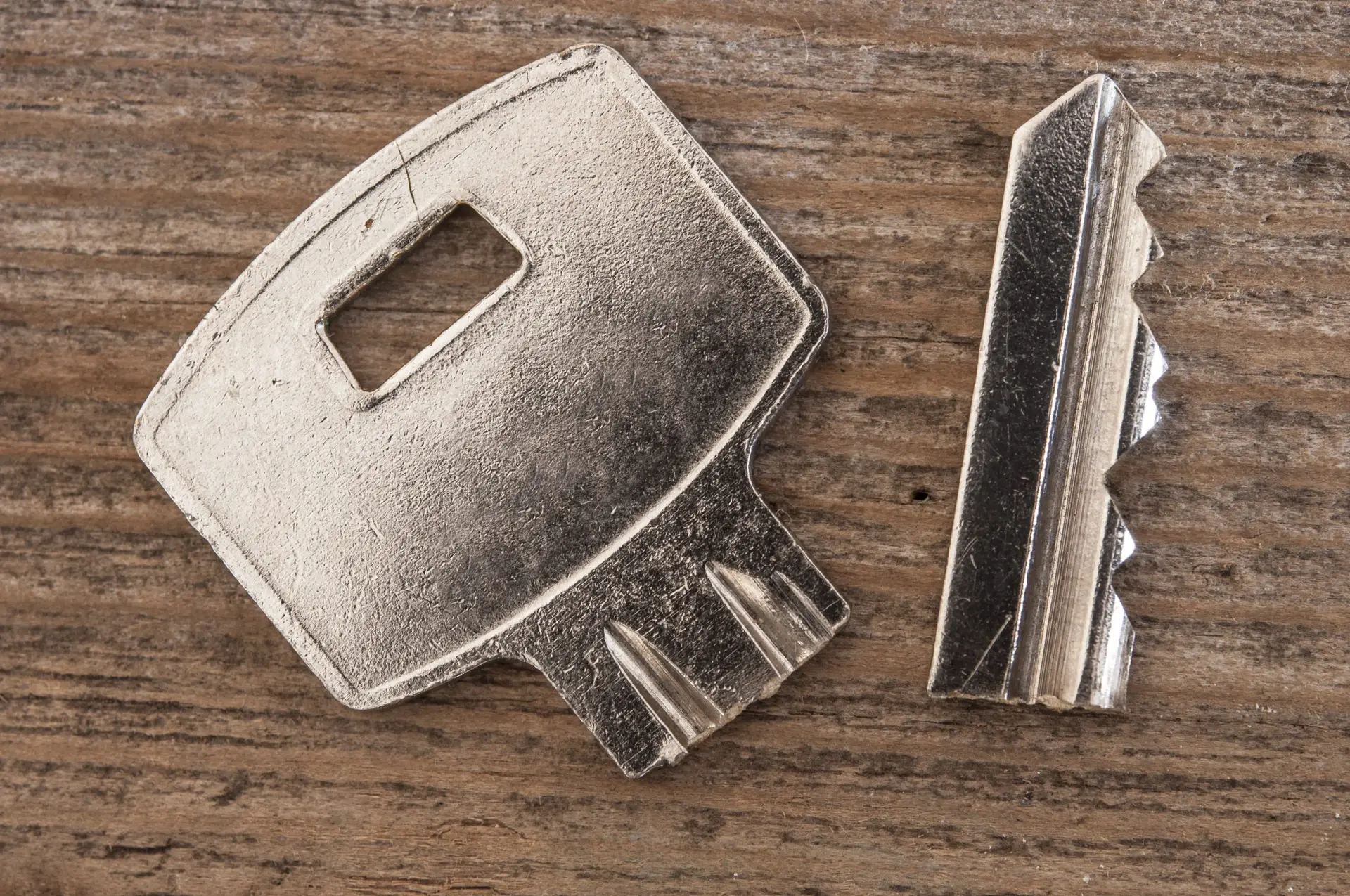
A key snapping inside a lock often feels sudden and frustrating. However, in most cases, the break does not happen randomly. Small signs usually appear earlier but go unnoticed during daily use. Urban Locksmith handles these situations often, and the pattern is clear once you look closely.
Most importantly, understanding why keys break helps prevent the problem before it turns into a lockout. Therefore, knowing the causes and early warning signs can save both time and stress.
The Hidden Wear That Weakens Your Key
Keys may look solid, but they slowly wear down with every use. Over time, small grooves become smoother, and the metal becomes thinner. As a result, the key loses strength without showing obvious damage.
In many cases, people continue using the same key for years without thinking about its condition. However, repeated use combined with pressure inside the lock slowly weakens the structure. Eventually, a small twist or extra force becomes enough to snap it.
If you ever feel your key bending slightly or not turning smoothly, that is often an early sign. In such cases, checking with a professional locksmith service can prevent a sudden break later.
Why Locks Play a Bigger Role Than You Think
Many people assume the key is always the problem. In other words, they replace keys without checking the lock itself. However, the lock is often the real reason behind the break.
Inside the lock, pins and springs can wear out or become misaligned. As a result, the key meets more resistance than usual when turning. This pressure builds up silently until the metal gives in.
Dust, dirt, and lack of lubrication also make things worse. For example, a dry or dirty lock forces the key to work harder every time it turns. Over time, this constant strain weakens the key and leads to snapping.
Regular maintenance and inspection through a trusted locksmith service helps identify these issues early and keeps both the lock and key in good condition.
Cold Weather and Metal Stress
Weather plays a bigger role than many expect. During colder months, metal becomes more brittle. Therefore, keys are more likely to snap under pressure when temperatures drop.
Locks can also freeze or tighten in cold conditions. As a result, turning the key requires more force than usual. Many drivers and homeowners try to force the key when it feels stuck, which increases the risk of breakage.
Even a slight twist in freezing conditions can cause a weakened key to snap instantly. That is why paying attention to how your key feels in winter is important. If resistance increases, it is better to stop and check the issue instead of forcing it.
Small Mistakes That Lead to Big Problems
Sometimes, the cause is not wear or weather but simple habits. For instance, using the wrong key by mistake can damage both the key and the lock. Similarly, using a key as a tool to open packages or tighten screws weakens its structure.
Another common issue is turning the key too aggressively. However, locks are designed for smooth motion, not force. Applying pressure when the key does not turn easily only increases the risk of snapping.
Carrying multiple heavy keys on one keychain can also add stress. Over time, the extra weight pulls on the key while it is inside the lock, especially in ignition systems. As a result, the metal weakens faster than expected.
What Happens When a Key Snaps Inside the Lock
When a key breaks inside a lock, part of it often remains stuck inside. As a result, the lock becomes unusable, and access is blocked completely.
Many people try to remove the broken piece themselves. However, using tools without proper experience can push the fragment deeper into the lock. This makes the situation more complicated and may damage the lock further.
Urban Locksmith deals with these cases carefully to remove the broken key without harming the lock mechanism. In most situations, the process restores access quickly and safely.
That is why calling for help instead of forcing a solution often saves time and prevents additional damage.
How to Prevent Keys from Snapping
Preventing key breakage is often simple once you know what to watch for. Firstly, pay attention to how your key feels when turning. If it starts to stick or requires more force, it is a sign to act early.
Secondly, keep your locks clean and properly maintained. Lubrication helps reduce friction and allows smooth operation. In addition, replacing worn keys before they fail is always a smart decision.
Avoid using keys for anything other than their intended purpose. Likewise, reduce the weight on your keychain to minimize stress on the metal.
Above all, regular inspections by experienced technicians help catch small issues before they turn into emergencies.
FAQs
Why do keys suddenly snap even if they look fine?
Keys often weaken internally from repeated use. Therefore, even if they look normal, small structural damage can build up over time and cause a sudden break.
Can a damaged lock cause a key to break?
Yes, a worn or dirty lock creates extra resistance. As a result, the key experiences more pressure, which increases the chance of snapping.
Is it safe to remove a broken key yourself?
In most cases, no. Trying to remove it without proper tools can push it deeper or damage the lock further.
Does cold weather really affect keys?
Yes, metal becomes more brittle in low temperatures. Therefore, keys are more likely to snap when force is applied in cold conditions.
When should I replace my key before it breaks?
If the key feels loose, bent, or hard to turn, it is time to replace it. Acting early helps avoid sudden lockouts and damage.
You can read more about our services here: Alberta Business Beat, Your Local Biz, Post Of The Day, Canada Biz Portal, The Canada Best, Calgary Best, The Daily Local.

