
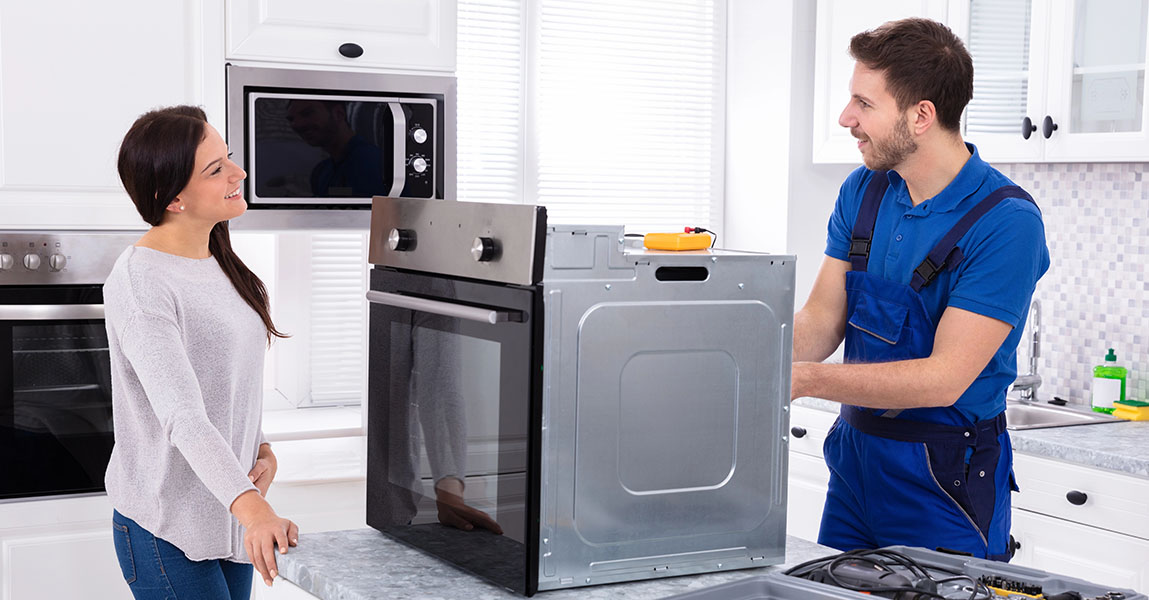
When homeowners notice uneven baking or longer cooking times, they often feel frustrated because the change seems sudden. However, oven temperature issues usually start slowly and grow worse as different components shift from their original condition. JAY Appliances Appliance Repair Leduc helps residents understand these early signs, and we explain why your oven needs timely care. Moreover, you learn how small problems turn into bigger ones when you ignore them.
Common Reasons Your Oven Loses Temperature Accuracy
Oven temperature problems come from several causes, and each one affects performance in a different way. Firstly, heating elements weaken and fail to maintain steady heat, and this issue becomes worse as the oven ages. Secondly, sensors lose accuracy because they gather buildup or experience natural wear. In other words, your oven works harder but produces weaker results. Further, wiring problems interrupt consistent power flow, which disrupts temperature stability. Above all, these issues need fast action so meals cook evenly and safely.
How Worn Heating Elements Cause Fluctuations
Heating elements provide direct heat, and they wear down from years of repeated high temperatures. As a result, they respond slowly or fail to reach the correct temperature in time. You might notice food cooking faster on one side, and this imbalance shows that the element no longer produces full heat. Additionally, poor element performance forces the oven to cycle more often, and this constant cycling increases energy use. After that, you may smell odd odors because weakened elements heat unevenly. Most importantly, this situation never improves without replacement.
Why Temperature Sensors Become Less Accurate
Temperature sensors communicate with the control board, and they guide your oven to heat properly. Over time, grease, spills, or long-term heat exposure affect these sensors. Consequently, the reading becomes inaccurate and the oven makes wrong adjustments. For example, you might set the oven to 350°F, but the internal temperature rises too high or stays too low. Likewise, you may see food burning faster even with the same settings. To clarify, inaccurate sensors disrupt the entire cooking cycle. Therefore, you need a technician to inspect and calibrate the system correctly.
How Poor Electrical Connections Affect Oven Performance
Loose connections, worn wires, and aging control boards interrupt proper electrical flow. During normal cooking, the oven relies on stable power, and any interruption causes uneven heating. Moreover, these problems become more noticeable when the oven cycles between temperature levels. Subsequently, the oven fails to maintain consistent heat and creates unpredictable cooking times. On the other hand, quick inspection and repair stop these issues before they damage additional components. Certainly, electrical problems require professional attention because they involve safety risks.
When Your Oven Needs Professional Help
Some homeowners try quick fixes, but inconsistent temperatures usually point to deeper issues. JAY Appliances Appliance Repair Leduc provides complete diagnosis so every part receives proper attention. Additionally, our trained team handles element replacement, sensor calibration, wiring repair, and control board troubleshooting. Furthermore, ignoring these problems leads to longer cook times, burnt meals, or complete oven failure. In other words, early repairs save money. If you want reliable Oven Repair Leduc service, visit the dedicated page on our site at
.
If you want to schedule a service appointment, feel free to contact us, and use the phrase to reach our team through the contact page.
.
How Maintenance Prevents Temperature Problems
Homeowners protect their oven by adding simple care steps throughout the year. Firstly, cleaning spills prevents buildup on sensors and interior surfaces. Secondly, inspecting door seals ensures heat stays inside the oven. Likewise, checking racks helps maintain proper distance between food and heating elements. During deep cleaning, pay attention to visible wear on elements, and schedule a technician visit if you notice unusual discoloration. After that, try monitoring oven temperature with a standalone thermometer to confirm accuracy. Most importantly, routine attention avoids sudden performance issues.
Why Early Repairs Improve Long-Term Performance
Small oven problems might seem harmless at first, but they strain internal components. For example, a weak element forces the sensor and control board to work harder as they try to reach the correct temperature. Similarly, a dirty sensor pushes the oven into repeated cycles that create unnecessary stress. Consequently, early repairs reduce strain on the system and extend the oven’s lifespan. Further, your oven consumes less power when it works correctly. To sum up, prompt service supports efficient cooking, lower energy costs, and safer operation.
FAQ
What are the most common signs of temperature inconsistency
Uneven baking, slow preheating, and burned edges show early signs of heat imbalance. Food may cook faster on one side, or recipes may need extra time.
Why does my oven heat too slowly
Weak heating elements or inaccurate sensors often cause slow heating. These parts lose strength over time, and they need inspection.
Can I use my oven if the temperature seems off
You can still cook, but results become unpredictable. Meals may burn or stay undercooked because the oven cannot maintain stable heat.
How often should an oven be serviced
A yearly inspection helps prevent major failures. Regular checks catch sensor wear, element issues, and wiring problems early.
When should I contact a technician
If your oven shows repeated temperature swings, long cook times, or uneven results, schedule service immediately so a professional can diagnose the cause.

