
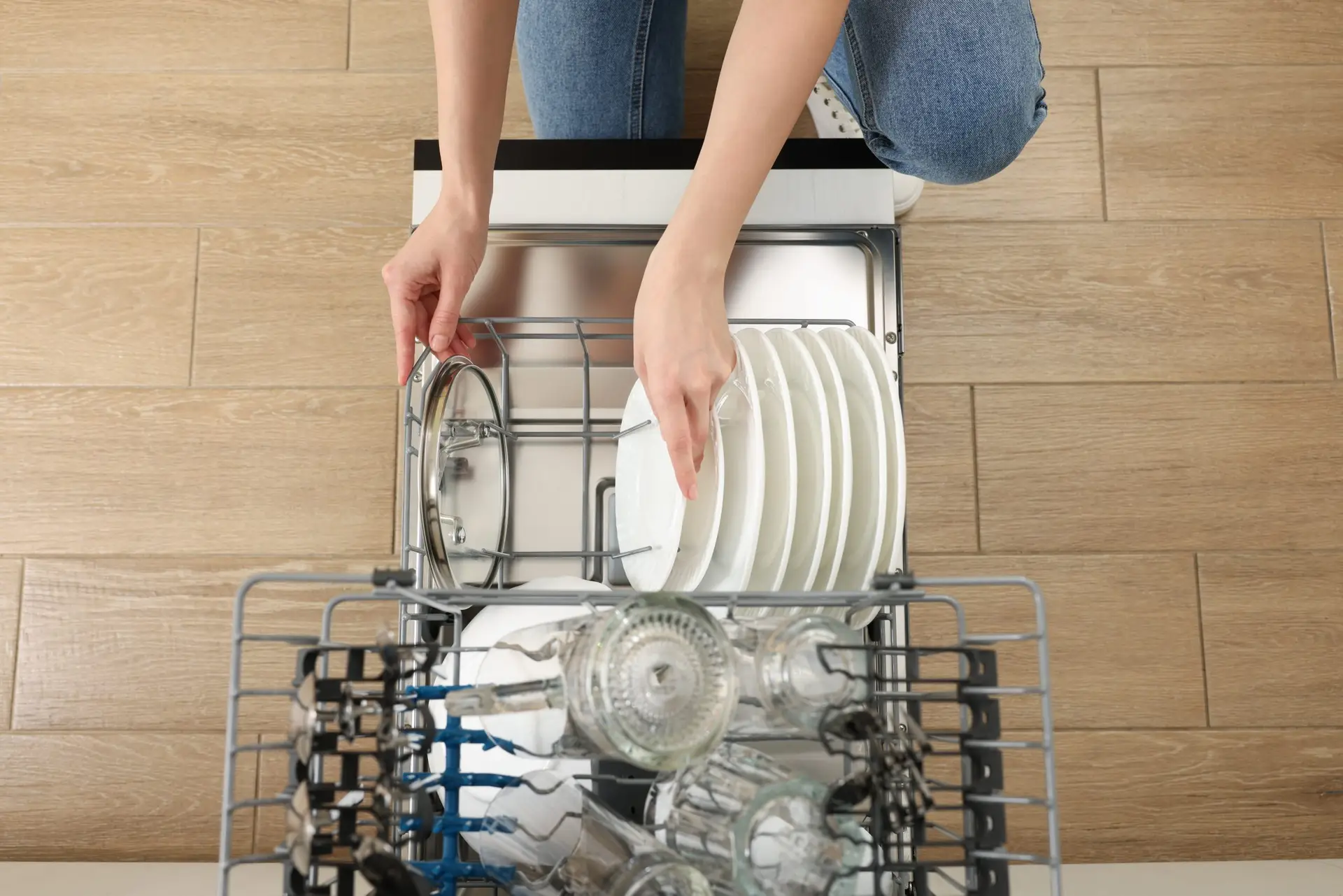
When we open our dishwashers, we expect to see sparkling plates and clear glasses. However, it is very frustrating to find food particles or cloudy spots on everything instead. Dealing with a dishwasher that leaves dishes dirty is a common headache for many homeowners. Fortunately, our professional technicians often find that the solution is simpler than you might think. We believe that understanding how your appliance works is the first step toward better results. In this guide, our team will walk you through the most effective ways to restore your machine to peak performance.
Start With a Deep Clean of the Filter
The most common reason for poor cleaning results is a clogged filter. Over time, bits of food, grease, and paper labels get trapped in the mesh. This prevents the water from circulating properly during the wash cycle. Furthermore, a dirty filter can actually redeposit old food back onto your clean plates. To fix this, we suggest removing the bottom rack to access the cylindrical filter at the base of the tub.
Once you have the filter out, rinse it under hot running water. You can use a soft brush to gently scrub away any stubborn debris. Our professional technicians recommend doing this at least once a month to ensure your dishwasher continues to operate efficiently. When the filter is clear, the pump can move water with much more force, which helps blast away tough stains. Fast Appliance Repair finds that this simple maintenance task solves nearly half of all cleaning complaints we receive.
Check the Spray Arms for Blockages
If your dishes on the top rack are still dirty but the bottom ones are clean, the spray arms might be the problem. These arms spin and shoot water through tiny holes to reach every corner of the tub. However, minerals from hard water or small seeds can easily plug these openings. When the holes are blocked, the water pressure drops significantly.
We recommend removing the spray arms and checking each nozzle. You can use a toothpick or a small wire to poke out any visible blockages. Additionally, make sure the arms can spin freely without hitting any tall dishes or utensils. If the arms are stuck, the water will only hit one spot, leaving the rest of the load untouched. Our professional technicians often see this simple fix save customers from needing a major repair.
Inspect the Water Inlet Valve
Sometimes the issue is not about cleanliness but about the amount of water entering the machine. The water inlet valve controls the flow of water into the tub. If this valve is faulty or clogged with sediment, the dishwasher will not fill up all the way. Without enough water, the spray arms cannot create the pressure needed to scrub the dishes.
You might notice a humming sound if the valve is struggling to open. While some homeowners feel comfortable checking this themselves, it often requires a bit of technical knowledge. If you suspect a valve issue, our professional team can quickly diagnose and replace the part. Ensuring a steady water supply is vital for getting those dishes spotless again.
Use the Right Detergent and Rinse Aid
Not all cleaning products are created equal, and using the wrong ones can lead to poor results. If you live in an area with hard water, standard detergents might struggle to lather properly. This often leaves a chalky white film on your glassware. Consequently, we suggest switching to a high-quality detergent pod or adding a rinse aid to your routine.
Rinse aid is especially important because it helps the water slide off the dishes rather than pooling and drying into spots. It also assists in the drying process, which prevents bacteria from growing on damp surfaces. If you find that your kitchen ventilation is also struggling with steam or odours, you might want to look into hood fan repair Calgary to keep your air fresh. Using the right supplies makes a world of difference for your appliances.
Load the Dishwasher Correctly
It is very tempting to cram as many plates as possible into one load to save time. However, overcrowding is a major reason why dishwashers fail to clean effectively. When dishes are touching or overlapping, the water spray cannot reach every surface. We call this “nesting,” and it happens most often with spoons and bowls.
To get the best clean, make sure there is plenty of space between items. Face the dirtier side of the plates toward the centre of the machine where the spray is strongest. Also, avoid placing large platters or cutting boards near the door, as they can block the detergent dispenser from opening. Fast Appliance Repair suggests following the loading map in your owner’s manual for the best results.
Check the Water Temperature
For detergent to work correctly, the water must be hot enough to melt fats and activate cleaning agents. Most cycles require the water to be at least 120 degrees Fahrenheit. If your water heater is set too low, the dishwasher will struggle to break down grease. You can test this by running the kitchen faucet until the water is hot before starting your wash cycle.
This simple trick ensures that the machine starts with hot water immediately rather than wasting the first few minutes with cold water from the pipes. If the water still feels lukewarm, there might be an issue with the internal heating element of the appliance. Our professional technicians are always ready to help if you find that your machine is no longer heating up.
Clean the Door Gasket and Interior
Finally, do not forget to wipe down the rubber seal around the door. Over time, slime and mould can build up in the folds of the gasket. This not only causes bad smells but can also prevent the door from sealing tightly. We recommend using a damp cloth and mild soap to clean the seal and the edges of the tub.
A clean interior environment leads to cleaner dishes. If the tub looks stained or smells musty, you can run a cleaning cycle with a cup of white vinegar placed in the top rack. This helps dissolve mineral deposits and refreshes the whole machine. Fast Appliance Repair takes pride in helping our neighbours keep their kitchens running smoothly. If these steps do not solve the problem, please feel free to reach out to us for more information.
FAQ
Why does my dishwasher smell like old food? This is usually caused by a dirty filter or food trapped in the door seal. We recommend cleaning the filter and running a cycle with a dishwasher cleaner or vinegar to eliminate odours.
How often should I clean my dishwasher filter? For the best results, you should rinse your filter at least once a month. If you do not pre-rinse your dishes, you might need to clean it every two weeks.
Why are my glasses coming out cloudy? Cloudy glass is often caused by hard water minerals or using too much detergent. Using a rinse aid and checking your water hardness can usually fix this issue.
Is it necessary to pre-rinse dishes before putting them in? Most modern machines and detergents are designed to scrub off food. You should scrape off large chunks, but a total pre-rinse is usually not necessary and can actually make the detergent less effective.
What should I do if my dishwasher is not draining? Check for a clog in the drain hose or the kitchen sink’s garburator. If the drain is clear and it still won’t empty, there may be a problem with the drain pump that requires professional attention.
Our team at Fast Appliance Repair is always ready to help you with any appliance concerns. If your machine still leaves your plates messy after these tips, call us for more information.

