
If you wake up with a sore jaw, tight temples, or a dull headache that seems to start right behind your ears, you may be dealing with TMJ dysfunction. Temporomandibular joint (TMJ) issues are far more common than most people realize, and they rarely stay confined to the jaw. Clenching and grinding at night, chronic stress, poor posture, and old injuries can all create a pattern of tension that radiates from the jaw into the neck, shoulders, and head.
At Osteo Health Calgary, acupuncture is one of the most requested treatments for TMJ-related symptoms, and for good reason. Traditional approaches to jaw pain often focus narrowly on the joint itself, but the muscles that control the jaw are part of a much larger tension chain that includes the neck, the base of the skull, and even the shoulders. When one part of that chain becomes overactive, the rest tends to follow.
How TMJ Acupuncture Works
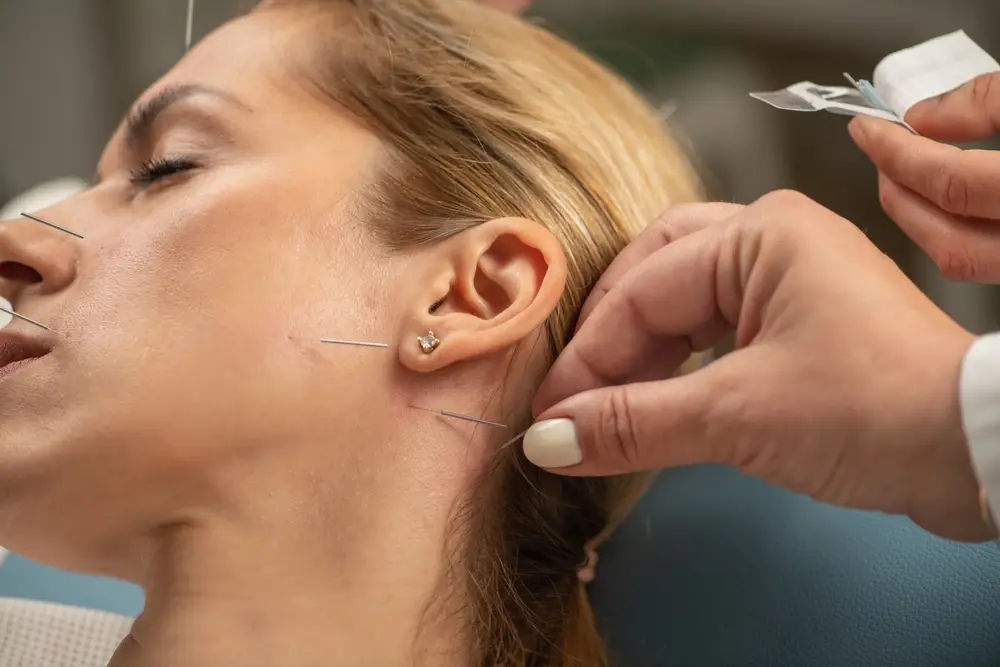
Acupuncture for TMJ typically targets specific points around the jaw, temples, and neck to help calm overactive chewing muscles like the masseter and temporalis. Fine needles are used to encourage local circulation, reduce muscle guarding, and support the nervous system in shifting out of a “tension” state. Many people describe the sensation as a deep, releasing pressure rather than pain, and it is common to feel noticeably looser in the jaw and neck by the end of a session.
Common symptoms that respond well to TMJ acupuncture include:
- Jaw pain or tightness, especially in the morning
- Clicking or popping in the jaw joint
- Teeth grinding and clenching
- Tension headaches that start at the temples
- Neck and shoulder tightness
- Facial pressure or aching
Why the Whole-Body Approach Matters
One of the reasons clients choose Osteo Health for TMJ acupuncture is the clinic’s integrated philosophy. Rather than treating the jaw as an isolated problem, practitioners look at posture, stress levels, sleep habits, and surrounding musculature. Acupuncture is often paired with manual osteopathy, myofascial release, or craniosacral therapy to address the full tension pattern rather than just the symptom.
This matters because clenching and grinding are frequently stress-driven. If the nervous system stays in a heightened state, the jaw muscles will keep tightening even after a single treatment. That’s why a short course of care, rather than a single visit, tends to produce more lasting results. A typical plan might begin with weekly sessions to calm the acute pattern, followed by less frequent maintenance visits as symptoms settle.
What a Session Feels Like
Your first appointment will start with a discussion of your symptoms, your sleep and stress patterns, and any history of injury or dental work. From there, your practitioner will build a treatment plan specific to you. There is no generic TMJ protocol here — everyone holds tension differently, and treatment reflects that.
Needles used in acupuncture are extremely fine, far thinner than what you would experience with an injection. Most people feel little more than a light pressure or warmth, and many find the overall experience calming rather than uncomfortable.
Who This Is For
TMJ acupuncture may be a good fit if you:
- Wake up with a sore or tight jaw
- Grind or clench your teeth at night
- Get frequent tension headaches
- Notice jaw clicking, popping, or restricted opening
- Carry stress in your neck, shoulders, or face
It’s worth noting that TMJ symptoms can have several contributing causes, so an assessment is the best starting point. A practitioner can help determine whether acupuncture alone, or a combination with osteopathy or massage therapy, is the right path for your specific pattern.
Getting Started
If jaw tension, clenching, or tension headaches have been affecting your daily life, it may be time to explore a more targeted approach. You can read more about the full range of acupuncture services offered, including TMJ-specific care, on the Acupuncture Treatment page at Osteo Health Calgary.
Ready to book your first session? Appointments with the clinic’s acupuncture team can be scheduled directly online through the Osteo Health booking system, with flexible hours Monday through Saturday. Many extended health plans include acupuncture coverage, so it’s worth checking your benefits before your visit.
Jaw tension doesn’t have to be something you just live with. With a personalized plan that looks at the whole tension chain — not just the jaw — lasting relief is often within reach.
FAQ
Does TMJ acupuncture hurt? No. Needles are extremely thin, and most people feel only mild pressure, warmth, or a relaxing sensation during treatment.
How many sessions are needed for TMJ relief? Most plans start with 4–6 weekly sessions, then shift to maintenance visits depending on your symptoms and response.
Can acupuncture stop teeth grinding? It can’t guarantee this, but relaxing jaw and facial muscles may reduce clenching intensity, especially when stress-related tension is involved.
Is TMJ acupuncture combined with other treatments? Yes, it’s often paired with manual osteopathy, myofascial release, or craniosacral therapy for a more complete tension-relief approach.
Will TMJ acupuncture help my headaches too? Often, yes. Since jaw and neck tension frequently overlap, treating one area can reduce related tension headache symptoms as well.

