
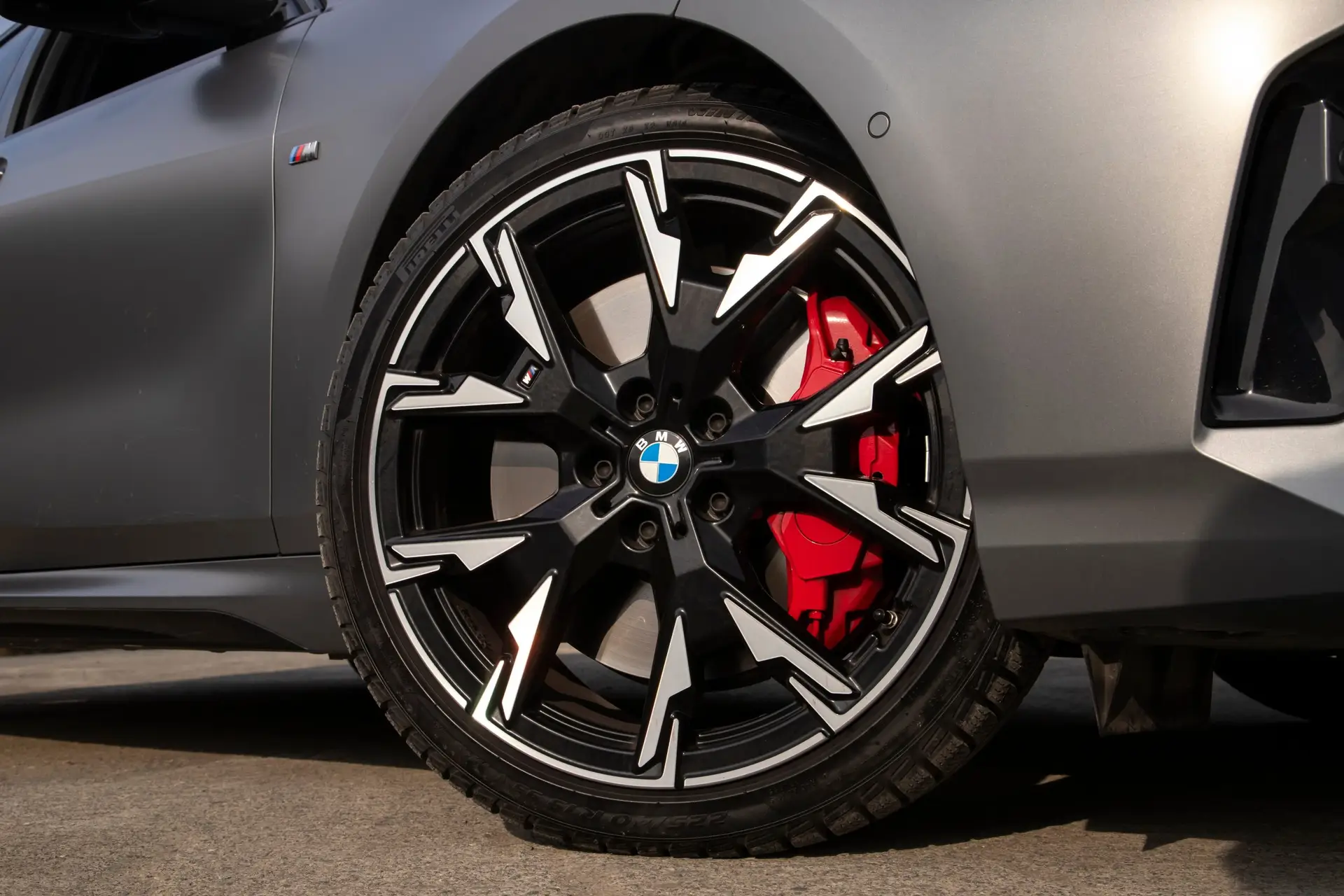
German vehicles are known for strong performance, responsive handling, and advanced braking systems. However, even high quality brake components wear down over time. Therefore, paying attention to early warning signs can help drivers avoid larger repair bills and unsafe driving conditions. At German Automotive Repair, we often inspect brake systems after drivers notice unusual sounds, weak stopping power, or dashboard warning lights.
Brake problems rarely appear without warning. In many cases, small changes in braking feel or vehicle response develop slowly. As a result, many drivers continue using the vehicle until the issue becomes serious. Regular inspections and proper maintenance help keep braking systems reliable during Calgary driving conditions.
Common Brake Noises That Signal Trouble
One of the first brake problems drivers notice is unusual noise. For example, squealing sounds often happen when brake pads become thin and wear indicators contact the rotor surface. In some cases, grinding sounds appear when brake pads wear down completely and metal contacts metal.
Ignoring these sounds can damage rotors, calipers, and other important components. Consequently, what starts as a simple brake pad replacement may become a larger repair involving several parts. German Automotive Repair regularly checks brake wear patterns to identify problems before they spread through the system.
Some German vehicles also use electronic brake sensors that trigger dashboard alerts. However, drivers should not rely only on warning lights. Physical symptoms like vibration, noise, or pulling during braking should always be inspected quickly.
Soft Brake Pedals and Delayed Stopping Response
Brake pedal feel often changes before a major brake failure happens. For instance, a soft or spongy pedal may indicate air inside the brake lines or low brake fluid levels. Likewise, delayed stopping response can point to worn pads, leaking hydraulic components, or failing master cylinders.
Modern German braking systems depend on proper hydraulic pressure for accurate braking performance. Therefore, even a small leak can affect stopping distance and pedal response. Drivers sometimes notice the pedal sinking lower than normal while stopping at traffic lights or during heavy braking.
Routine inspections through car servicing and maintenance help identify these issues early. In addition, technicians can test fluid condition, brake line pressure, and overall braking balance before safety becomes a concern.
Vibrations While Braking Should Not Be Ignored
Steering wheel vibration or brake pedal pulsing often points to uneven rotor surfaces. For example, overheated or warped rotors can create inconsistent contact between the brake pad and rotor. As a result, drivers may feel shaking during moderate or hard braking.
Calgary weather conditions and frequent stop and go traffic can increase brake heat buildup. Similarly, aggressive braking habits may shorten rotor life on performance oriented German vehicles. German Automotive Repair carefully measures rotor thickness and checks for heat damage during inspections.
Some drivers confuse brake vibration with tire or suspension problems. However, braking related vibration usually becomes more noticeable only when the brake pedal is pressed. In many cases, combining brake inspections with steering and tire service Calgary helps identify handling and braking problems together.
Burning Smells and Brake Fluid Leaks
A strong burning smell after driving may indicate overheated brakes. For instance, sticking calipers can keep brake pads pressed against the rotors even when the pedal is released. Consequently, excessive heat builds up quickly and damages nearby components.
Brake fluid leaks are another serious issue drivers should never overlook. Brake fluid plays a major role in hydraulic pressure and safe stopping ability. Therefore, leaking fluid can reduce braking performance very quickly.
Drivers may notice fluid spots near wheels or underneath the vehicle after parking. Likewise, low brake fluid warnings may appear on the dashboard. German Automotive Repair checks hoses, brake lines, calipers, and master cylinders during brake inspections to locate leaks accurately.
Ignoring these signs may eventually lead to complete brake failure. As a result, immediate inspection is always recommended whenever leaks or strong brake odors appear.
Uneven Braking and Pulling During Stops
When a vehicle pulls to one side during braking, the braking force may not be evenly distributed. For example, sticking calipers, uneven brake pad wear, or contaminated rotors can create imbalance between wheels.
German vehicles are designed for precise handling and controlled braking response. Therefore, even small brake imbalances often become noticeable during everyday driving. Drivers may also experience uneven tire wear when brake issues continue for long periods.
German Automotive Repair frequently inspects brake hardware, rotor surfaces, and caliper movement to correct uneven braking conditions. In addition, wheel alignment and suspension condition may also affect braking stability.
Early diagnosis helps prevent additional wear on tires and suspension components. Most importantly, balanced braking improves driver control during sudden stops and emergency situations.
Dashboard Brake Warnings Require Fast Attention
Modern German vehicles use advanced sensors and onboard diagnostic systems to monitor brake performance. For example, brake wear sensors, ABS systems, and electronic stability controls continuously monitor braking conditions.
When warning lights appear, the vehicle may already detect abnormal brake performance. Consequently, drivers should avoid delaying inspections after dashboard alerts appear. Some warning lights indicate low brake fluid, while others relate to ABS sensors or electronic braking assistance systems.
German Automotive Repair uses specialized diagnostic tools to scan brake related fault codes accurately. Therefore, technicians can identify electronic brake problems that may not show obvious physical symptoms during driving.
Even when braking still feels normal, warning lights should never be ignored. Electronic safety systems are designed to prevent accidents and maintain braking control during difficult road conditions.
FAQs
How often should brake systems be inspected on German vehicles?
Brake systems should generally be inspected during regular maintenance visits or every 15,000 to 20,000 kilometers. However, driving habits, road conditions, and vehicle type may require more frequent inspections.
Why do my brakes squeal only in the morning?
Morning brake squeal can happen because of moisture buildup on rotor surfaces overnight. However, repeated squealing throughout the day may indicate worn brake pads or uneven rotor wear.
Can worn tires affect braking performance?
Yes, worn tires reduce traction and increase stopping distance. Therefore, proper tire condition works together with healthy brakes for safe vehicle control.
Is brake fluid replacement really necessary?
Brake fluid absorbs moisture over time, which lowers braking efficiency and increases corrosion risk inside hydraulic components. Regular brake fluid replacement helps maintain proper braking response.
What happens if brake pads wear completely down?
Completely worn brake pads allow metal parts to grind directly against the rotors. Consequently, this can severely damage rotors, calipers, and other braking components while reducing stopping ability.

