
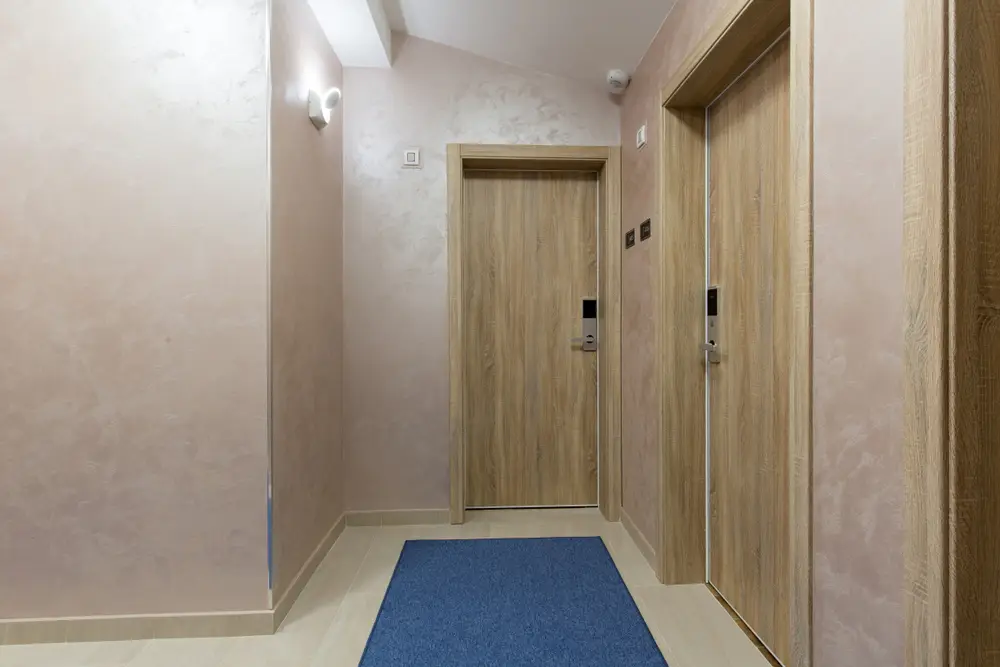
For a landlord, turnover day is a scramble of cleaning, inspections, and paperwork. Somewhere on that list, often near the bottom, sits the question of keys, and it deserves to move up. Every tenant who has ever held a key to a unit could, in theory, still have a copy. Hardware stores rarely ask questions when someone cuts a spare. So the real security question between renters is not whether the old tenant returned their keys, but whether anyone else is still holding one.
Your Key Maker Kanata works with local property owners on exactly this problem, and the owners who treat key control as part of every turnover avoid the awkward, and sometimes serious, situations that follow when they do not.
Why Returned Keys Are Not Enough
A tenant can hand back every key you issued and still have left copies with a partner, a roommate, a cleaner, a dog walker, or a friend. None of that is necessarily malicious; people make spares for convenience and forget them. But it means the set you receive at move-out tells you nothing about how many keys actually exist for that door.
The only way to know with certainty that the new tenant holds the only working keys is to change which key opens the lock. That is the entire purpose of rekeying.
Rekeying Versus Replacing the Lock
Landlords often assume securing a unit means buying new locks for every turnover, which adds up across a portfolio. In most cases it is unnecessary.
What Rekeying Actually Does
Rekeying changes the internal pins of the existing lock so that old keys no longer work and a new key does. The lock hardware you already own stays on the door; only the key that operates it changes. For a unit between tenants, this is usually faster and less disruptive than full replacement while delivering the same essential result: every previously cut key is now useless.
When Replacement Makes More Sense
Full lock replacement earns its place when the existing hardware is worn, damaged, outdated, or when you want to upgrade security grade. If a deadbolt is loose, sticking, or simply old, swapping it during an empty unit is efficient timing. A locksmith can advise which doors warrant rekeying and which are due for new hardware during the same visit, which is where professional lock rekeying in Kanata pays off.
Timing It Around the Turnover
The cleanest moment to rekey is after the previous tenant has fully vacated and before the new one moves in, while the unit is empty and accessible. Building it into your standard turnover checklist, alongside cleaning and inspection, means it never gets forgotten in the rush.
For owners managing several units or a multi-unit building, this is also the right time to think about key organization overall. A thoughtful setup can let you keep a master key for yourself while each unit has its own distinct tenant key, simplifying access for maintenance without compromising any tenant’s security. That broader planning is part of what a residential locksmith in Kanata can map out for a portfolio rather than one door at a time.
The Risk of Skipping It
Treating rekeying as optional is a gamble with uneven odds. Most of the time nothing happens. But if a unit is entered using an old key, the consequences range from disputes over belongings to genuine safety concerns for the new tenant, and a landlord who skipped a basic, well-known precaution is in a difficult position. Rekeying between tenants is widely regarded as part of a landlord’s reasonable duty of care, and it is far less trouble than the fallout from an incident.
Making It Routine
The landlords who never think about this again are the ones who systematize it. Rekey every unit at every turnover, keep clear records of which keys were issued and how many, and build a relationship with a locksmith who knows your properties. Your Key Maker Kanata handles turnover rekeying for local owners so it becomes a quick, predictable line item rather than an afterthought. Pricing is always provided as a quote after the units and door count are assessed.
Frequently Asked Questions
Do I legally have to rekey between tenants in Kanata?
Requirements vary and this is not legal advice, but rekeying between tenants is widely treated as part of a landlord’s reasonable duty to provide secure premises. It also protects you if a security dispute ever arises.
Is rekeying simpler than replacing the lock?
In most cases rekeying is the more efficient option because it reuses your existing hardware and only changes the internal pins. Replacement makes sense mainly when the lock is worn, damaged, or being upgraded.
How long does it take to rekey a unit?
A standard unit is typically a quick job, especially when the space is empty between tenants. Timing depends on the number of doors and the type of locks involved.
Can I keep one key that opens all my units?
Yes. A locksmith can set up a master key arrangement so you retain convenient access while each tenant has a unique key that works only on their own unit.
What if the previous tenant says they returned every key?
Returned keys do not account for copies made elsewhere. Rekeying is the only way to guarantee that previously cut keys no longer open the door, regardless of how many were made.

