
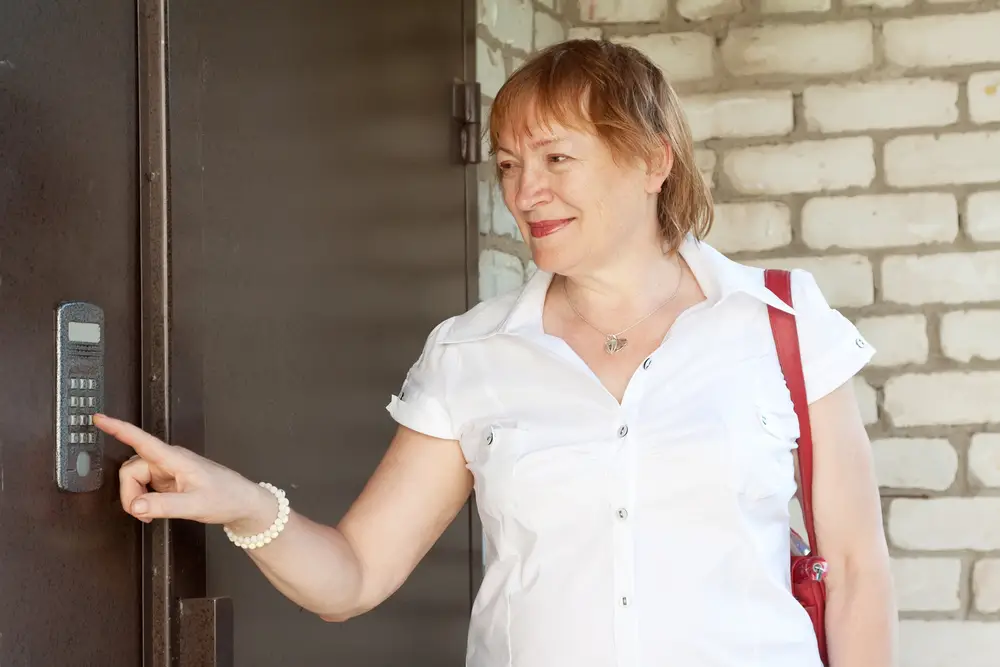
Caring for an aging parent often comes down to small, recurring logistics, and the front door is one of them. A loved one who fumbles with keys, forgets whether they locked up, or cannot get to the door to let in a nurse or a family member creates daily stress for everyone. For the adult children and caregivers managing this from across town or across the country, keyless entry solves a very specific set of problems. Key Fox Locksmith helps Ottawa families choose and install the right setup, and this guide explains where smart locks genuinely help and what to think through before you buy.
The Everyday Problems Keyless Entry Solves
The case for a smart lock in a senior’s home is practical rather than flashy. It is about removing friction from the moments that cause falls, lockouts, and anxiety.
No More Fumbling With Keys
Arthritis, reduced grip strength, and failing eyesight make turning a small key in a cold outdoor lock genuinely difficult. A keypad or fob removes the fine-motor challenge, and there is no key to drop in the snow while standing on a step. For many older adults this alone is the deciding factor.
Letting Caregivers In Without Handing Out Keys
Home-care aides, visiting nurses, cleaners, and family members often need to come and go. Rather than cutting a stack of keys that can be lost or copied, a keyless system lets you issue individual codes. You know who has access, and you can change a code the moment a care arrangement changes. A smart lock installation sets this up properly so the hardware suits the door and the household rather than being a gadget that gets abandoned.
Peace of Mind From a Distance
Many keyless systems let a family member check whether the door is locked and, depending on the setup, see when it was opened. For an adult child managing care remotely, being able to confirm a parent is secured for the night, or that the morning aide actually arrived, removes a real source of worry.
Choosing a Setup That Suits an Older Adult
Not every smart lock fits every person or every door. The best choice balances simplicity against features, and that balance tips toward simplicity for most seniors.
Keep the Interface Simple
A giant, high-contrast keypad with a short code is far more usable than an app-only lock that demands a smartphone and good eyesight. The goal is a system your parent can operate without help, not one that impresses visitors. A physical key override is worth keeping as a backup for the day the battery or the technology has a problem.
Mind the Batteries
Keyless locks run on batteries, and a dead battery at the wrong moment is its own kind of lockout. Choose hardware with clear low-battery warnings, establish a simple routine for changing them, and keep the mechanical backup accessible to a trusted person. This is one of the most common issues families overlook until it causes a problem.
Match the Lock to the Door
An existing door, its thickness, and its current bore all affect which locks will fit and function reliably through Ottawa winters. Professional assessment and fitting matter here, because a lock that is forced onto an ill-suited door tends to misalign and fail. The home’s broader residential locksmith needs, such as rekeying other doors or adding compatible hardware elsewhere, are worth sorting out at the same time so the whole house works as one system.
Making the Transition Smooth
Introduce the new lock gradually. Walk your parent through the keypad several times, write the routine down in large print, and keep the mechanical key with a trusted neighbor or nearby relative during the first weeks. The aim is confidence, not a feature list. Key Fox Locksmith can advise on options that prioritize ease of use and reliability over novelty, so the lock becomes something your family stops thinking about because it simply works.
Frequently Asked Questions
Are smart locks actually easier for seniors than keys?
For many, yes. A keypad removes the fine-motor challenge of turning a small key and the risk of dropping or losing one, which matters for anyone with reduced grip, dexterity, or eyesight.
What happens if the battery dies?
That is why a mechanical key override and a low-battery warning matter. Keep a backup key with a trusted person and set a routine for battery changes so a dead battery never becomes a lockout.
Can I give a caregiver access without giving them a key?
Yes. Keyless systems let you issue individual access codes for aides, nurses, and family, and change or remove a code when a care arrangement changes, so you always know who can enter.
Can I check from a distance whether the door is locked?
Depending on the system chosen, many smart locks let a family member confirm the door is locked and see when it was opened, which is reassuring for anyone managing care remotely.
Will a smart lock fit my parent’s existing door?
Often, but door thickness and the existing hardware determine which locks work reliably, especially through Ottawa winters. Key Fox Locksmith can assess the door and recommend a lock that fits and holds up rather than one that misaligns over time.

