
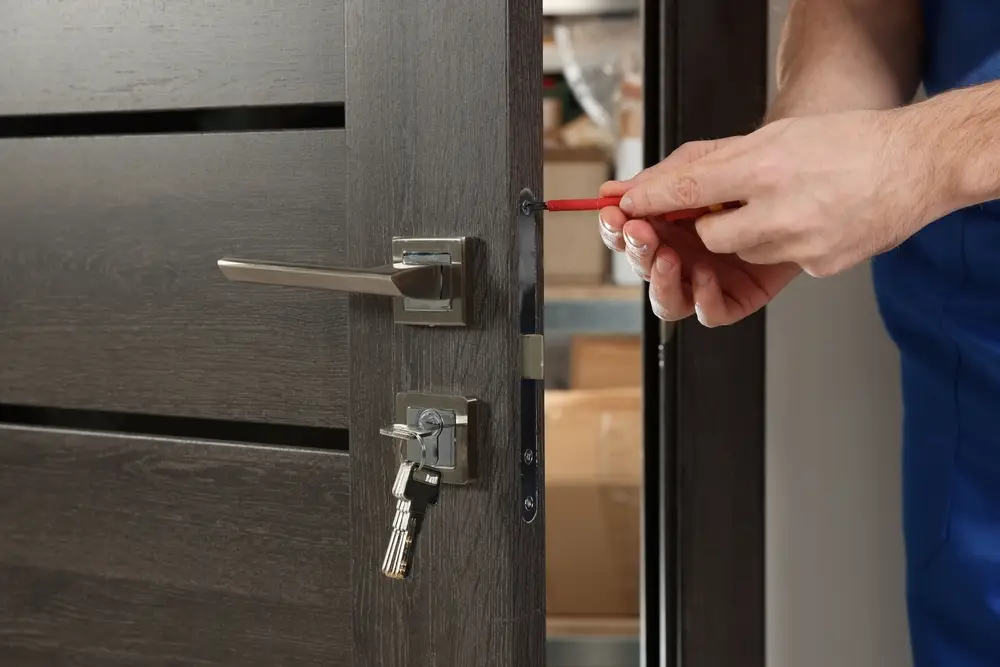
A locksmith gets access to the one thing standing between the street and everything you own. That makes choosing the right one a security decision, not just a quick search-and-call. Yet most people only hire a locksmith in a crisis, when they are standing on a cold porch or beside a car that will not open, and the pressure to pick whoever answers first is enormous. That is exactly when poor choices happen. This guide walks through how to tell a dependable Ottawa locksmith from an operator you should keep looking past, so you are ready before the moment you actually need one.
At Locksmith On Time, we field a lot of calls from people who were burned by a previous experience, so the questions below are the ones we wish every homeowner asked up front.
Start With a Real Local Identity
The first signal is whether the business exists as a genuine local presence. A trustworthy locksmith has a consistent company name, a working phone number, and a verifiable base of operations in the region they claim to serve. Vague listings that only show "locksmith near me" with a rotating set of numbers are a known red flag across the industry.
Before you book anything, look for a company you can actually place. Being able to see who stands behind the work and read how long they have served the area tells you far more than a flashy ad. If the only contact option is a generic call centre that will not name the technician or the company, treat that as a reason to keep looking.
Confirm the Service Area Matches Your Location
Ottawa is spread across neighbourhoods like Barrhaven, Nepean, Kanata, Orleans, Gloucester and Stittsville, plus surrounding communities such as Manotick, Kemptville, Rockland, Russell and Embrun. A legitimate local provider will state the areas it covers and give you a realistic arrival window for yours. A dispatcher who cannot tell you where the technician is coming from, or who promises an impossibly fast time to win the booking, is often not local at all.
Ask the Questions That Separate Pros From Pretenders
A short conversation reveals a lot. When you call, you want a company that happily answers rather than dodges. Good questions include:
- What is the company’s full legal name, and who will be arriving?
- Will I get a written quote after the technician assesses the situation?
- Do you provide a clear description of the work before starting?
- What vehicles and identification should I expect to see?
The last point matters. A professional typically arrives in a marked vehicle and can identify themselves and the company. Someone who shows up in an unmarked car with no company identification, then quotes a figure that has nothing to do with what was discussed on the phone, is the classic pattern consumer-protection agencies warn about.
Watch for the "Drill Everything" Reflex
One of the clearest technical tells is how a locksmith approaches a lockout. Most residential and automotive lockouts can be solved without destroying the lock. A technician whose first and only answer is to drill out your cylinder, when non-destructive entry was possible, is either underskilled or padding the job. A skilled locksmith reaches for destructive methods only when the hardware genuinely requires it, and explains why.
Insist on a Quote Before the Work Begins
Unexpected charges are where most locksmith complaints originate, so the single most protective habit you can build is simple: get the quote in writing after an assessment, before any work starts. A reputable company will evaluate the lock or vehicle, then give you a clear quote to approve. If a number balloons the moment the technician arrives, or if you are pressured to agree before anything is written down, stop and reconsider.
Locksmith On Time handles this the straightforward way, providing a quote after assessing the situation so there are no surprises once the job is done. You should expect that standard from anyone you hire.
Match the Specialist to the Job
Locksmithing is broader than most people realize, and the right provider depends on what you need. Home lock changes, rekeys and hardware upgrades call for a local residential locksmith you can actually reach. Car keys, fobs and ignition issues need automotive expertise and the right programming tools. Businesses often need master-key planning and commercial-grade hardware. A generalist who claims to do everything but cannot speak specifically to your situation is less reassuring than one who clearly knows the category.
Keep a Vetted Locksmith on Hand Before the Emergency
The best time to choose a locksmith is a quiet afternoon, not 2 a.m. in a snowstorm. Save the contact details of a provider you have vetted so that when something does go wrong, you are calling a known quantity instead of gambling on a search result. It takes only a moment to reach a real person before you book and ask how they work, and it can save you a great deal of stress later.
Frequently Asked Questions
How can I tell if a locksmith in Ottawa is legitimate?
Look for a consistent company name, a verifiable local presence, a technician who identifies themselves, and a written quote provided after assessment. Be cautious of listings that only show a generic number with no real company behind it.
Should a locksmith give me a quote over the phone?
A rough phone figure can be a starting point, but what matters is the written quote you receive after the technician assesses the lock or vehicle in person. Firm demands to commit before anything is written down are a warning sign.
Is drilling the lock normal during a lockout?
Usually not. Many lockouts can be resolved without damaging the lock. Drilling is a last resort for specific hardware, and a good locksmith will explain why it is necessary before doing it.
Why keep a locksmith’s number before I need one?
Emergencies push you to hire whoever answers first, which is when bad choices happen. Having a vetted provider saved in advance means you are calling someone you already trust rather than taking a chance under pressure.

